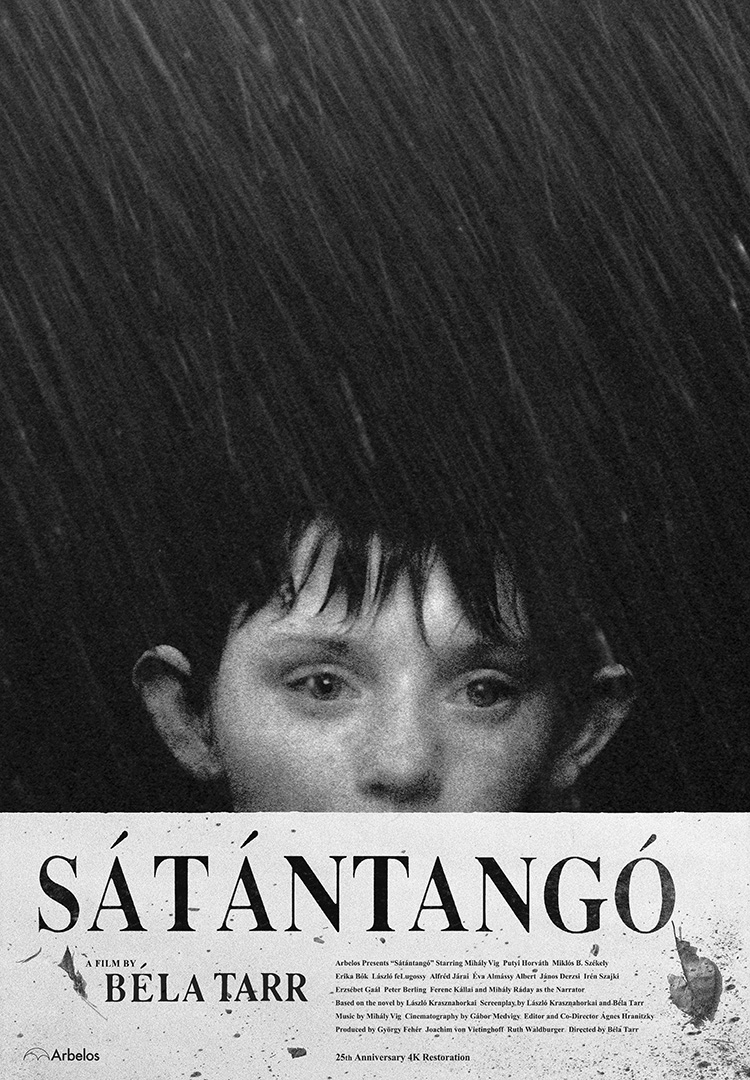
Sátántangó
This recurring cycle is an opportunity to watch or re-watch classics from cinema history, or films representative of certain national cinematographies, trends or eras, on the big screen.
The film will be screen in its entirety.
There will be a 15-minute intermission between parts I and II, and a 30-minute intermission between parts II and III.
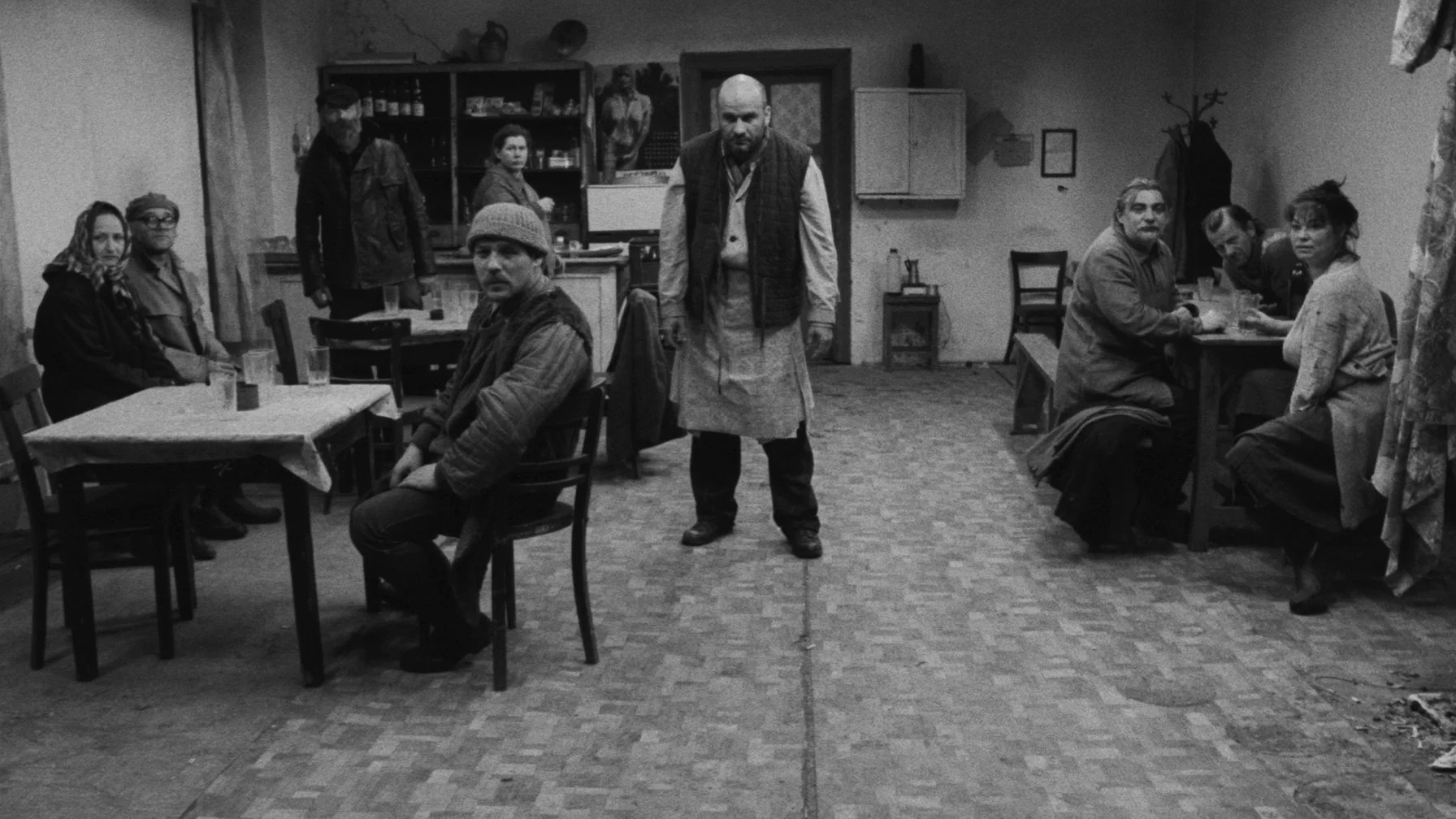
One of the greatest achievements in recent art house cinema and a seminal work of “slow cinema,” Sátántangó, based on the book by László Krasznahorkai, follows members of a small, defunct agricultural collective living in a post-apocalyptic landscape after the fall of Communism who, on the heels of a large financial windfall, set out to leave their village. As a few of the villagers secretly conspire to take off with all of the earnings for themselves, a mysterious character, long thought dead, returns to the village, altering the course of everyone’s lives forever.
Béla Tarr
Béla Tarr was a Hungarian filmmaker. His films are distinguished by languid pacing, stark black-and-white visuals, extended long takes, and an absence of traditional plotting. They explore existential themes and often focus on marginalized, desperate characters in bleak landscapes. He became known as a founding figure of the slow cinema genre, most notably with his influential 1994 film Sátántangó. Debuting with the film Family Nest (1979), Tarr began his directorial career with a brief period of what he refers to as "social cinema", aimed at telling everyday stories about ordinary people, often in the style of cinema vérité. Damnation *(1988) was lauded for its languid and controlled camera movement, which Tarr would become known for internationally. *Sátántangó (1994) and Werckmeister Harmonies (2000) continued his bleak and desolate representations of reality, while incorporating apocalyptic overtones. After the release of the critically acclaimed The Turin Horse (2011), Tarr announced his retirement from feature-length film direction.
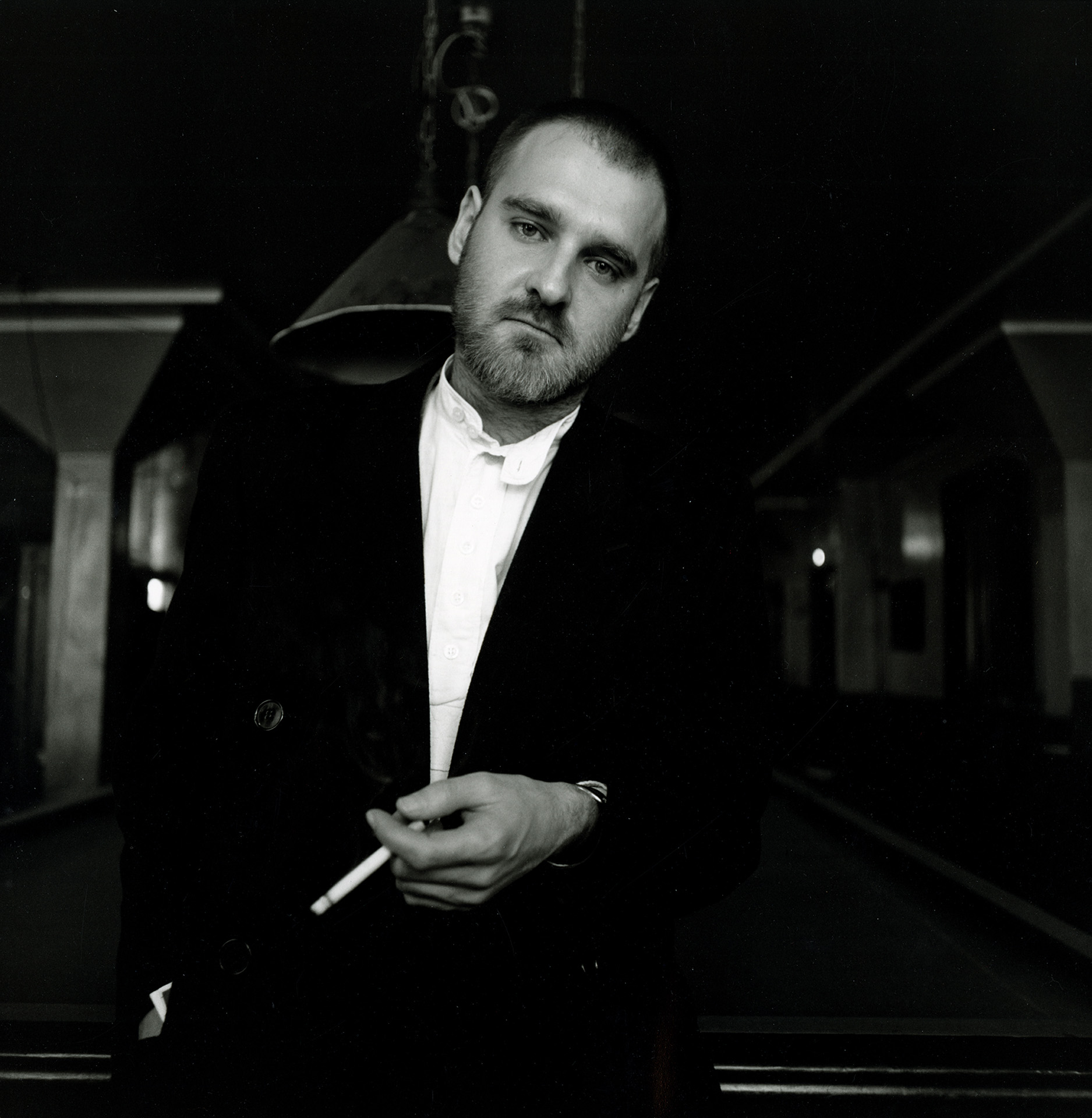
Photo: Jacques Dufresne | Collections de la Cinémathèque québécoise