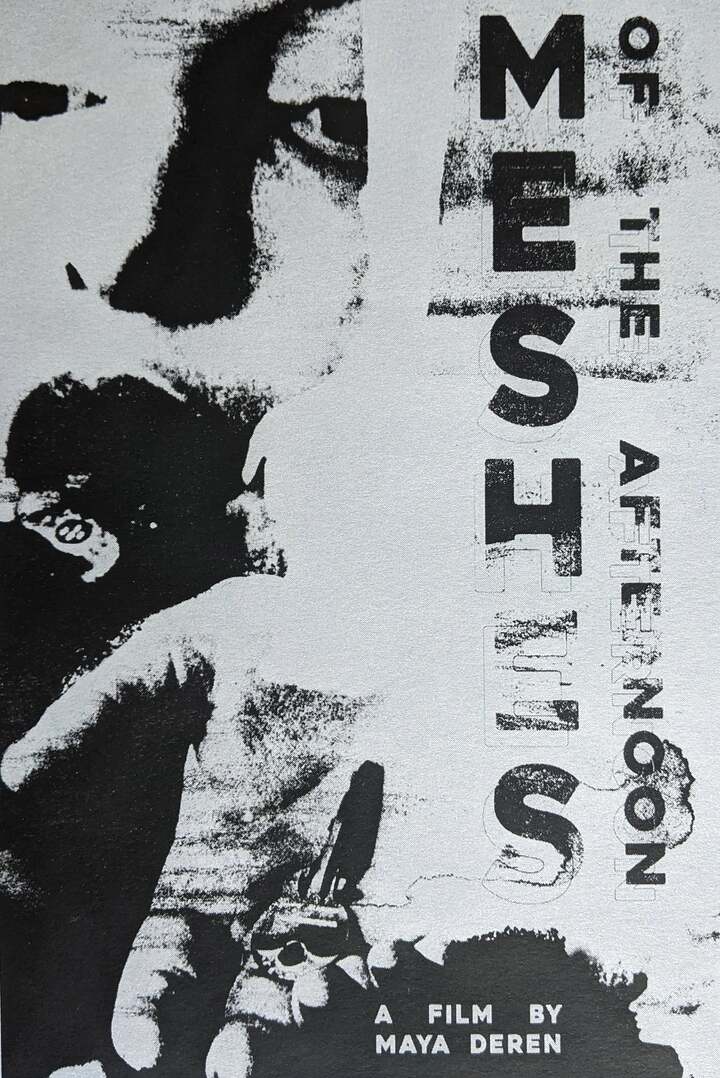
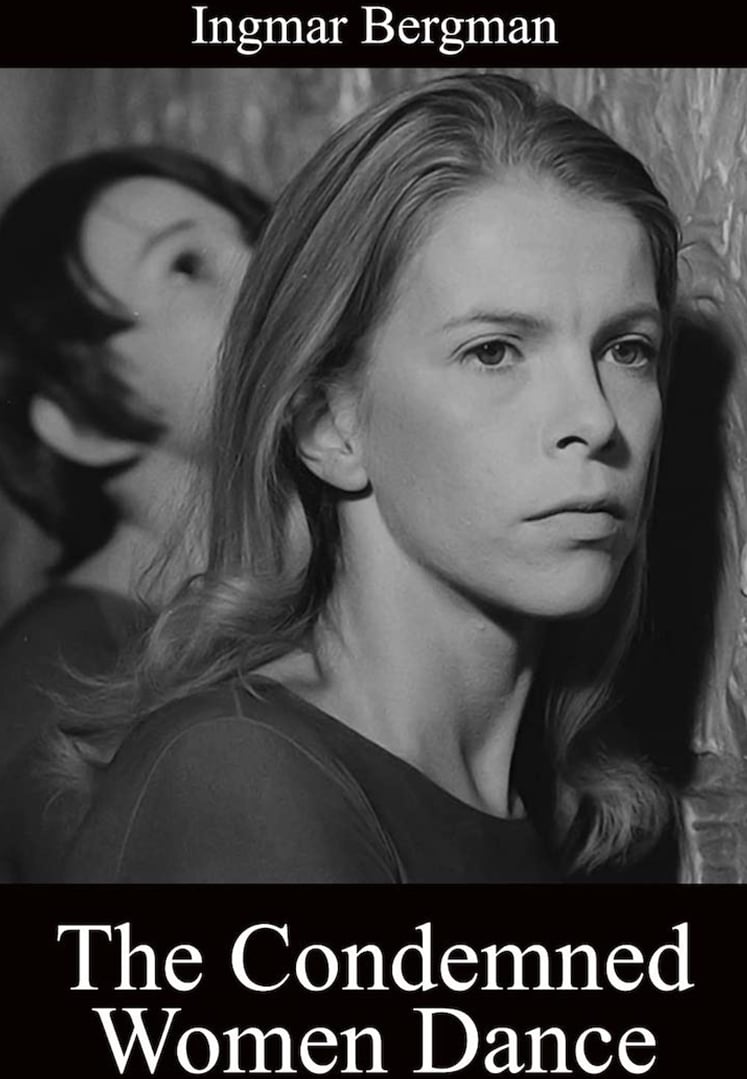
The Condemned Women Dance + Fårö Document
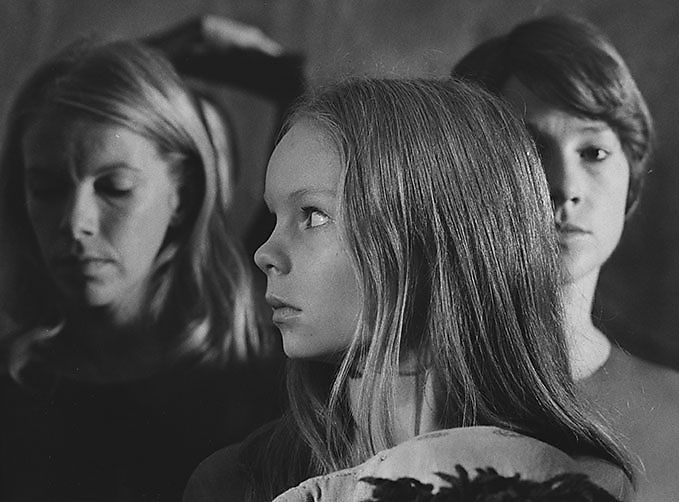
There is no end to the exploration of Ingmar Bergman's imposing work. This cycle, marking the recent revival of Cinematograph AB, the production company founded by the filmmaker, offers a selection of films that have rarely (if ever) been shown in Quebec theaters. This selection, which includes shorts, documentaries, a made-for-TV movie inspired by the making of Victor Sjöström's The Phantom Carriage, a feature-length version and a TV version of Face to Face, as well as a restoration of The Touch, allows us to consider new aspects of Bergman's work, just fifteen years after his death. Two films about the filmmaker's body of work and two of his masterpieces complete the cycle.
The film shows four women moving in a crowded, closed room to the music of Monteverdi. They represent women living by passing on a role that is passed down to them for generations. Two of the dancers are damned souls, the third dancer is death, and the fourth a child born free, but forced into the other’s female roles.
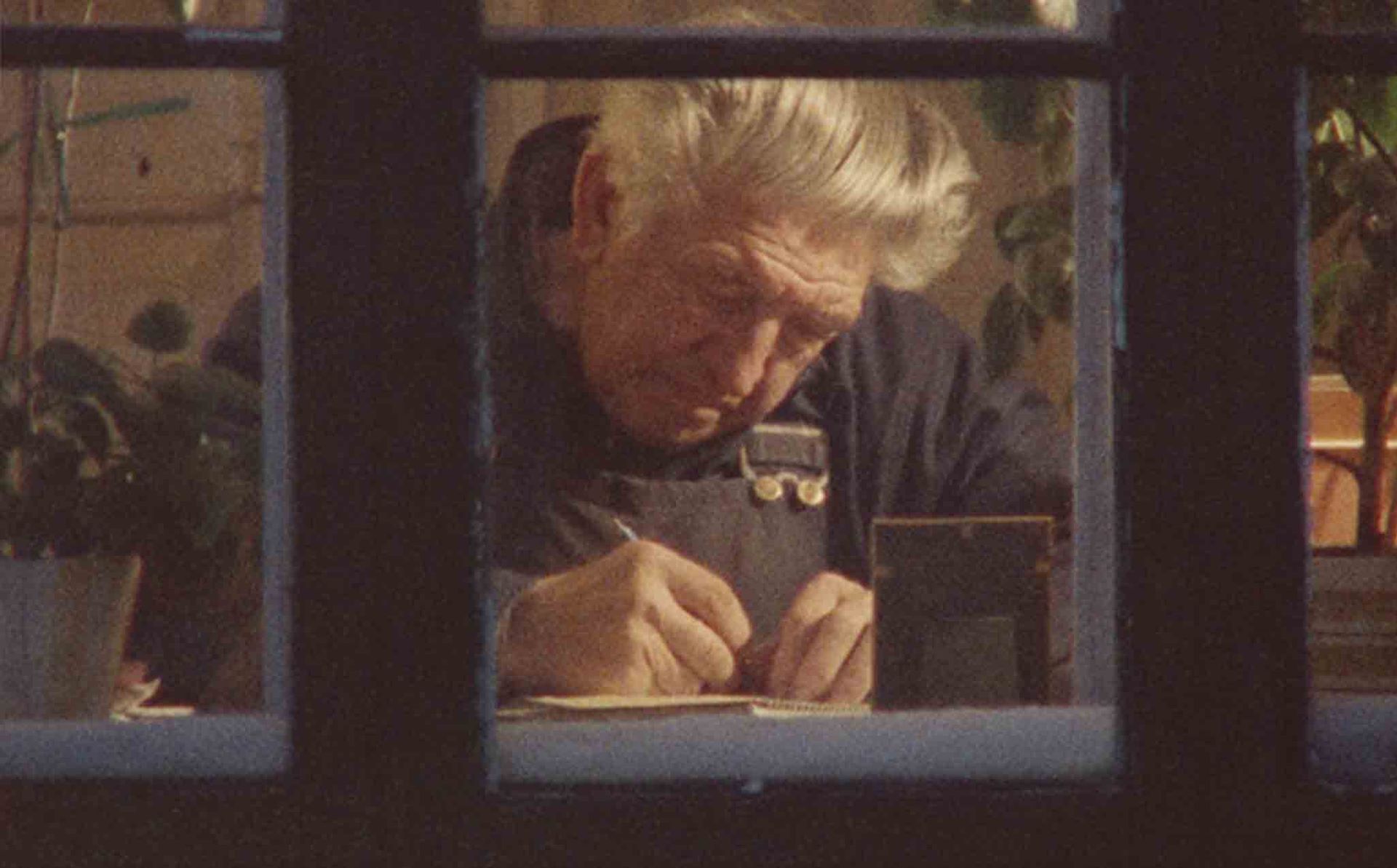
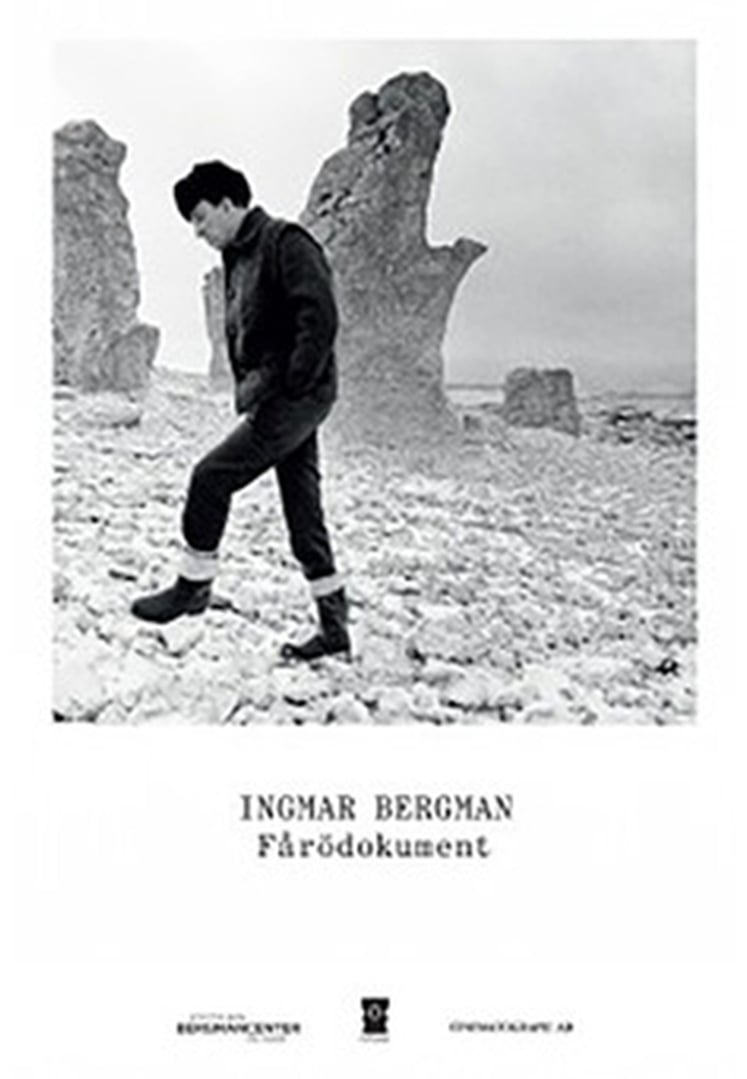
Bergman interviews the locals of Fårö in this fascinating documentary. An expression of personal and political solidarity with the fellow inhabitants of his adopted home, the island of Fårö in the Baltic Sea.
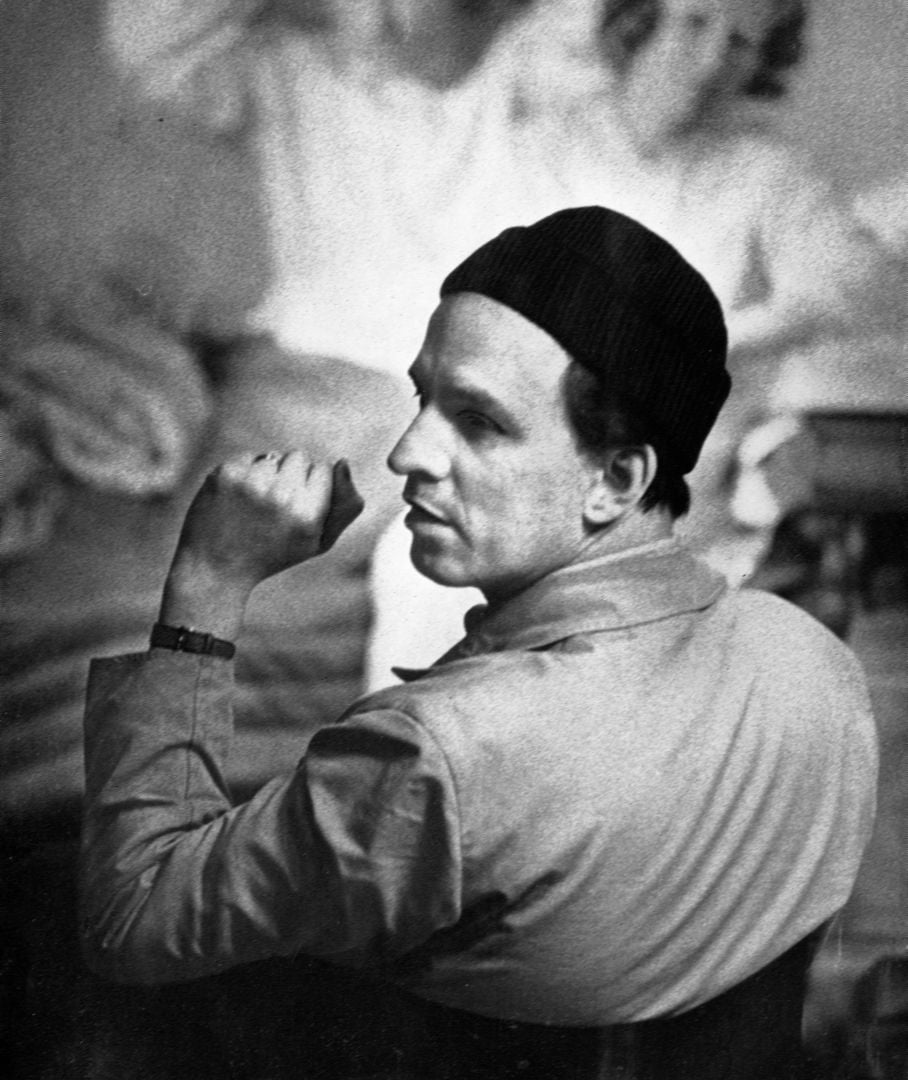
Ingmar Bergman
Born in 1918 in Uppsala, Sweden, Ingmar Bergman grew up in a strict Lutheran household. Cinema became a refuge for him, offering solace from his father's austere upbringing as a pastor. He pursued studies in history, literature, and theater, eventually embarking on a career in theater before transitioning to film. He began writing screenplays for Svensk Filmindustri. Starting with Crisis in 1946, he ventured into directing his own films. By the mid-1950s, works like The Seventh Seal and Wild Strawberries earned him international acclaim. In 1986, with the production of Fanny and Alexander, Bergman decided to end his illustrious career as a filmmaker for the big screen. However, he remained active in theater and television filmmaking until Sarabande in 2004. In his later years, he retired to the island of Fårö, a place deeply intertwined with his cinematic legacy and personal history.