The Hourglass Sanatorium
Giants, fairies, magicians, ghosts, dragons, and monsters of all kinds… Here’s what your Cinémathèque has in store this summer! Since Méliès, filmmakers have embraced the fanstastic potential of cinema, creating infinite phantasmagorias and extraordinary spectacles where the unreal becomes real. Step into a world of fantasy and boundless imagination: whatever your generation, the monsters and wonders that once filled your childhood dreams are back this summer 2025!
Winner of the Jury Prize, 1973 Cannes Film Festival
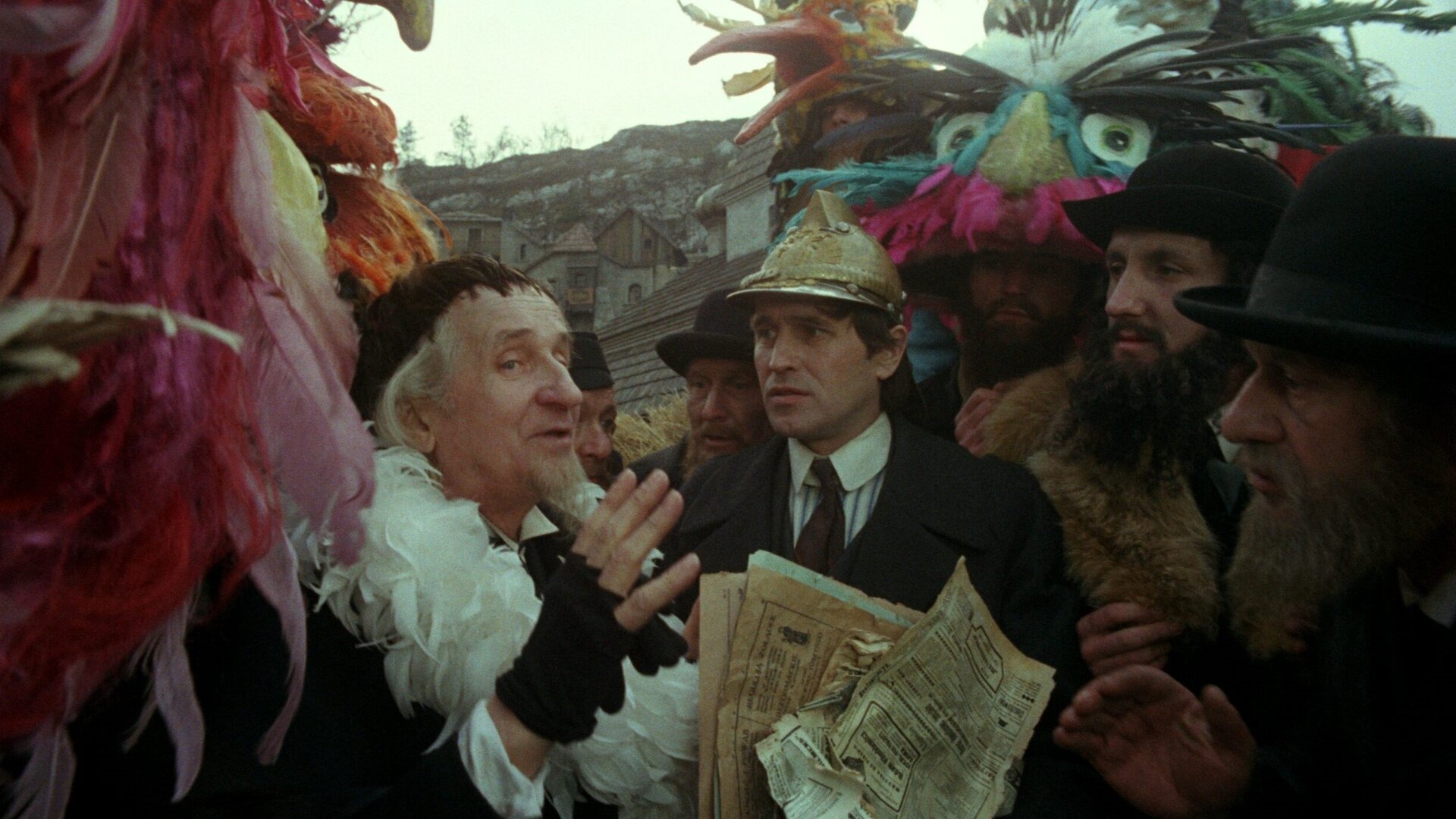
Josef goes to visit his sick father, but the place he finds is a gloomy and shabby sanatorium.
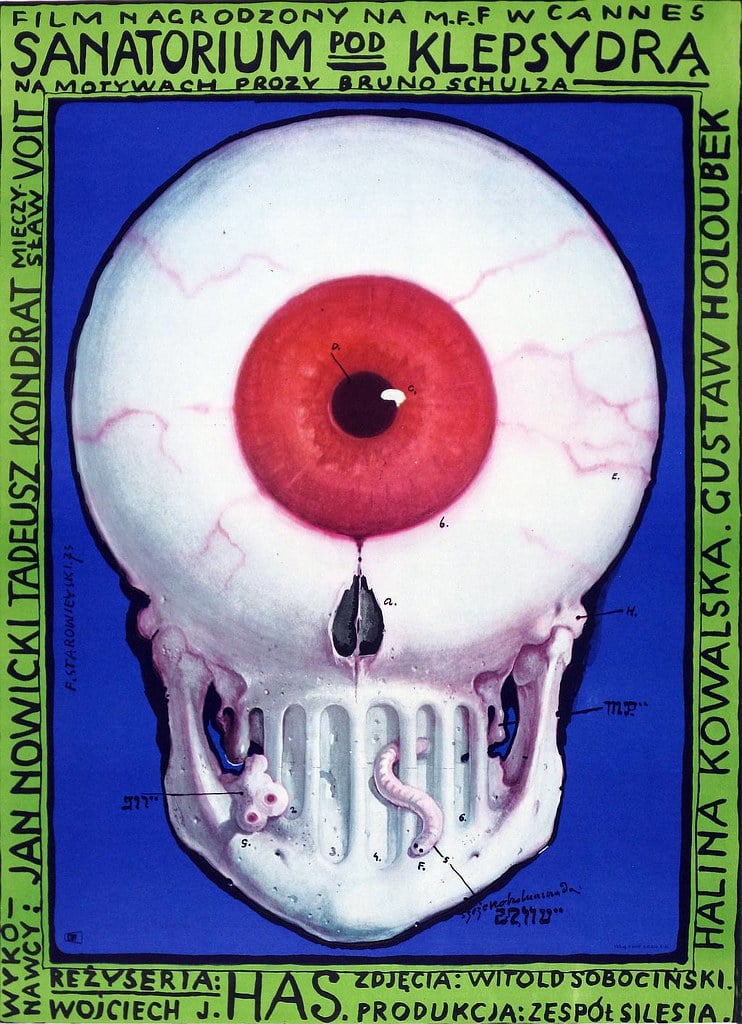
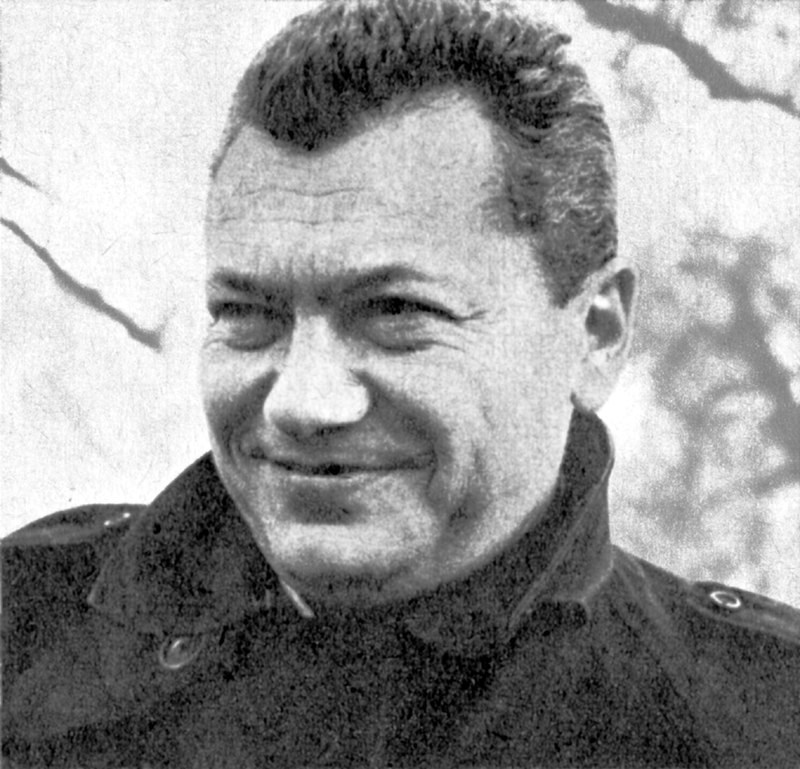
Wojciech Has
Wojciech Jerzy Has was a Polish filmmaker. During the German occupation, he studied in an underground art school before being able to enroll at the Academy of Fine Arts after the war to study painting and attend courses at the newly established Polish film school in Krakow. From the beginning of his career, he had a reputation for being individualistic as he was the only Polish director of the time who was not a member of the Communist Party. His work remained on the fringes of the "Polish School" as he refused to address themes directly related to Polish history. Polish critics associated him with surrealism, an idea reinforced by the dreamlike nature of his universes. His cinema is characterized by two important aspects: its psychological analysis and its visionary form, taking the motif of a journey. Among his most famous films are The Saragossa Manuscript (1965), The Doll (1968), The Hourglass Sanatorium (1973), and The Tribulations of Balthazar Kober (1988).