The Man Who Laughs
Keeping silent cinema alive, by offering audiences a chance to rediscover films from the era with the accompaniment of talented pianists, is an essential component of the Cinémathèque's programming. As digital technology continues to invent new ways of creating images, it is more relevant than ever to remember how eloquent the images from the so-called silent era of film history truly were. It's fascinating to see how much these works and filmmakers contributed to modern cinema – not to mention that it is always a pleasure to return, for a few hours, to the era of images that speak for themselves.
Accompanied on the piano by Gabriel Thibaudeau
This film is preserved in our collections
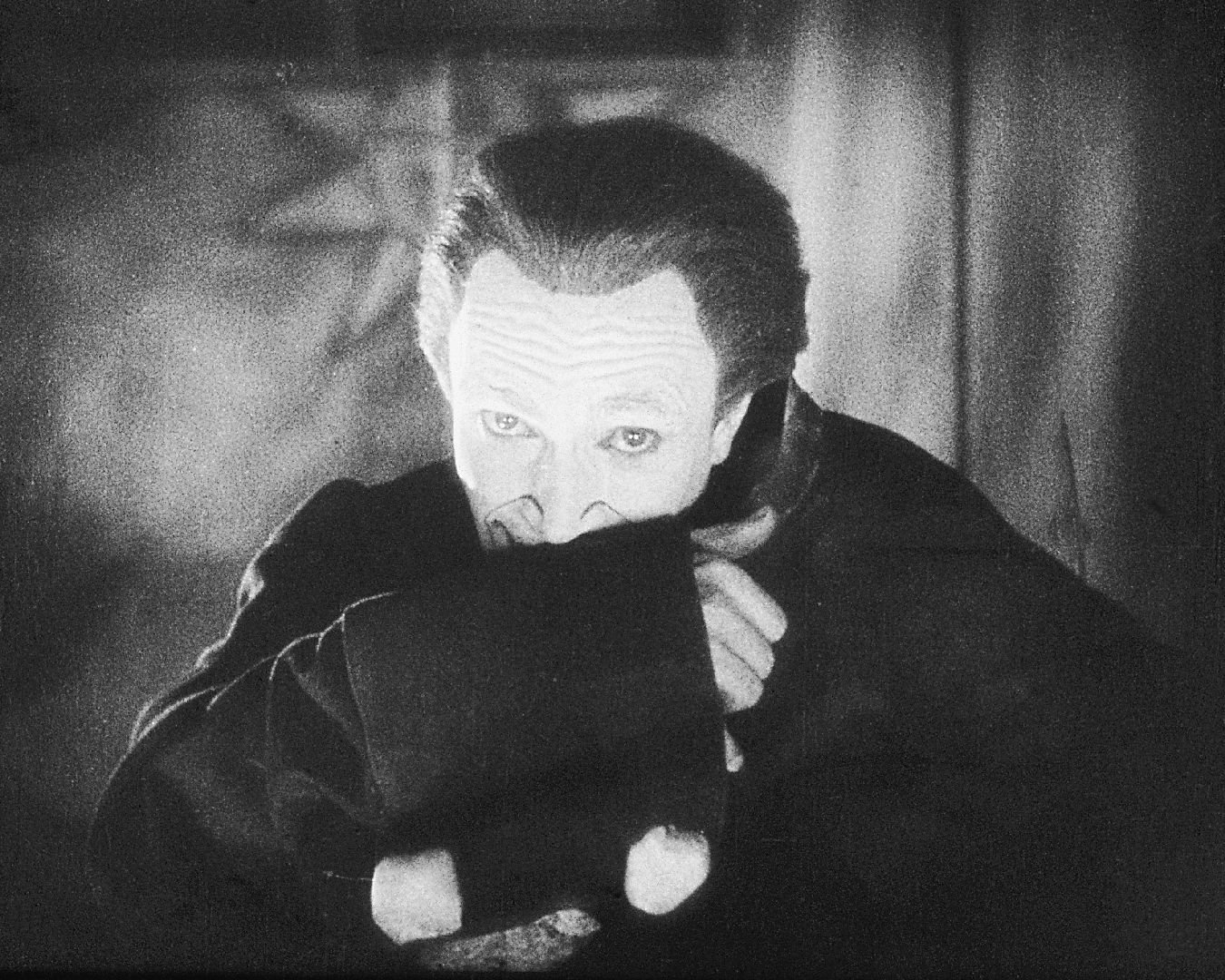
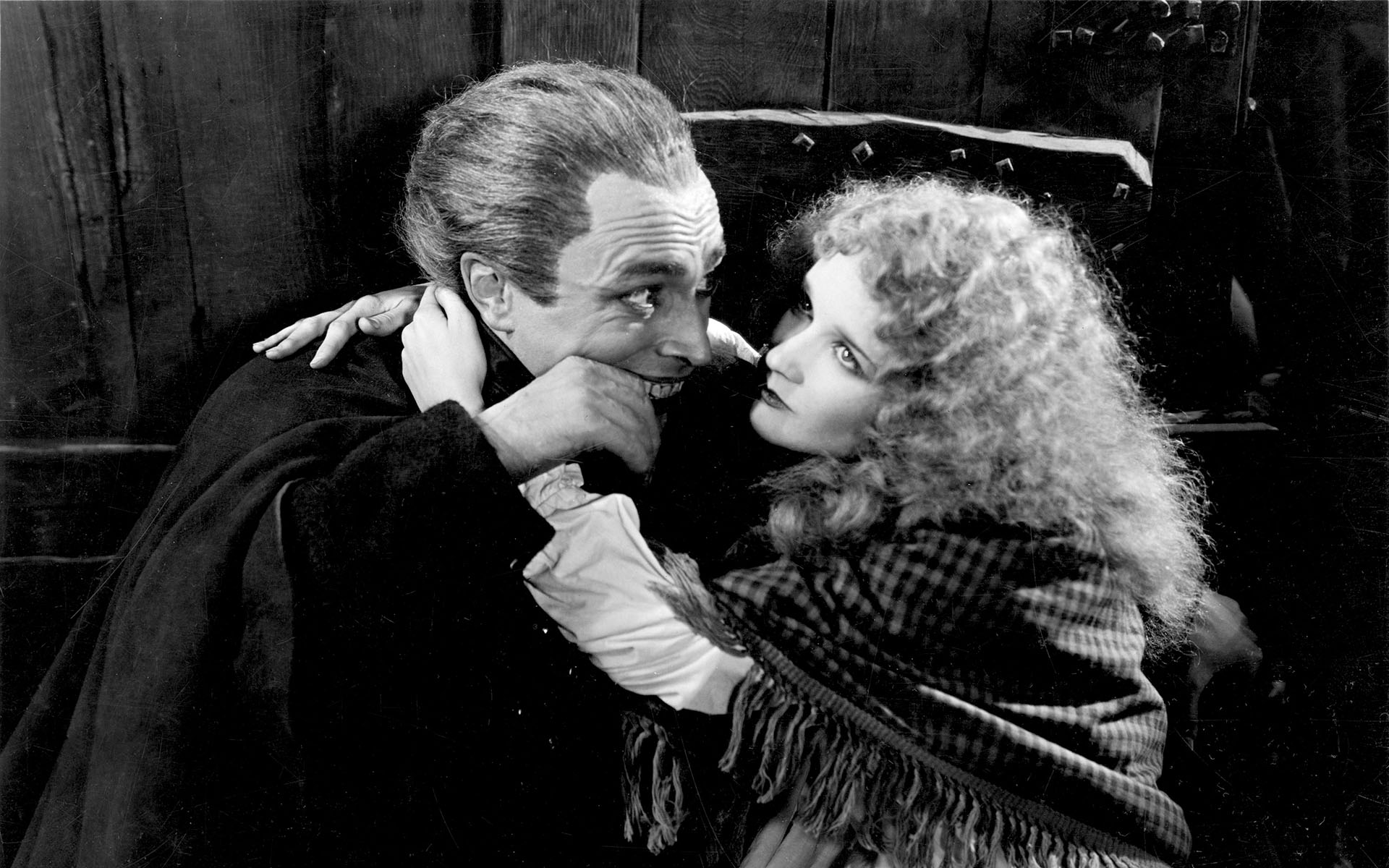
The story of a child whom human traffickers disfigured to give him a permanent grin, condemning him to a life as a freak show attraction.
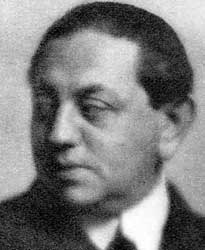
Paul Leni
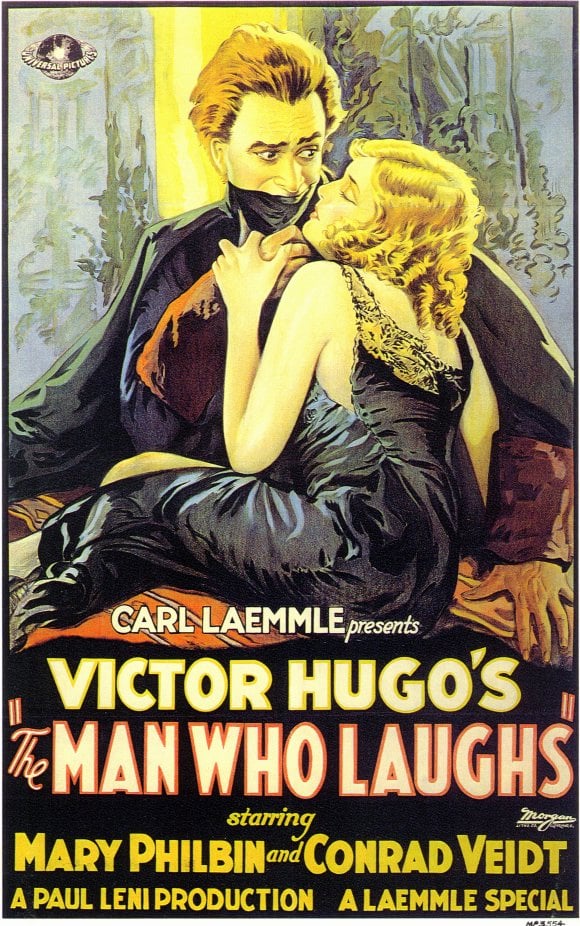
Paul Leni was a German filmmaker and a key figure in German Expressionism, making Backstairs (1921) and Waxworks (1924) in Germany, and The Cat and the Canary (1927), The Chinese Parrot (1927), The Man Who Laughs (1928), and The Last Warning (1928) in the United States. He became an avant-garde painter at the age of 15, studied at Berlin's Academy of Fine Arts, and subsequently worked as a theatrical set designer, working for a number of theatres in Berlin. In 1913, he started working in the German film industry designing film sets and/or costumes for directors such as Joe May, Ernst Lubitsch, Richard Oswald, and E. A. Dupont. During World War I, Leni started directing as well. He made his first film, Dr. Hart's Diary, in 1917. In 1927, he accepted Carl Laemmle's invitation to become a director at Universal Studios and moved to Hollywood. There Leni made a distinguished directorial debut with The Cat and the Canary (1927), an adaptation of John Willard's stage play. The film had a great influence over Universal's later classic "haunted house" horror series, and was subsequently remade several times, notably in 1939 with Bob Hope. The following year he directed the big budget The Man Who Laughs, based on the novel by Victor Hugo, one of the most visually stylized of late period silent films.