The Sixth Sense
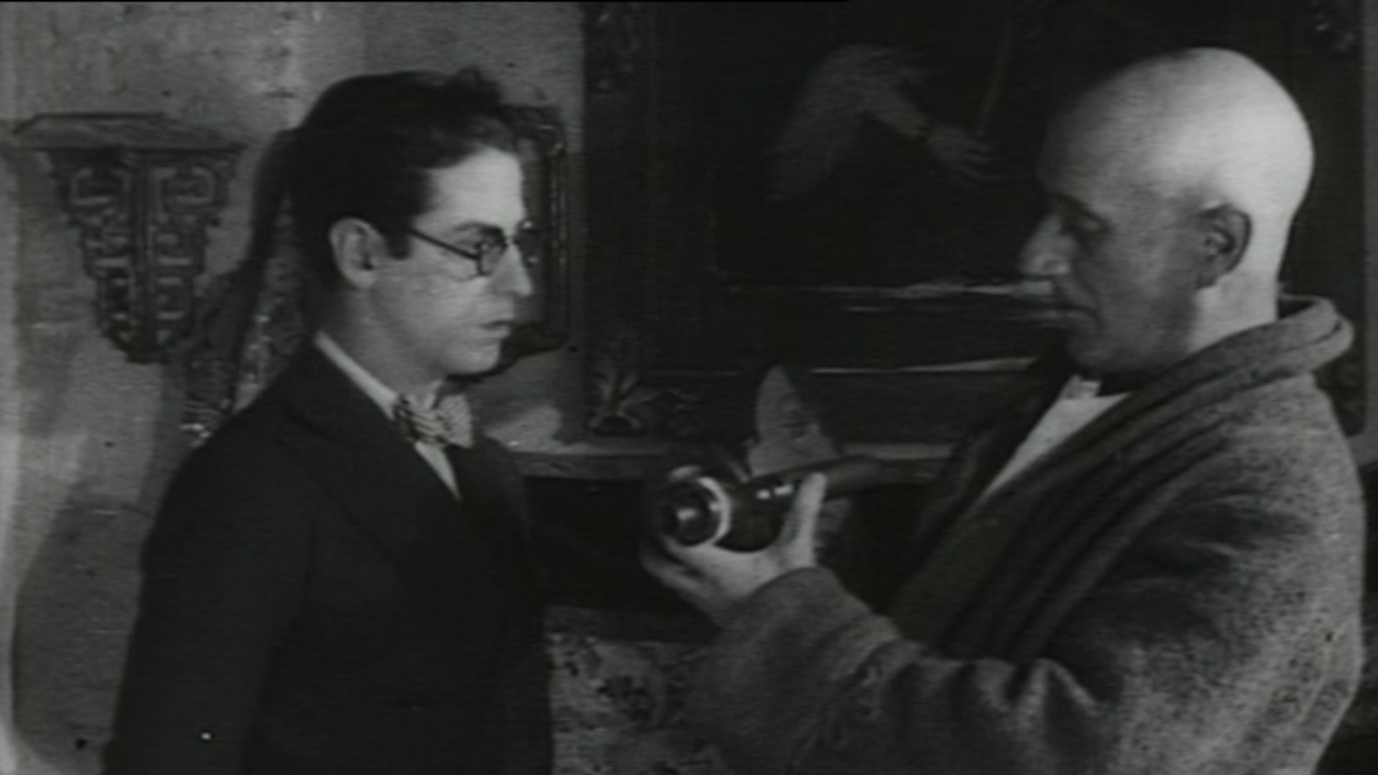
Keeping silent cinema alive, by offering audiences a chance to rediscover films from the era with the accompaniment of talented pianists, is an essential component of the Cinémathèque's programming. As digital technology continues to invent new ways of creating images, it is more relevant than ever to remember how eloquent the images from the so-called silent era of film history truly were. It's fascinating to see how much these works and filmmakers contributed to modern cinema – not to mention that it is always a pleasure to return, for a few hours, to the era of images that speak for themselves.
Accompanied on the piano by Guillaume Martineau
Carlos wants to help his friend León, who has a pessimistic outlook on life. They visit Professor Kamus, who tries to open up his perception by introducing him to moving images. A reflection on the ontological nature of film recording.
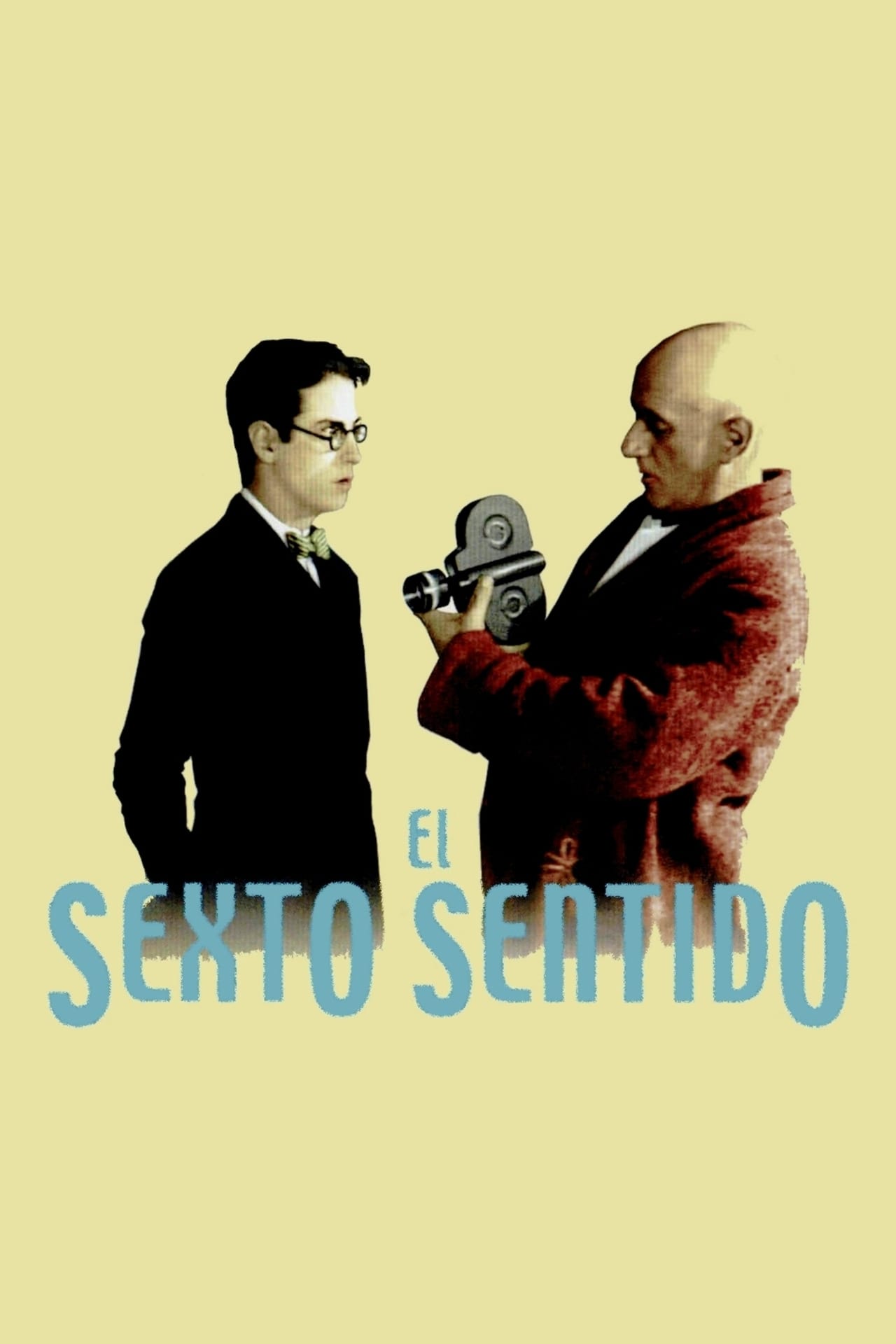
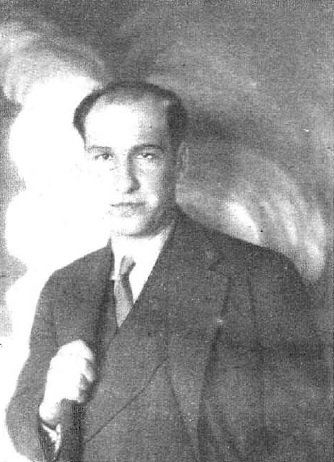
Nemesio M. Sobrevila
Nemesio Manuel Sobrevila was a Spanish avant-garde filmmaker, active before World War II. His studies in architecture in Barcelona and Paris influenced his cinematic approach to space, evident in works like El sexto sentido (1929) and Al Hollywood madrileño (1928). He then worked on a satire featuring a miraculous doctor titled Las maravillosas curas del doctor Asuero, which was banned by the Primo de Rivera government before its premiere. In 1935, he began filming La hija de Juan Simón, produced by Luis Buñuel, but their creative differences led to the project's failure. Already in exile, he directed the documentary Guernika, focusing on the Spanish Civil War, which resulted in his death sentence by the French regime and subsequent expulsion from French territory.