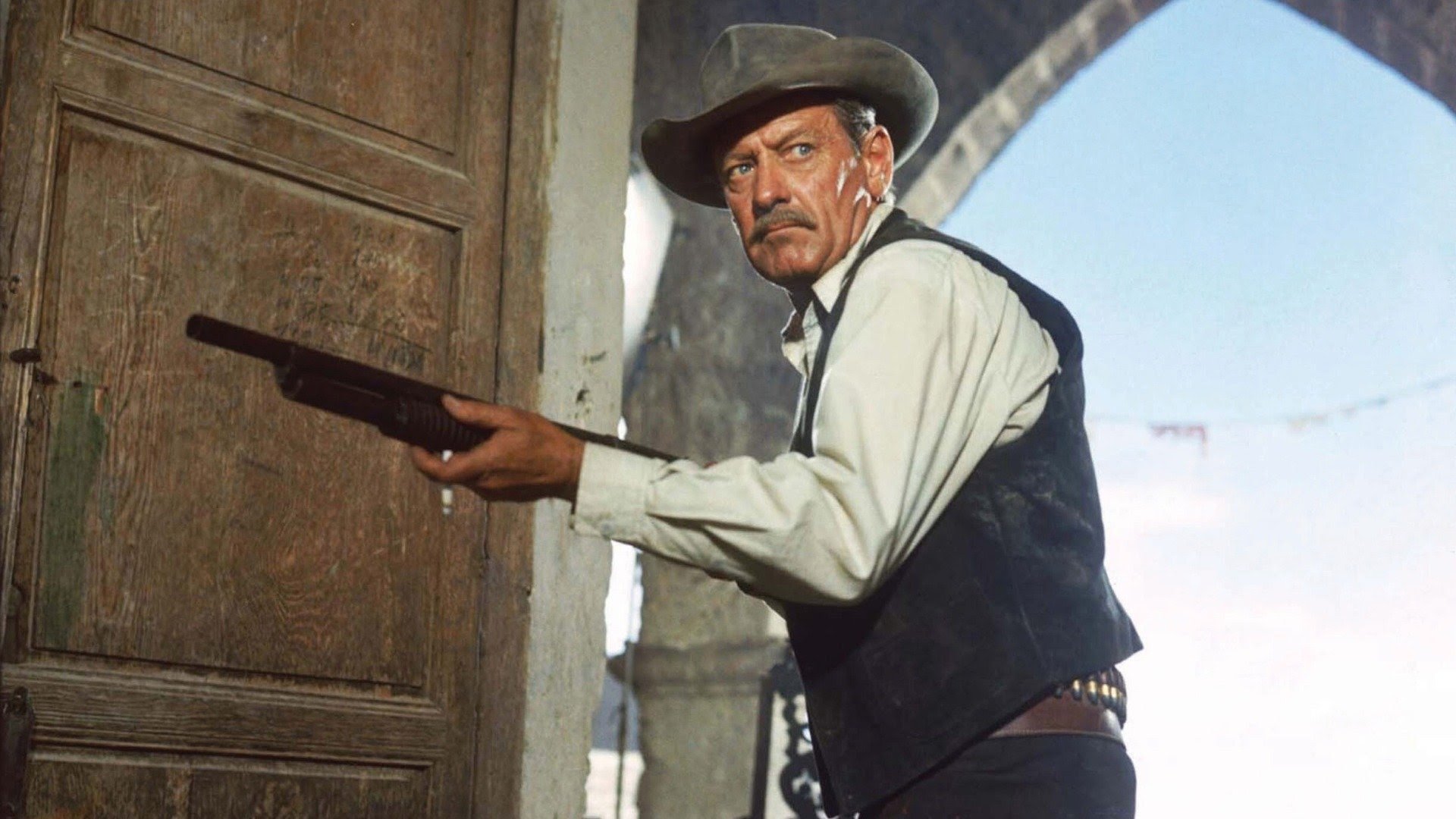
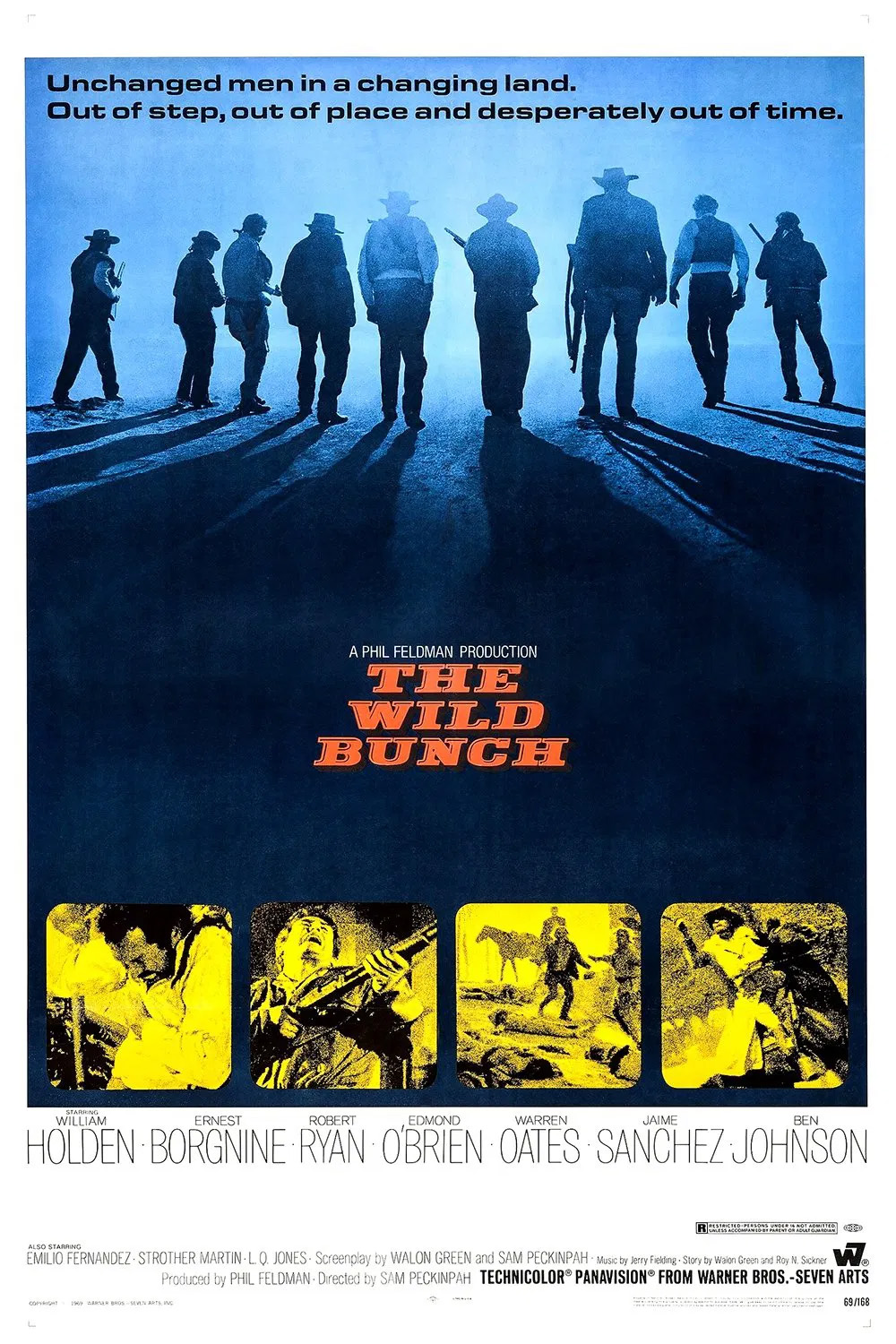
The Wild Bunch (Director's cut)
This program invites us to revisit, through a couple of films, the work of America’s most indomitable filmmaker, as this year marks his 100th anniversary. At once flamboyant and unsettling, brutal and romantic, Peckinpah’s cinema stands out for the mastery of his direction, his gripping exploration of humanity – for better or worse, and the depth of his reflection on the many forms of violence that shape our world. A cinema that asserts its freedom without compromise, like the antiheroes on the run at its core.
After robbing a railroad company, Pike and his band of outlaws flee to Mexico that is in the midst of a revolution. On their trail is Pike's former accomplice, who has been arrested and is forced to hunt them down to regain his freedom. Caught in a world in turmoil, they embark on a senseless journey with nothing left to lose. A monumental tale of violence that established Peckinpah's style.
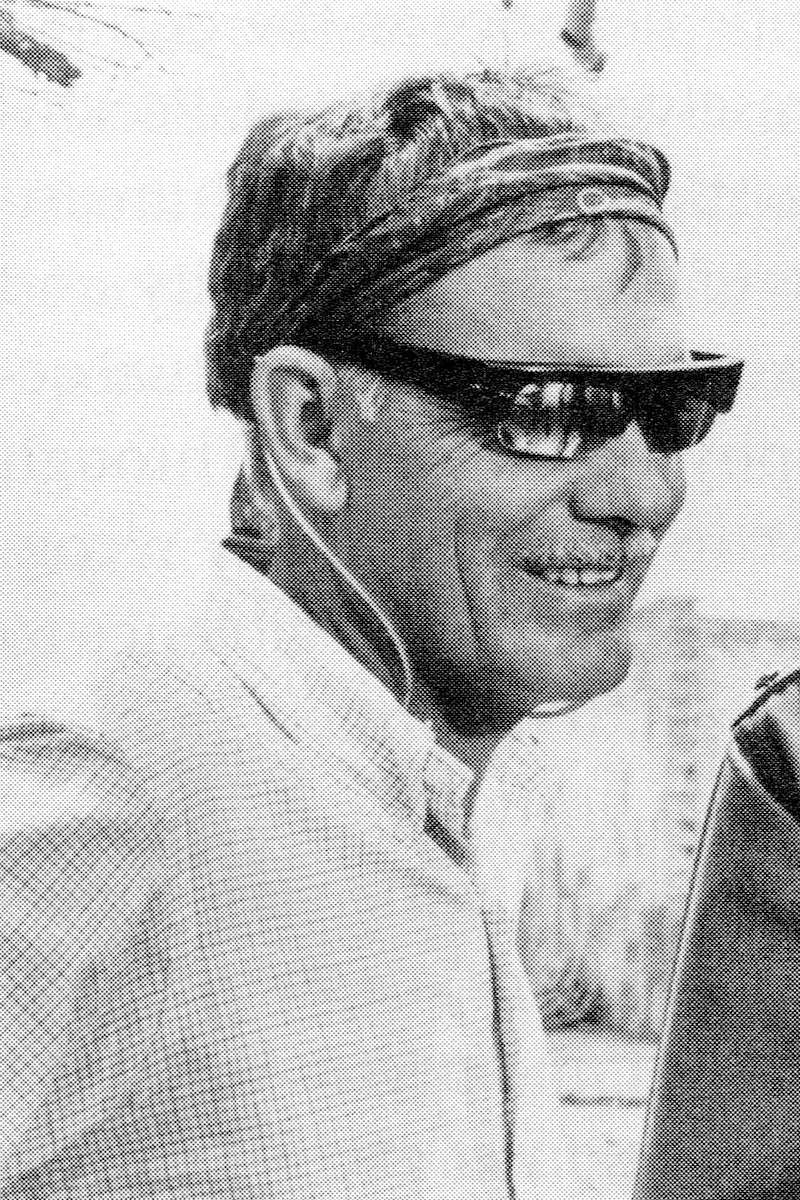
Sam Peckinpah
Sam Peckinpah was an American film director and screenwriter. His 1969 Western epic The Wild Bunch received two Academy Award nominations and was ranked No. 80 on the American Film Institute's top 100 list. His films employed a visually innovative and explicit depiction of action and violence as well as a revisionist approach to the Western genre. Peckinpah's films deal with the conflict between values and ideals, as well as the corruption and violence in human society. His characters are often loners or losers who desire to be honorable but are forced to compromise in order to survive in a world of nihilism and brutality. He was given the nickname "Bloody Sam" owing to the violence in his films. Peckinpah's other notable films include Ride the High Country (1962), Straw Dogs (1971), Pat Garrett and Billy the Kid (1973), and Bring Me the Head of Alfredo Garcia (1974).
Explore
On our blog
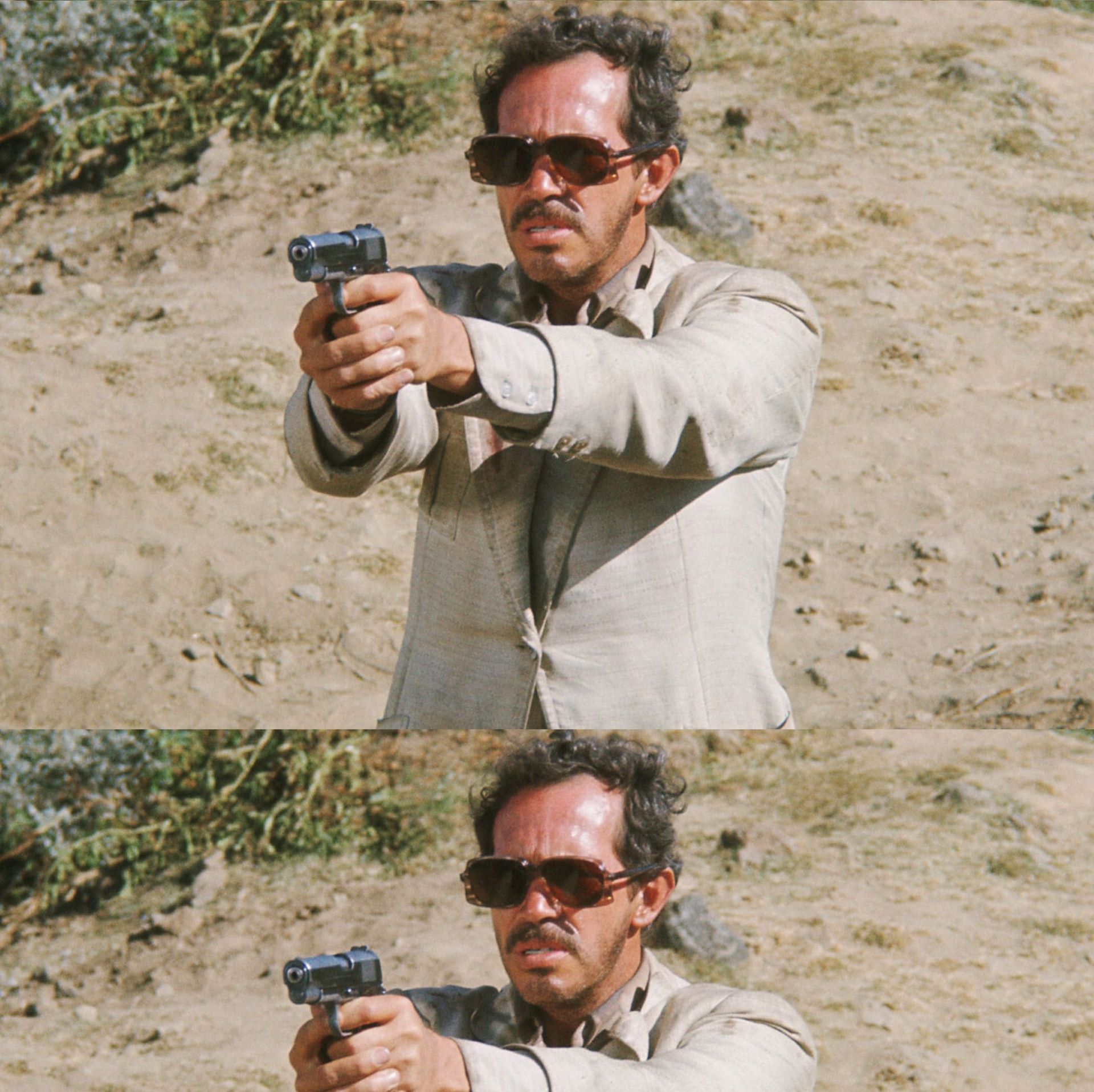
Peckinpah : tapageuse mélancolie
Sam Peckinpah, cinéaste rebelle de Hollywood par excellence, a laissé derrière lui une œuvre à la fois exaltée et âpre, toujours aussi fascinante à revisiter – peut-être plus que jamais, du fait de sa relecture du mythe américain. Si la violence est indéniablement au cœur de ses films, les réactions et interprétations qu’ont pu susciter l’usage outrancier qu’il en fait, ainsi que sa réputation sulfureuse, ont eu tendance à occulter la complexité du regard qu’il porte sur l’humanité, servi par une maîtrise absolue de la mise en scène.