Thérèse Desqueyroux
The By popular demand screenings allow us to respond to special requests from you, our audience! Whether it's a film from a retrospective you want to see again, or a work you want to draw our attention to, we are open to all suggestions. The programming team collects suggestions from the public and responds to them whenever possible.
Winner of the Volpi Cup for Best Actress for Emmanuelle Riva, 1962 Venice International Film Festival
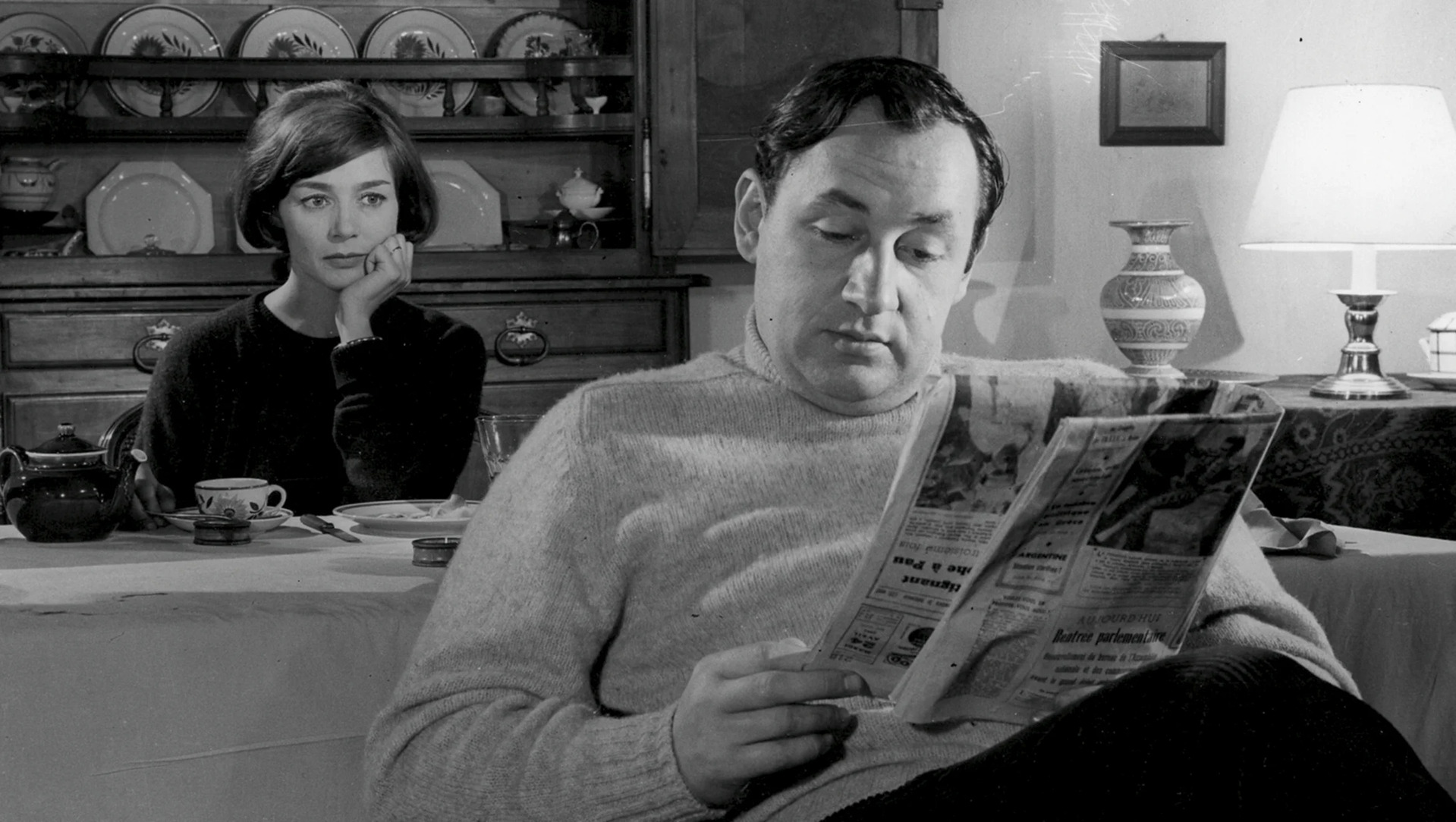
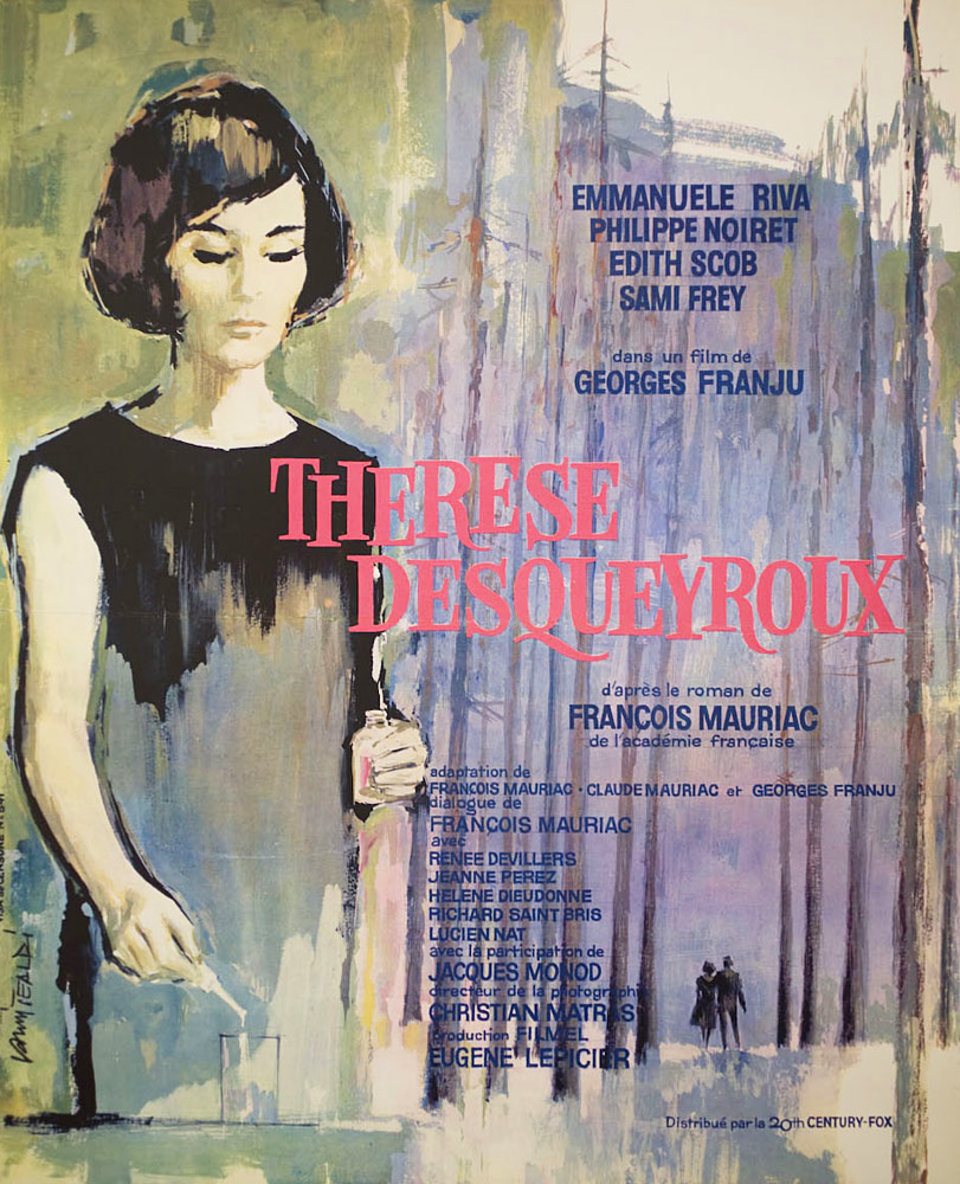
After her failed attempt to poison her husband Bernard, Thérèse Desqueyroux is acquitted thanks to his testimony, as he seeks to preserve the honor of a respectable family. However, he cannot understand his wife’s actions and confines her to their estate, where she sinks into despair. Based on the novel by François Mauriac.
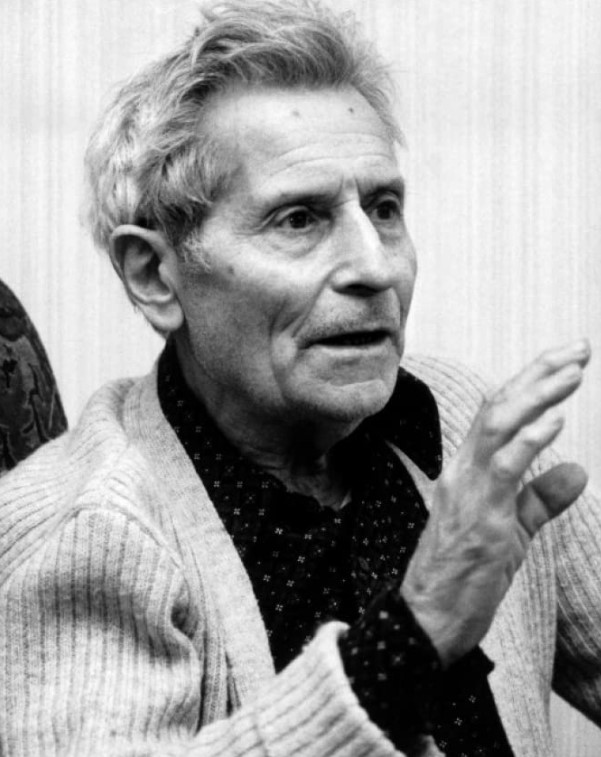
Georges Franju
Georges Franju is a French filmmaker. He directed his first short film, Le métro, alongside Henri Langlois in 1935. The following year, he co-founded the Cinémathèque française with Langlois, benefiting from the support of Paul-Auguste Harlé. In 1938, he became the executive secretary of the International Federation of Film Archives (FIAF). After World War II, Franju made a name for himself with short documentaries marked by uncompromising realism, yet featuring brief surrealist and poetic moments, such has Le sang des bêtes, set in the world of slaughterhouses, En passant par la Lorraine, depicting the steel mills of the Moselle region, and Hôtel des Invalides, about the absurdity of war. Franju's cold, poetic, slightly fantastical directorial style is also evident in his feature films, such as La tête contre les murs (1958), set in a psychiatric hospital, and his masterpiece Les yeux sans visage (1960), an authentic horror film with scenes that foreshadowed the gore genre. In 1963, in Judex, he displayed a penchant for the unusual and affirmed his taste for expressionist staging. He also adapted François Mauriac's Thérèse Desqueyroux (1962) and Émile Zola's La faute de l'abbé Mouret (1970).