Giants, fairies, magicians, ghosts, dragons, and monsters of all kinds… Here’s what your Cinémathèque has in store this summer! Since Méliès, filmmakers have embraced the fanstastic potential of cinema, creating infinite phantasmagorias and extraordinary spectacles where the unreal becomes real. Step into a world of fantasy and boundless imagination: whatever your generation, the monsters and wonders that once filled your childhood dreams are back this summer 2025!
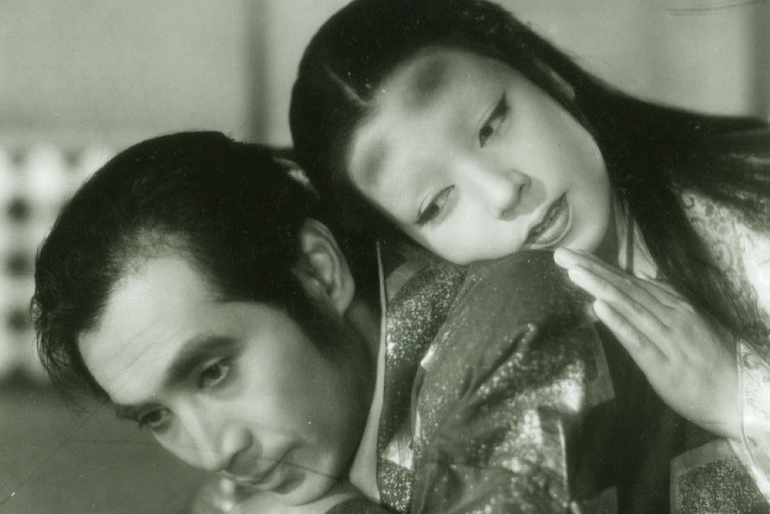
Winne of the Silver Lion for Best Direction, 1953 Venice International Film Festival
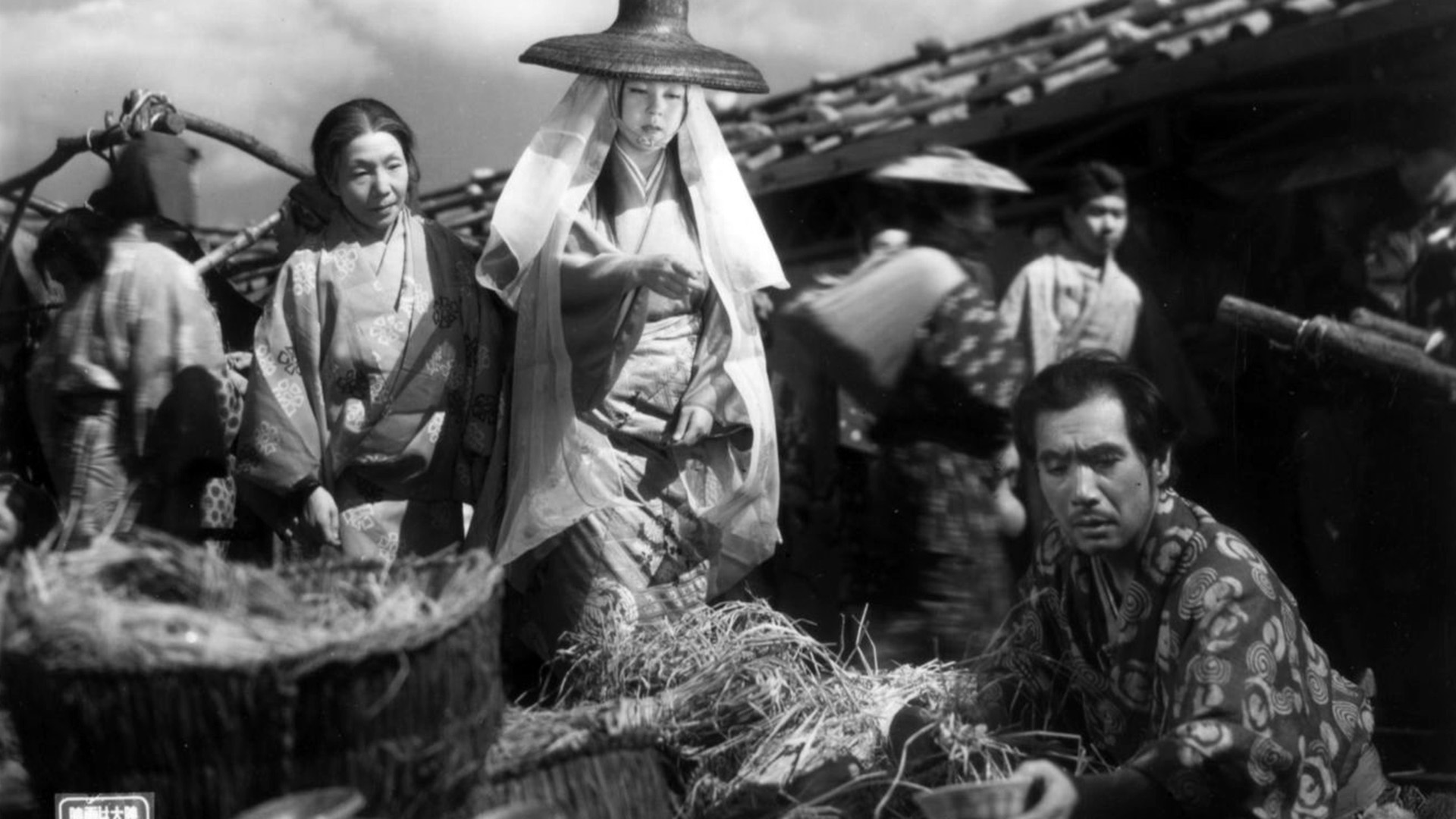
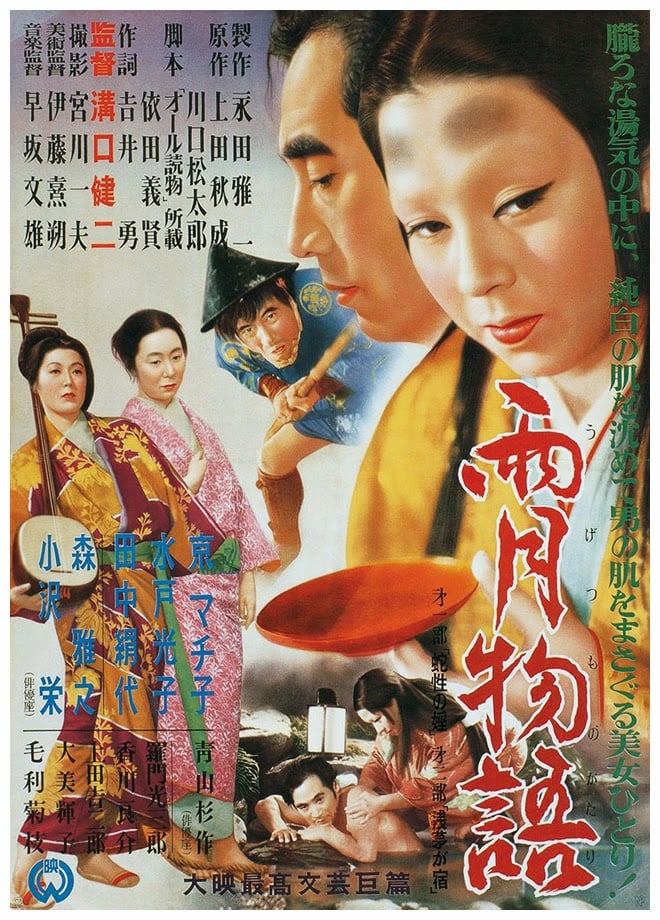
In 16th-century Japan, a modest potter dreaming of wealth is bewitched by an elegant lady who is in fact a ghost. In the gilded cage of his home, he forgets about his family who are suffering the ravages of war. Based on two tales by Ueda Akinari and a short story by Guy de Maupassant, Kenji Mizoguchi directs one of his most famous films, a fascinating and tragic journey into 16th-century Japan, with its ghosts, witches, and evil forces.
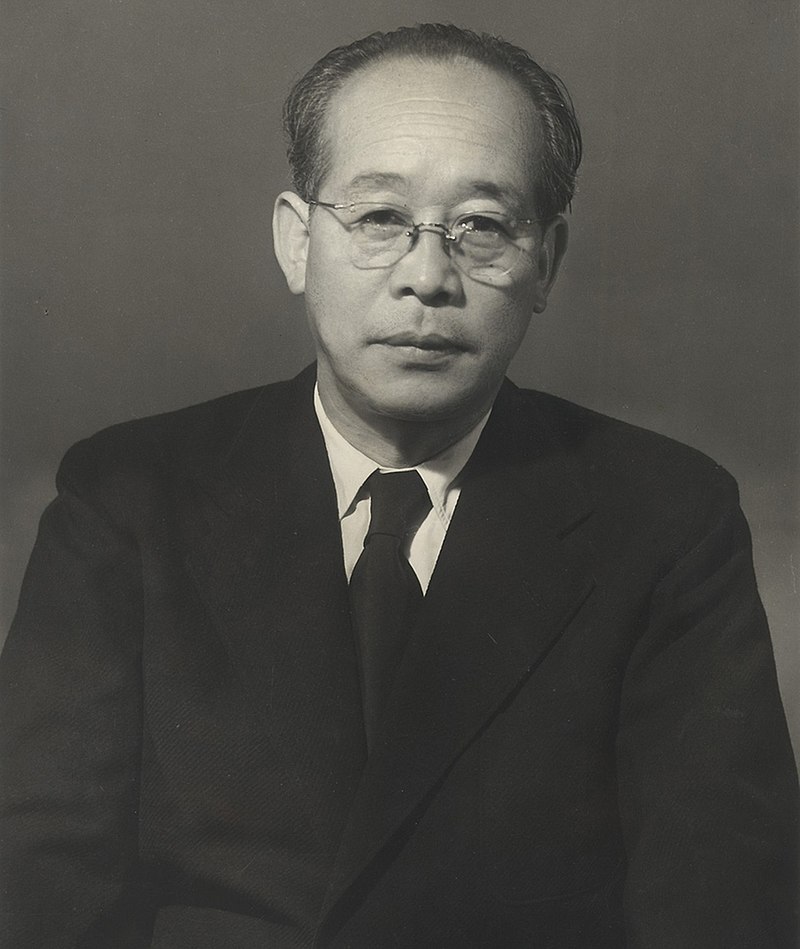
Kenji Mizoguchi
Kenji Mizoguchi was a Japanese filmmaker who directed roughly one hundred films during his career between 1923 and 1956. His most acclaimed works include The Story of the Last Chrysanthemums (1939), The Life of Oharu (1952), Ugetsu (1953), and Sansho the Bailiff (1954), with the latter three all being awarded at the Venice International Film Festival. A recurring theme of his films was the oppression of women in historical and contemporary Japan. Together with Akira Kurosawa and Yasujirō Ozu, Mizoguchi is seen as a representative of the "golden age" of Japanese cinema.