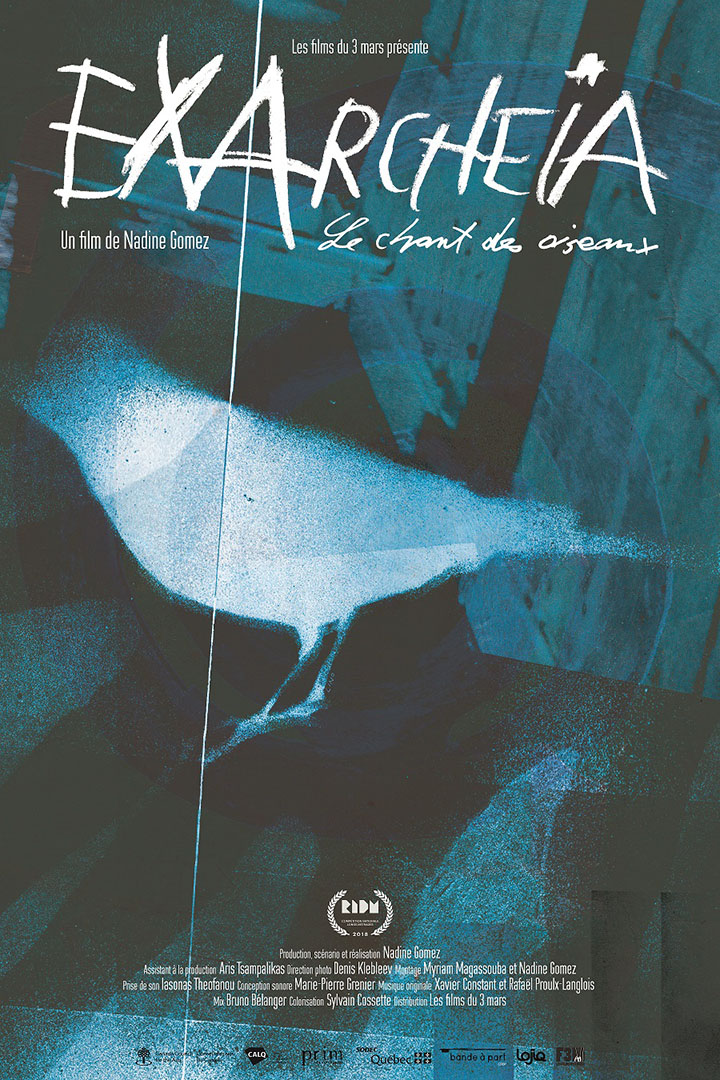
Ulysses' Gaze
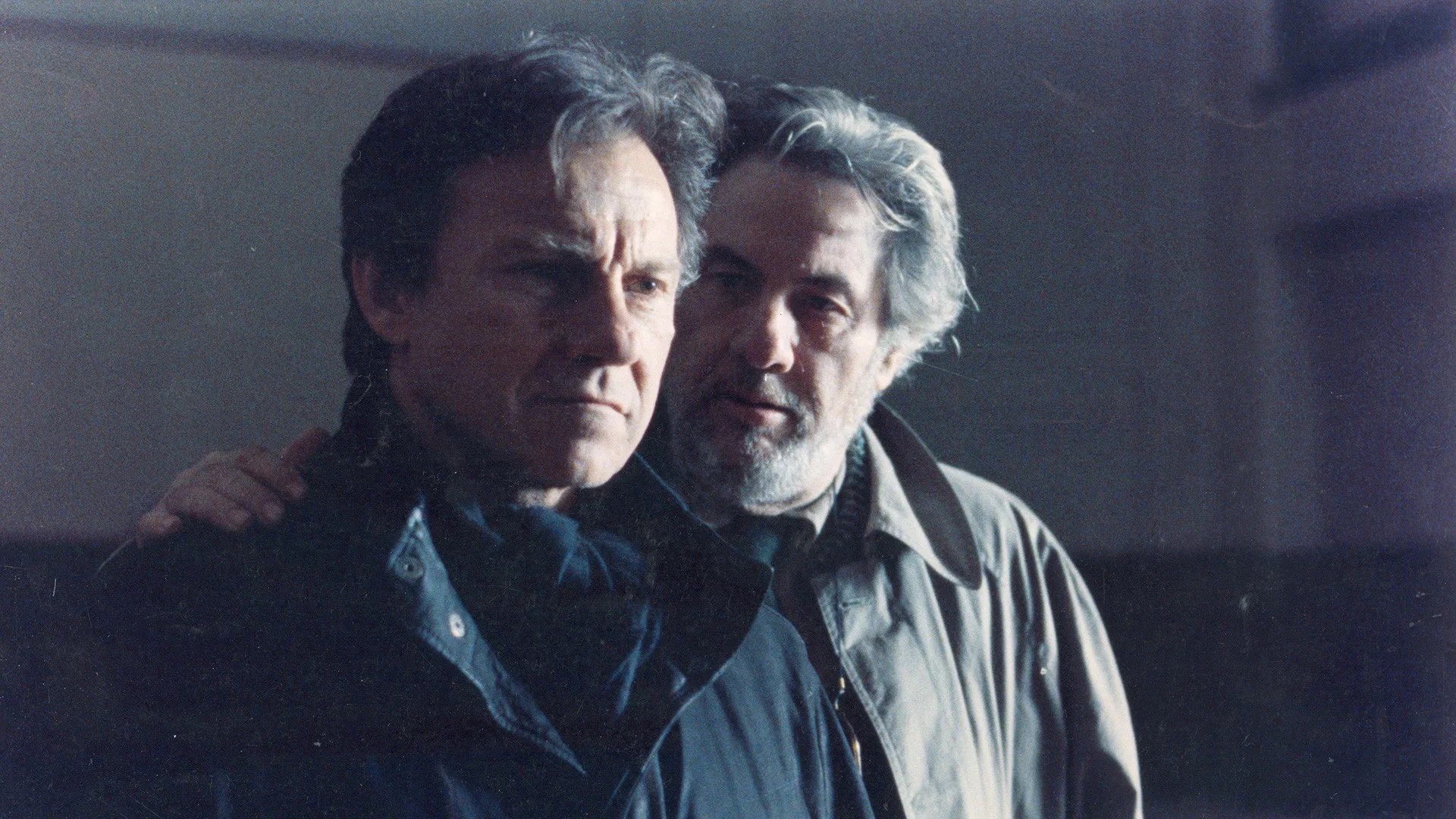
A distinguished and passionate film critic and educator, Gilles Marsolais was a pillar and champion of Quebec’s film culture. He established the film studies program at the Université de Montréal, co-founded the Association québécoise des critiques de cinéma, and contributed to numerous publications, most notably the magazine 24 images. In addition to his writings on cinema, including the seminal work L’aventure du cinéma direct revisitée, he also authored several collections of poetry. As he passed away last June, we wish to pay tribute to him by presenting two films by directors who were particularly close to his heart: Michel Brault and Theo Angelopoulos.
Winner of the Grand Prix and the FIPRESCI Prize, 1995 Cannes Film Festival
Back in his native Greece, a filmmaker seeks out the first film by a pioneer of his country's cinema.
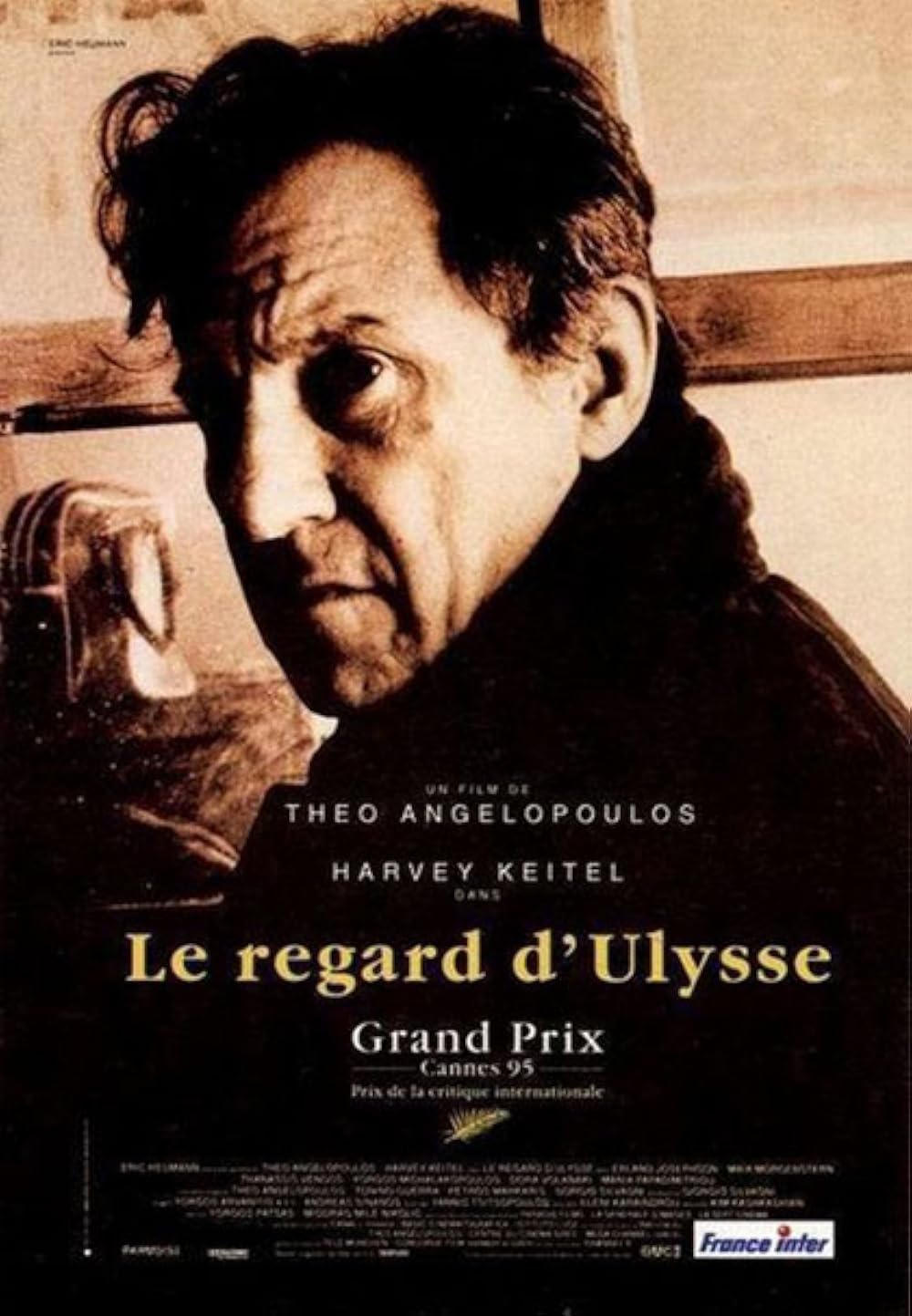
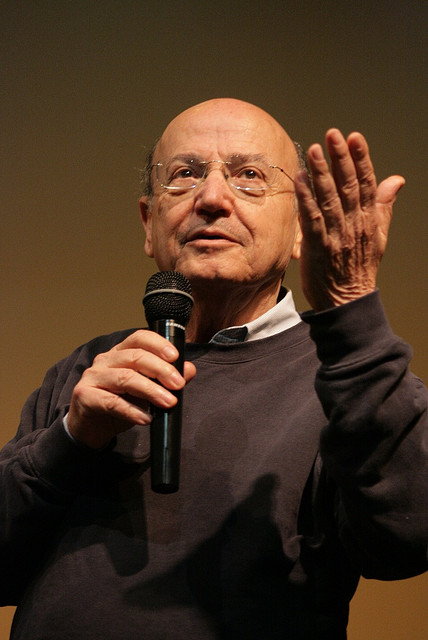
Theo Angelopoulos
Theo Angelopoulos is a Greek filmmaker. He is considered a leading figure of the Greek New Wave and a prominent figure in modern European cinema. After working as a film critic from 1964 to 1967, he turned to directing. His early films, from 1970 to 1980, are marked by political criticism, primarily of the dictatorship in Greece. He won the Golden Lion and the FIPRESCI Prize at the Venice Film Festival for Alexander the Great in 1980. With his next three films, he moved away from collective narratives based on history to focus on individual and internal experiences, while maintaining a political discours. He then expanded his discourse, previously focused on Greece, to the world with The Suspended Step of the Stork (1991), Ulysses' Gaze (1995), and Eternity and a Day (1998), which earned him the Palme d'Or at the Cannes Film Festival. His films are characterized by a hypnotic slowness, enhanced by the sporadic use of voice-over narration. Their complex narrative structures leave ample room for poetic visions.