Very Happy Alexander
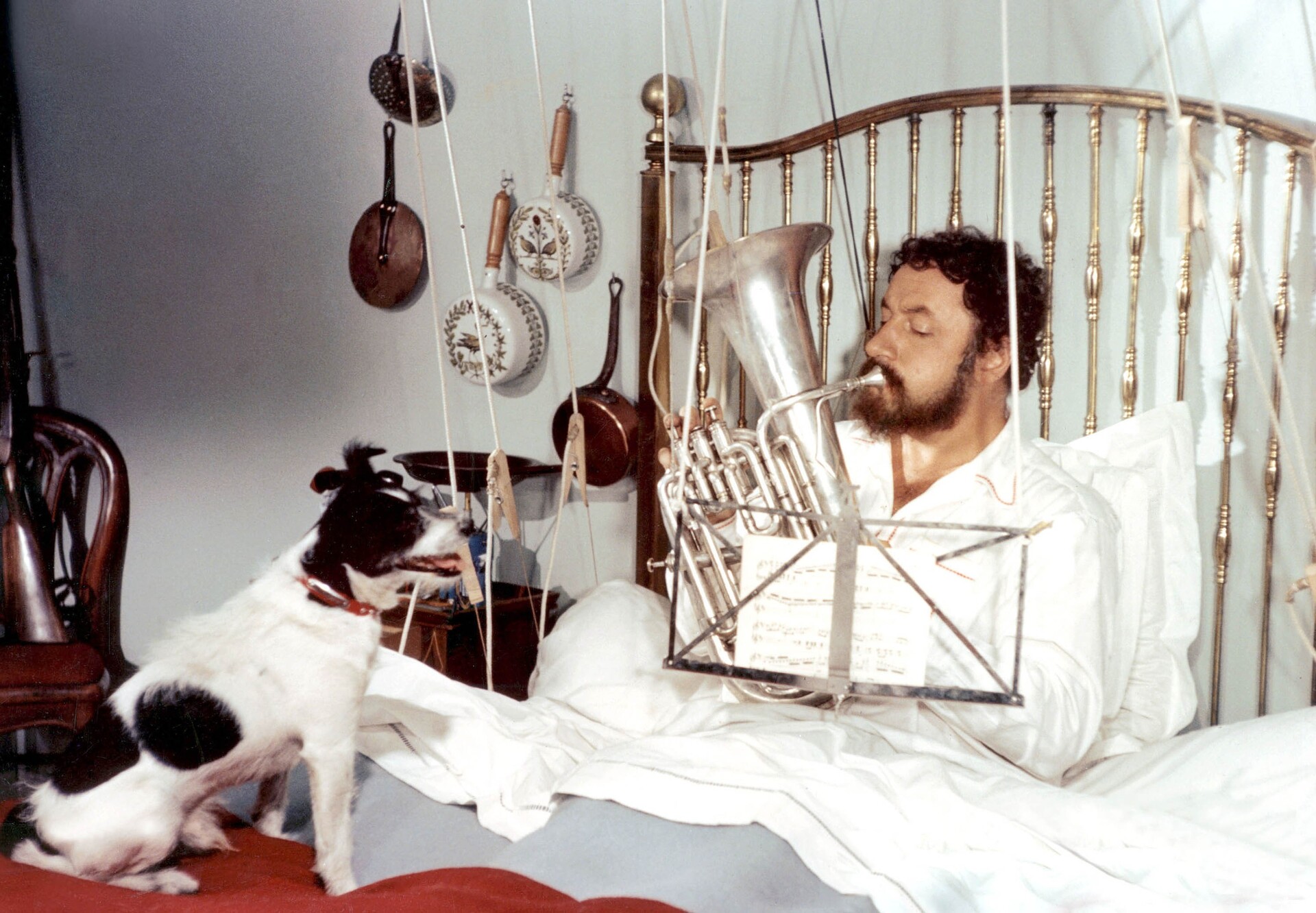
Pleasure can be a form of dissidence, as shown by this cycle, opening up this new year with a playful and impertinent philosophical tone. The modern heirs of Diogenes, the tramp Boudu and the punks of Not Dead dynamite the bourgeois order or the consumer society. Very Happy Alexander and The Big Lebowski make a few enemies by establishing the pleasures of laziness as an art of living. Children rebel against their school's authority figures in the libertarian Zero for Conduct, while Ferris Bueller prefers to play hooky to discover the world in a different way. In Hal Ashby's Harold and Maude, life becomes a marvelous game of defying convention and death, while Mr. Chance in Being There becomes a political oracle by simply explaining how to cultivate his garden. The final word goes to the decadent intellectuals of The Decline of the American Empire and their dizzying introspection on the exhausting quest for happiness.
Please note that this 35mm print shows some signs of wear, such as reddish toning.
Thank you for your comprehension.
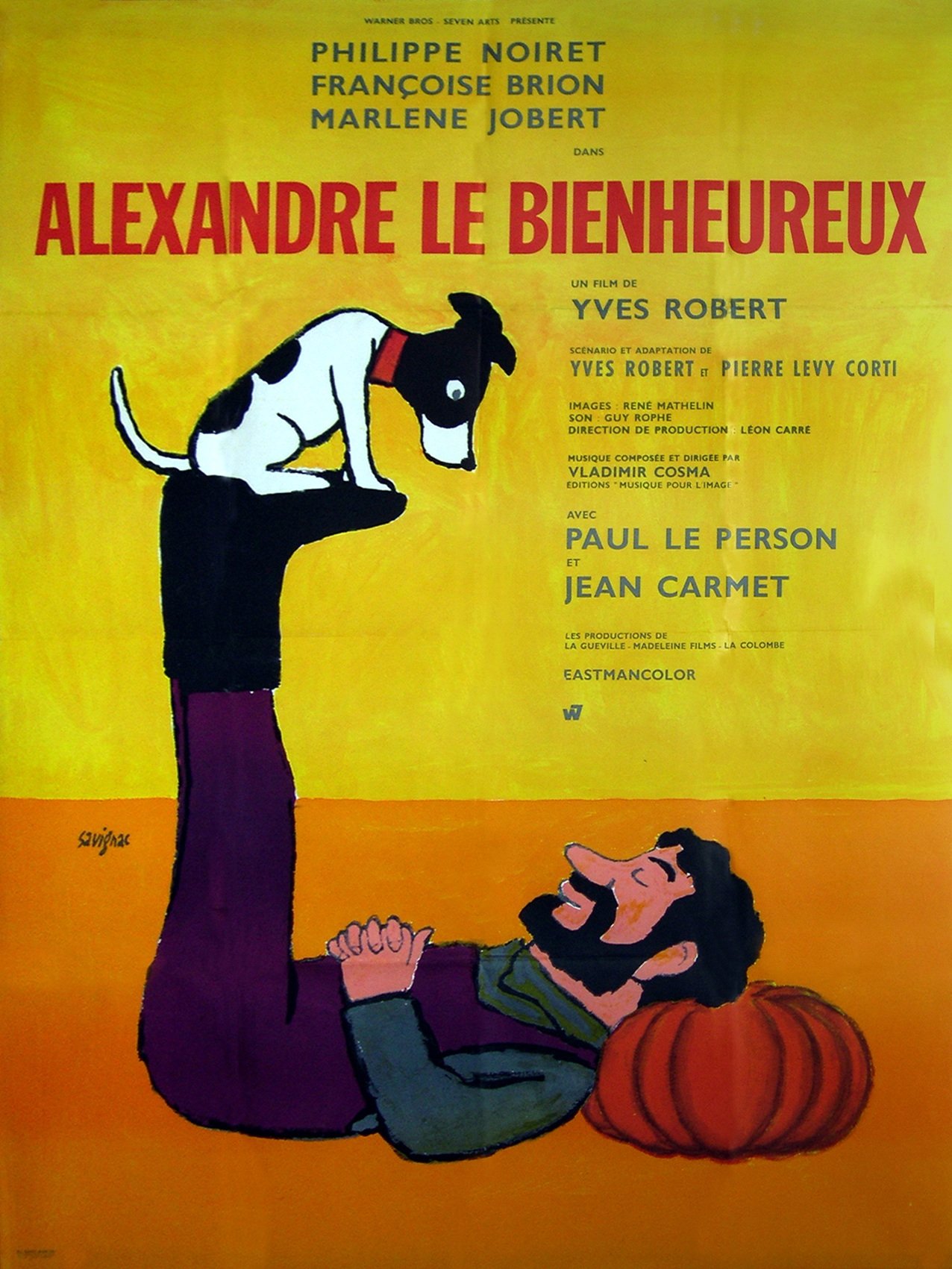
Alexandre, a farmer who works himself to the bone under the supervision of his demanding wife, is relieved of his burden when she dies in a car accident. The widower decides to enjoy life, spending all his time in bed first.
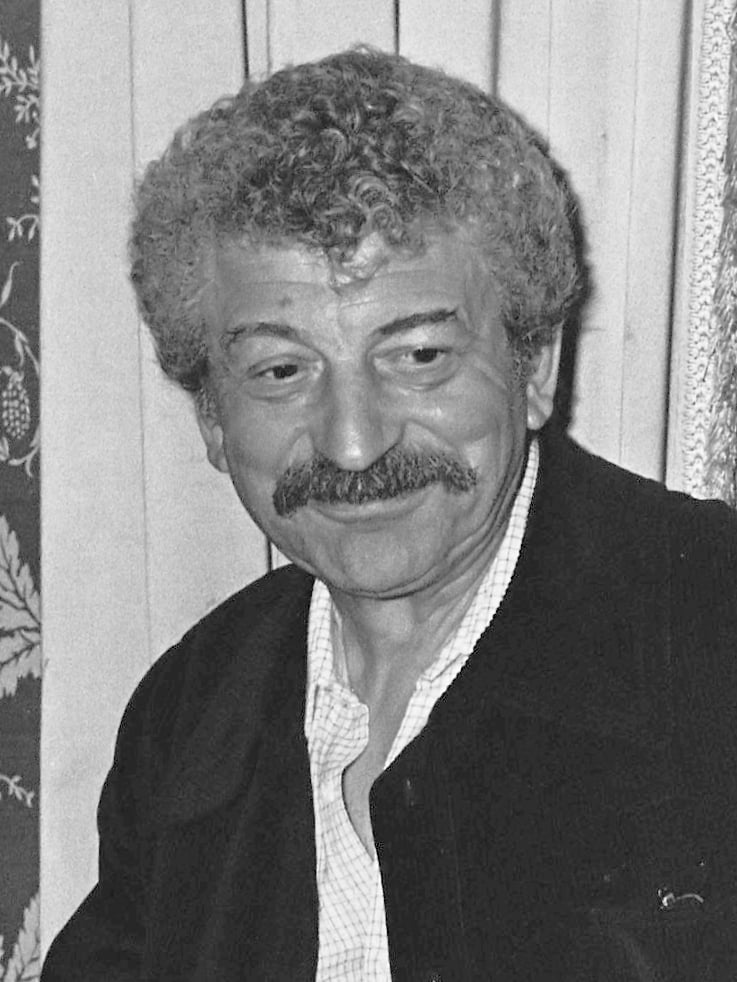
Yves Robert
Yves Robert was a French director, screenwriter, actor, and producer. Drawn to cinema, he landed his first major role thanks to Marcel Carné and went on to act in over 50 films, consistently demonstrating his talent as an actor. His interest then shifted to directing, and in 1951, he made his first short film with Claude Sautet as his assistant. He later directed Ni vu, ni connu in 1958, one of the earliest films to showcase Louis de Funès in a leading role. He quickly became a celebrated figure in French comedy, both critically and commercially. His 1961 film, La guerre des boutons, won the Prix Jean-Vigo, while Le grand blond avec une chaussure noire and Un éléphant ça trompe énormément brought him international acclaim. His adaptations of La gloire de mon père and Le château de ma mère achieved enormous success in France and abroad. In 1977, Nous irons tous au paradis was nominated for the César Award for Best Film.


#/media/Fichier:Yves_Robert_(1979).jpg)