Zoltán Huszárik's Experiments
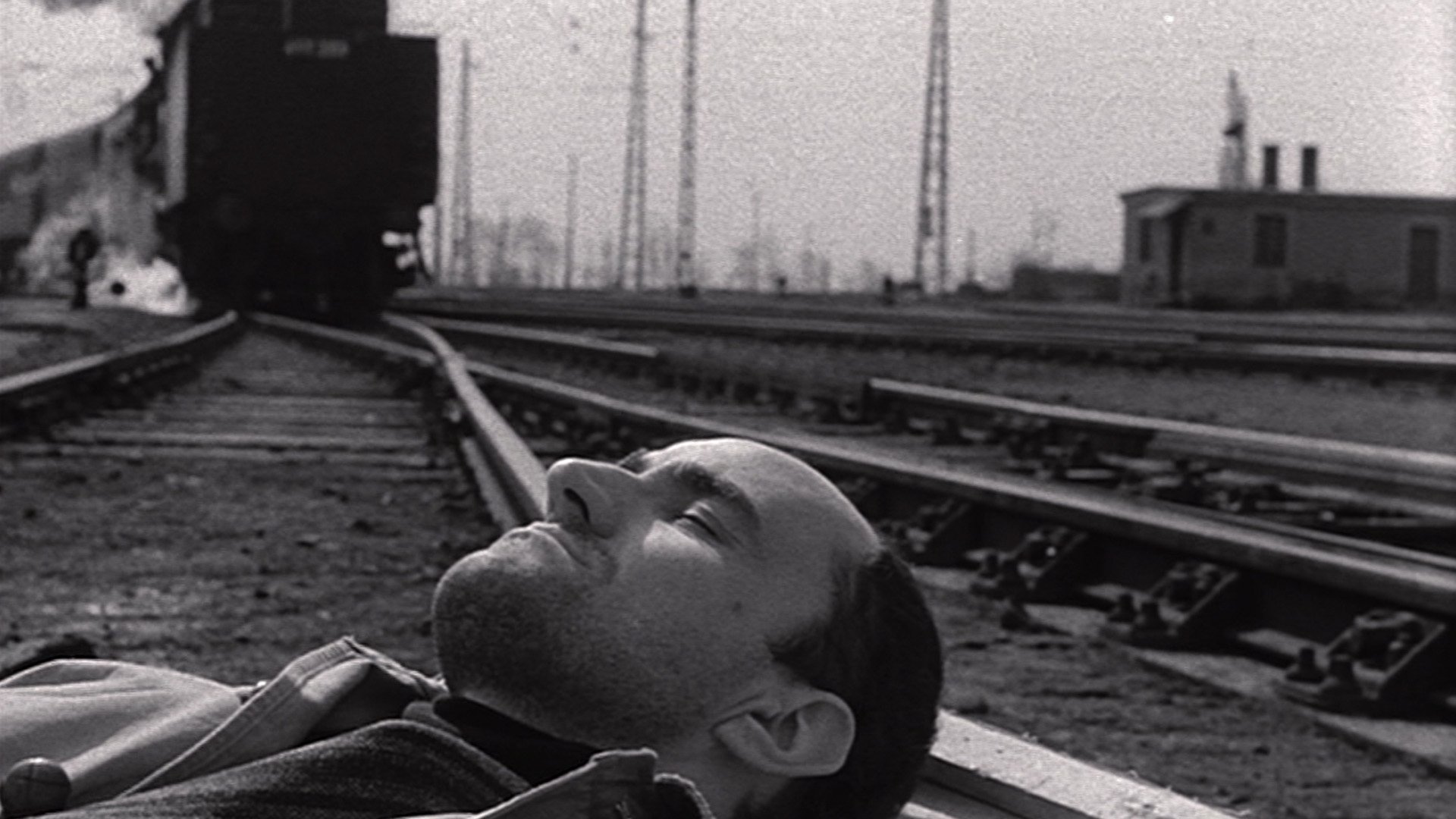
In the extensive restoration program of Hungarian film heritage led by the National Film Institute of Hungary (NFI), the films of these two filmmakers stand out for their uniqueness. After a few formidable offerings inspired by cinéma vérité, the former turned to a type of cinema influenced by American westerns, to the point of becoming the leader of a subgenre: the Goulash Western. The latter made a handful of magnificent experimental films and a masterpiece: Sinbad.
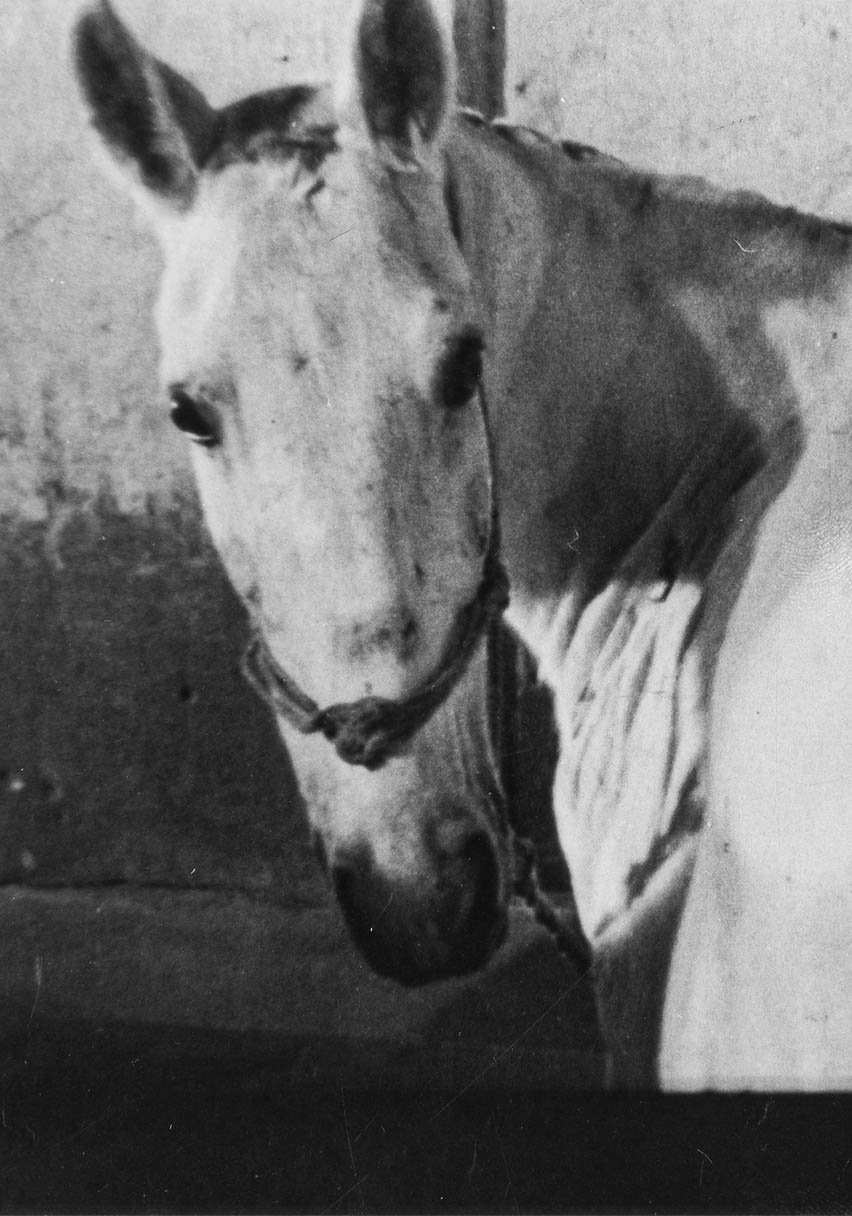
Zoltán Huszárik, who stood above ever-fluctuating fashions and cinematic trends, was looking for new cinematic solutions for his particular creative world. Elegy is a key milestone in this process. It is a unique motion picture experiment that created a new way of seeing things. The film was made in the Balázs Béla Studio that was always supportive of uncompromising experimentation. The concept was originally inspired by the 1963 poem Búcsúzik a lovacska (The Little Horse Says Goodbye) by Nagy László. The talented graphic artist Zoltán Huszárik produced numerous sketches prior to filming and the remarkable imagery of the work was worked out in collaboration with cinematographer János Tóth. (National Film Institute Hungary)
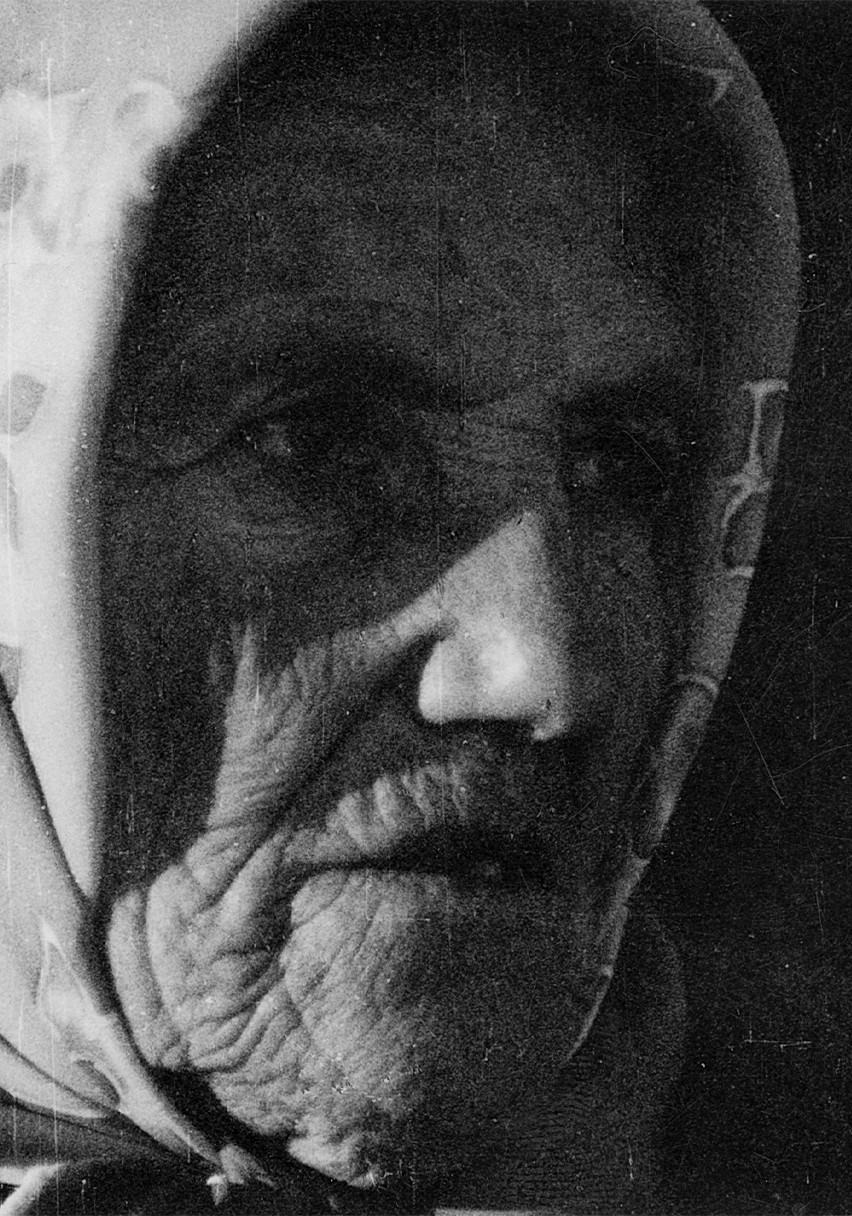
World wars pick their victims not only from those serving on the front line, women and mothers who have lost husbands and sons in battle also become victims. All that is left of loved ones are yellowing photographs, curling postcards from staging posts and crumbling graves – and a gaping loss shouldered over decades. Yet we rarely consider the grief of those who remained at home. This short by Zoltán Huszárik shares in this mourning. (National Film Institute Hungary)
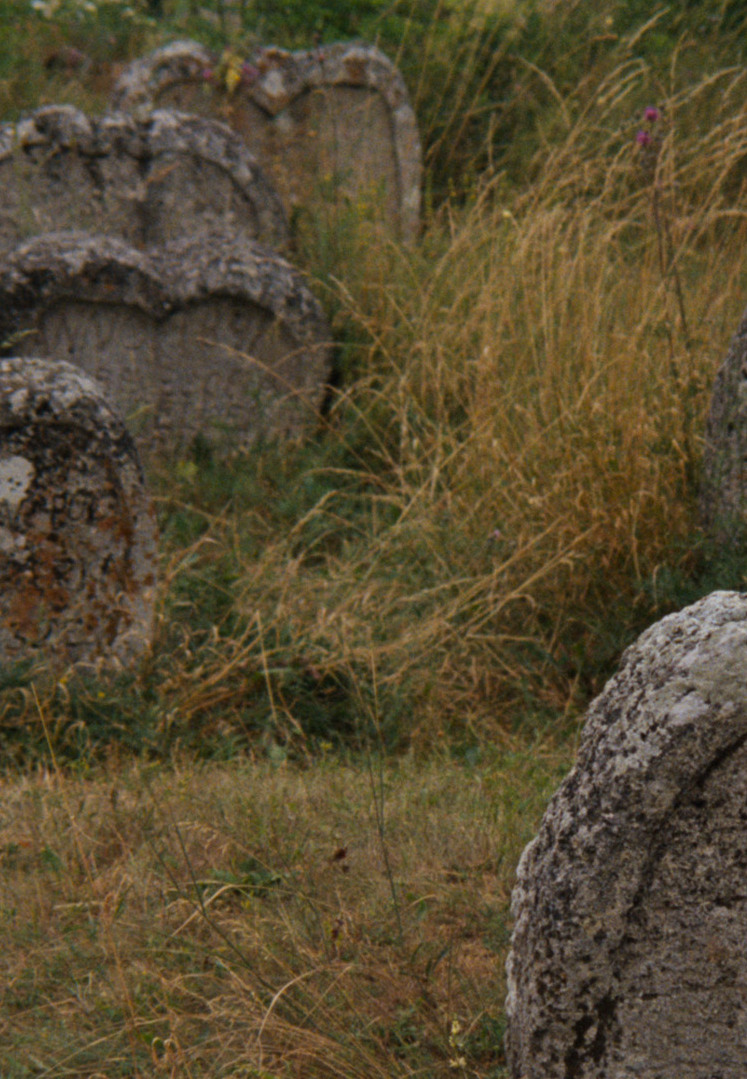
Horrors of 20th century history framed in grotesque. This is, in a nutshell, Zoltán Huszárik’s short, although here, too, the rich visuality and montage technique illuminating unexpected relations typical of the director opens up a broad associative space for the viewer. Our dehumanized civilization has mechanized death: battlefields and concentration camps extinguished tens and hundreds of thousands of lives. But while the people of the time had to get used to the sight of corpses, they lost the traditional culture of bidding farewell to the dead and mourning. (National Film Institute Hungary)
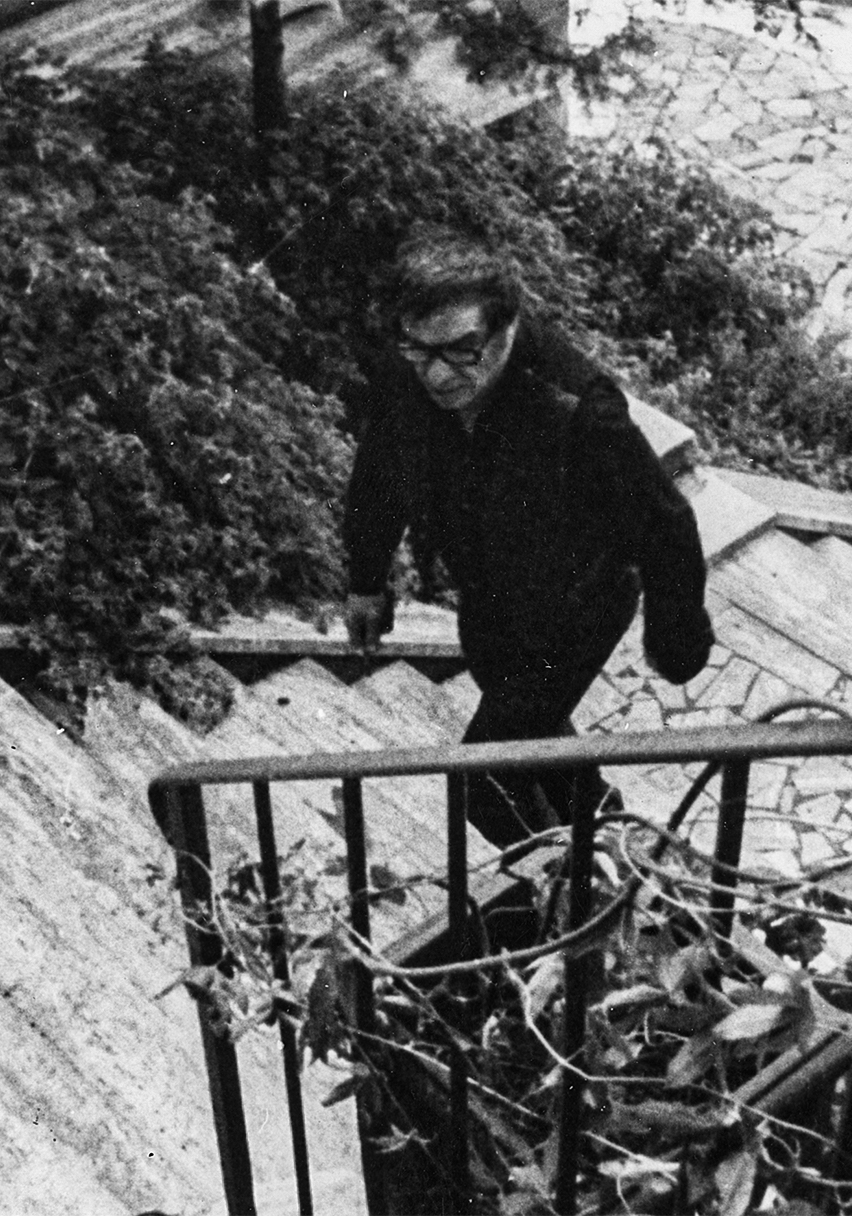
Zoltán Huszárik paints a lyrical portrait of the Hungarian-born sculptor Amerigo Tot, who achieved world fame in Italy. The associative short film focuses on the inspirations of creation, the relationship between man and his creative work, which are fed by the experiences of everyday life and the materiality of objects. The series of milestone works in his career are counterpointed by the episode when the artist returned to Hungary. Here, too, Huszárik worked together with János Tóth, who as cinematographer and editor contributed to the unique ambience of this portrait film, the audio-collage accompanying the images is the work of Péter Eötvös. (National Film Institute Hungary)
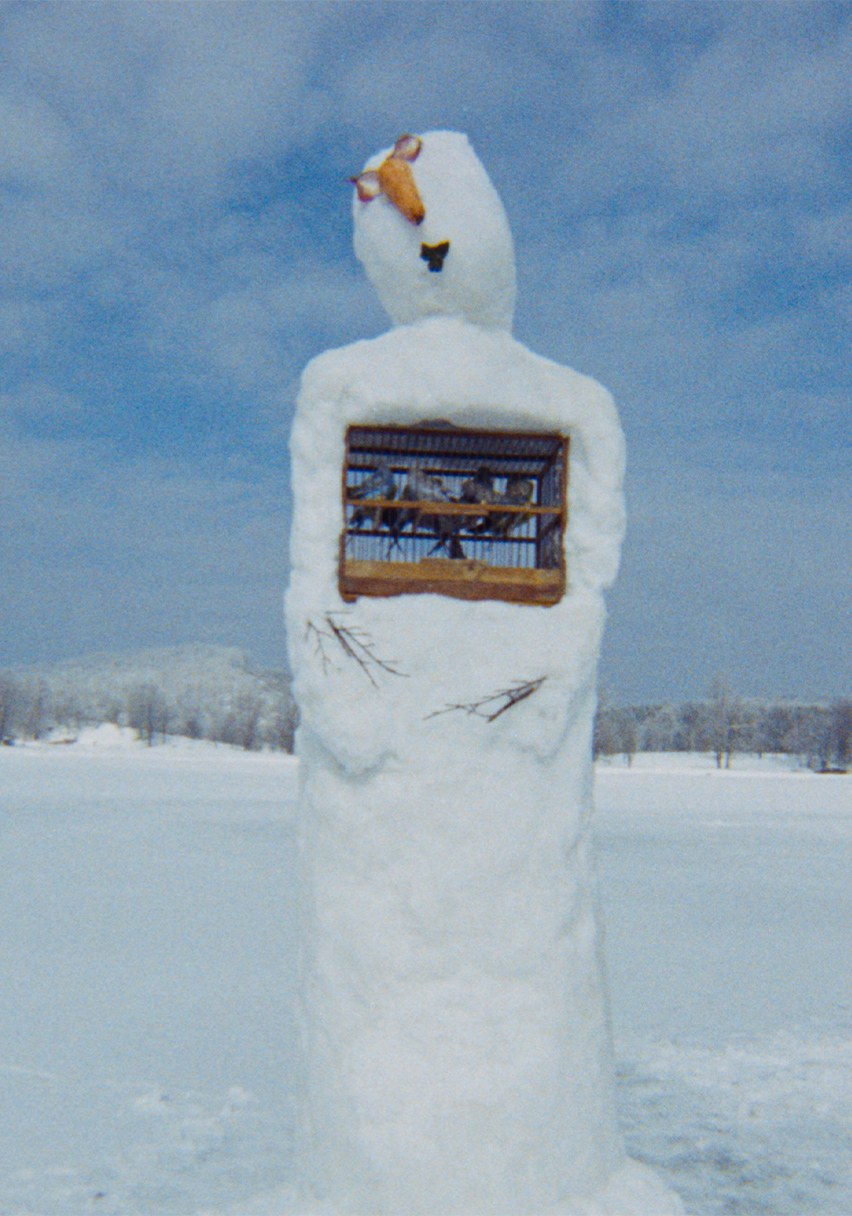
Birds, trees, clouds, the changing seasons – and snowmen. Images of birth, mortality and rebirth are intertwined in Zoltán Huszárik’s childishly wondering and at the same time agelessly wise short, which fits neatly in with the motif-search of Sinbad. Similarly to Elegy, the cinematographer here, too, was János Tóth, Zoltán Jeney created the audio-fabric that blurs the boundaries between noise and music, approaching concrete music. (National Film Institute Hungary)
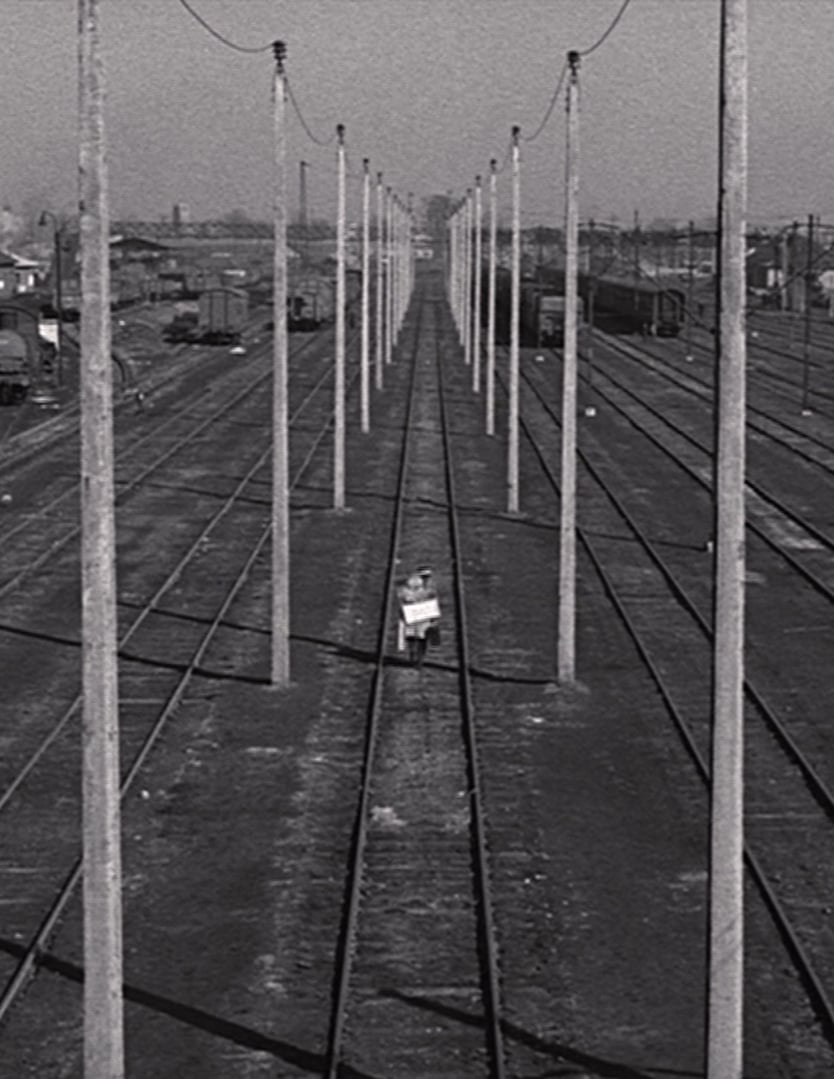
Zoltán Huszárik’s college diploma film starring János Koltai and Judit Halász. It is an allegory of life emerging from symbolic pictorial compositions as a continuous search for ourselves. A pulsating mixture of internal monologue, gesture language of acting and jazz makes this lyrical study revealing influences of Modernism an iconic work of its time. Sándor Sára acting as cinematographer and István Gaál as editor assisted the debuting director to bring his vision to the screen. (National Film Institute Hungary)
Zoltán Huszárik
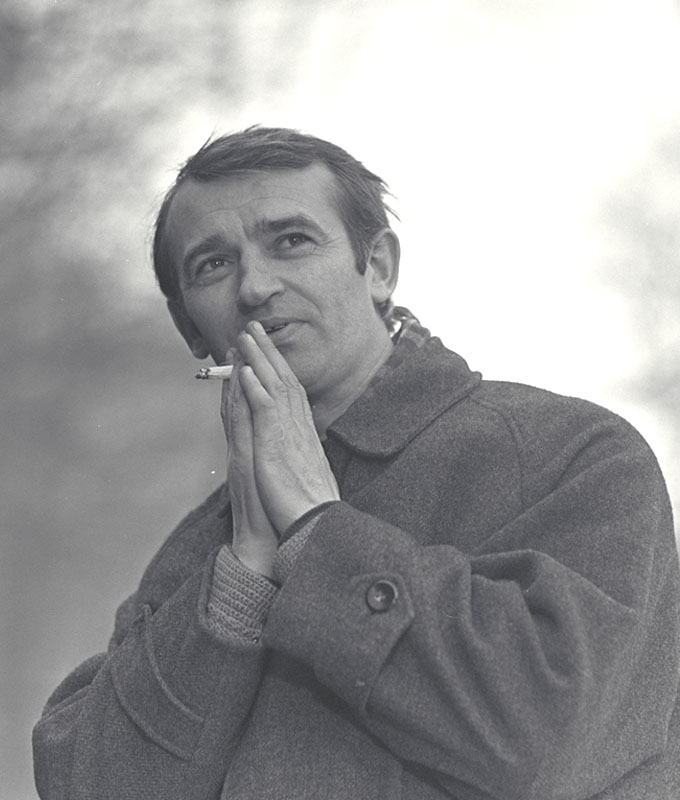
Zoltán Huszárik was a Hungarian film director and screenwriter. He graudated from the Hungarian School of Film and Theatrical Arts in Budapest in 1962. He exemplifies a trend in Hungarian cinema rooted in the pictorial arts. A painter and illustrator, he considered his films to be the culmination of his plastic art. His filmography also draws on deep-seated aspects of national tradition. Thus, his first short film, Elegy (1965), presents itself like a visual poem on the cycle of life and death of one of Hungary's ancient symbols: the horse. This work earned him international recognition. In Sinbad (1971), his first feature film, Huszárik brings back the main character from the works of the great Hungarian writer Gyula Krúdy and his quest for love. Csontváry (1980) is a moving tribute to the Hungarian naïve painter, Tivadar Kosztka Csontváry.
Explore
Presented in collaboration with