Preamble
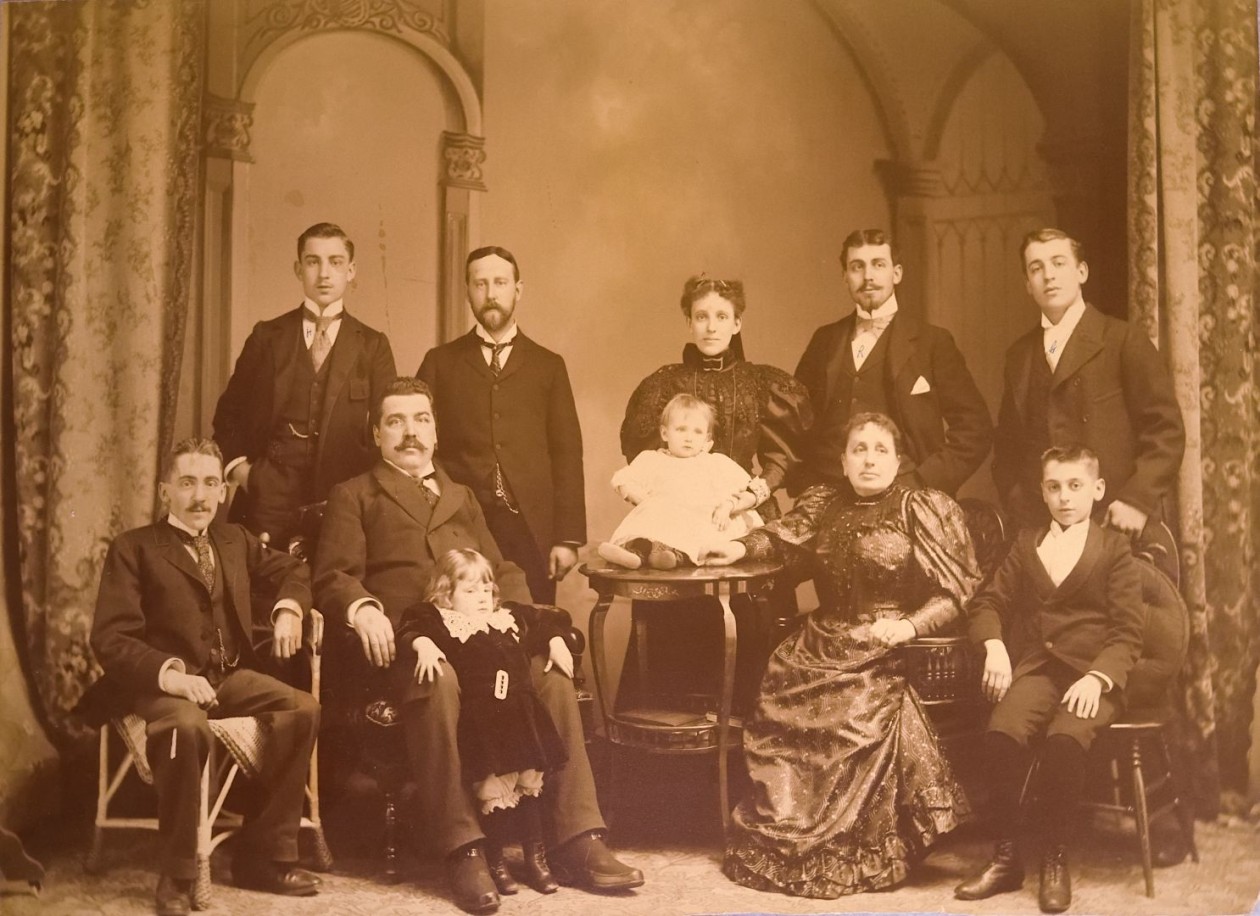
Raoul Barré and his family. Coll. Cinémathèque québécoise : 2006.0375.PH.01. Raoul Barré is second from the right, standing in the second row.
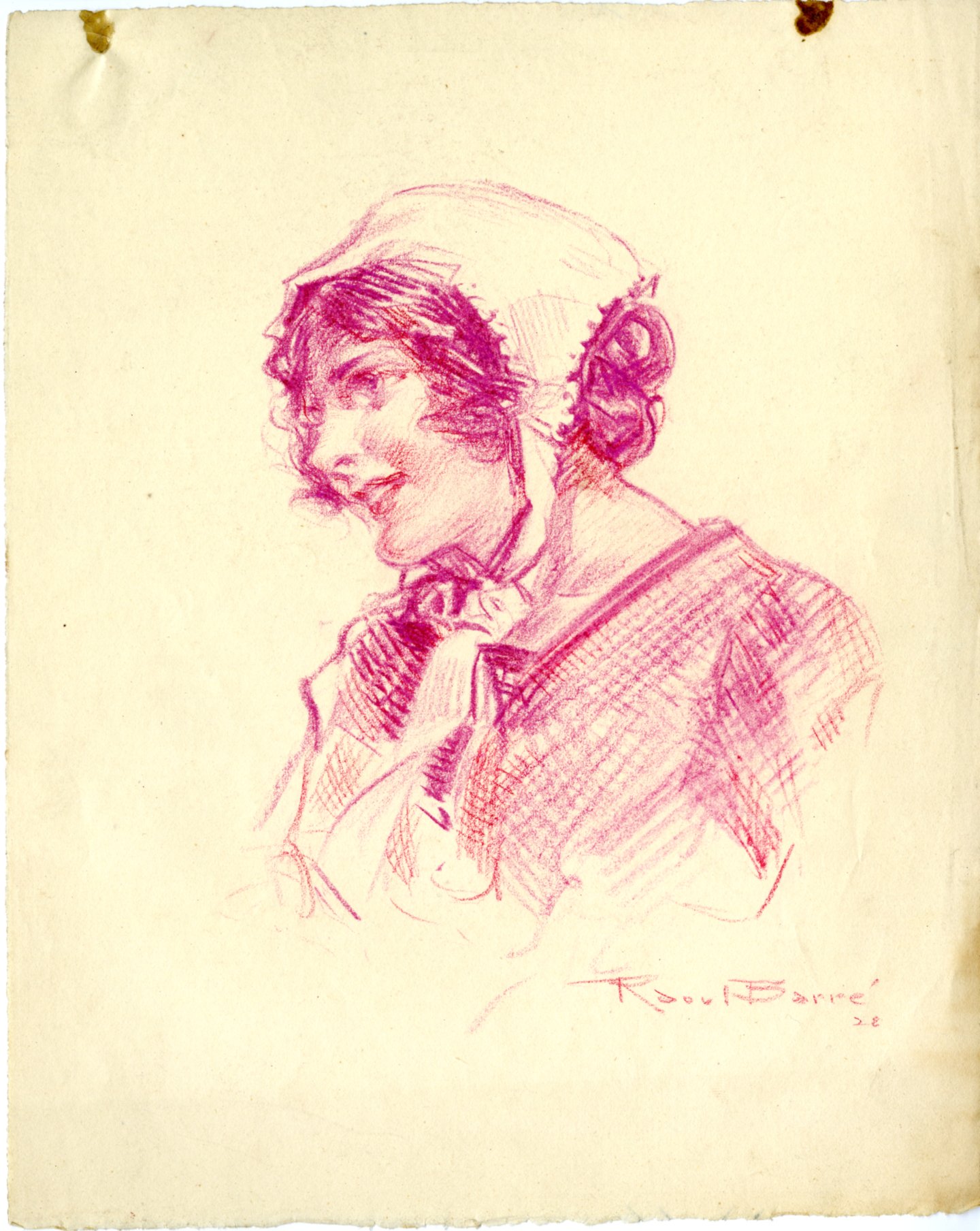
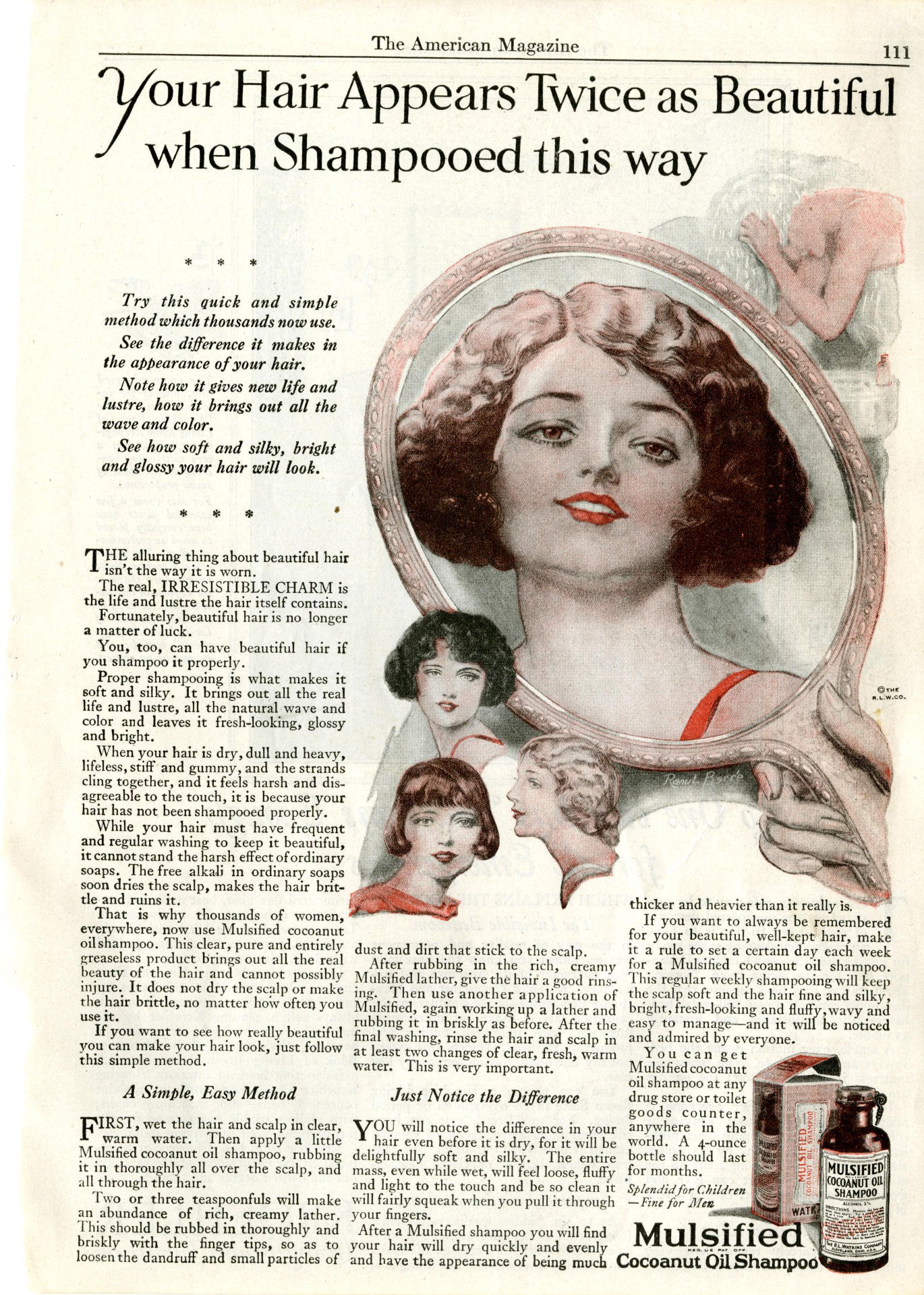
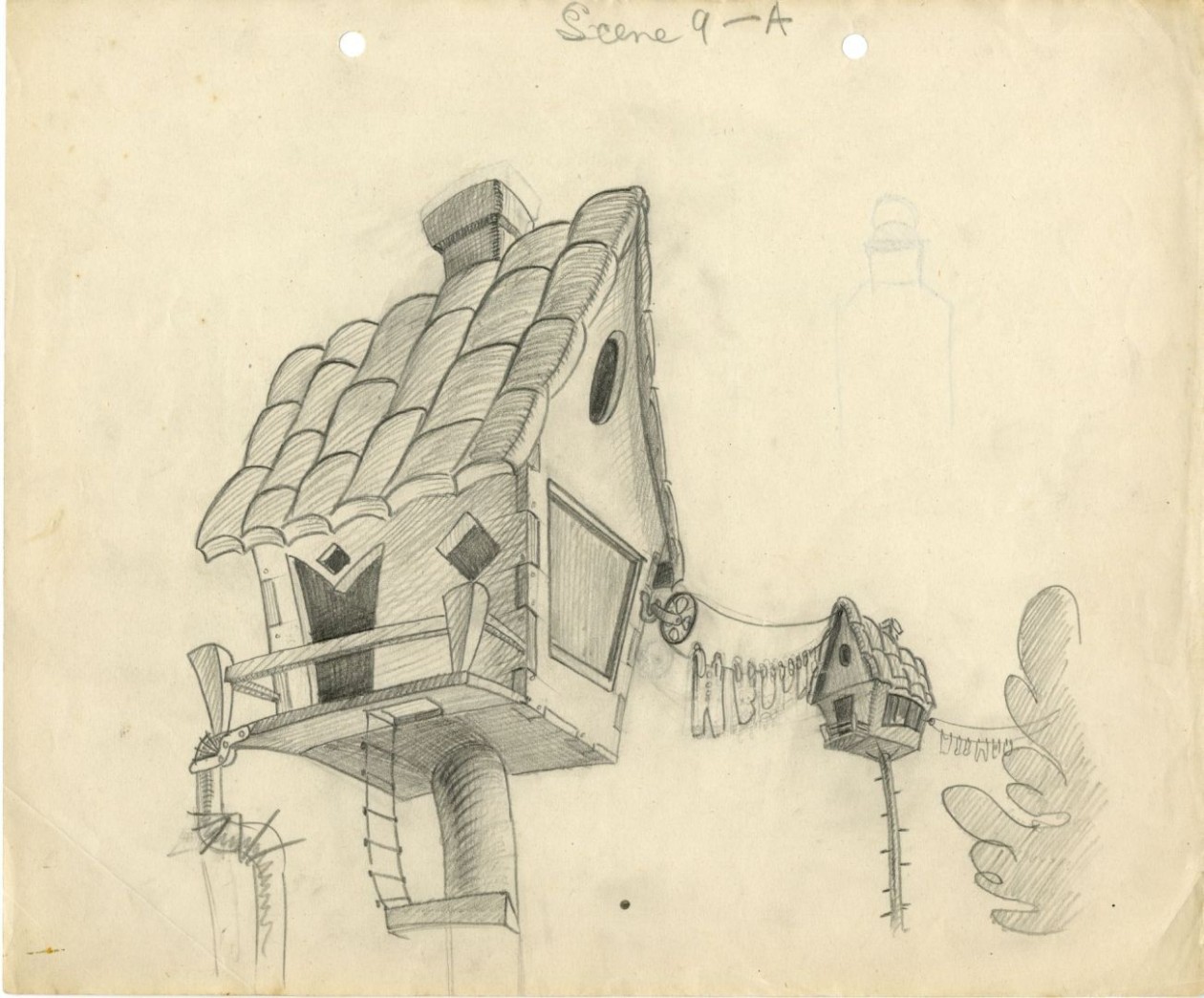
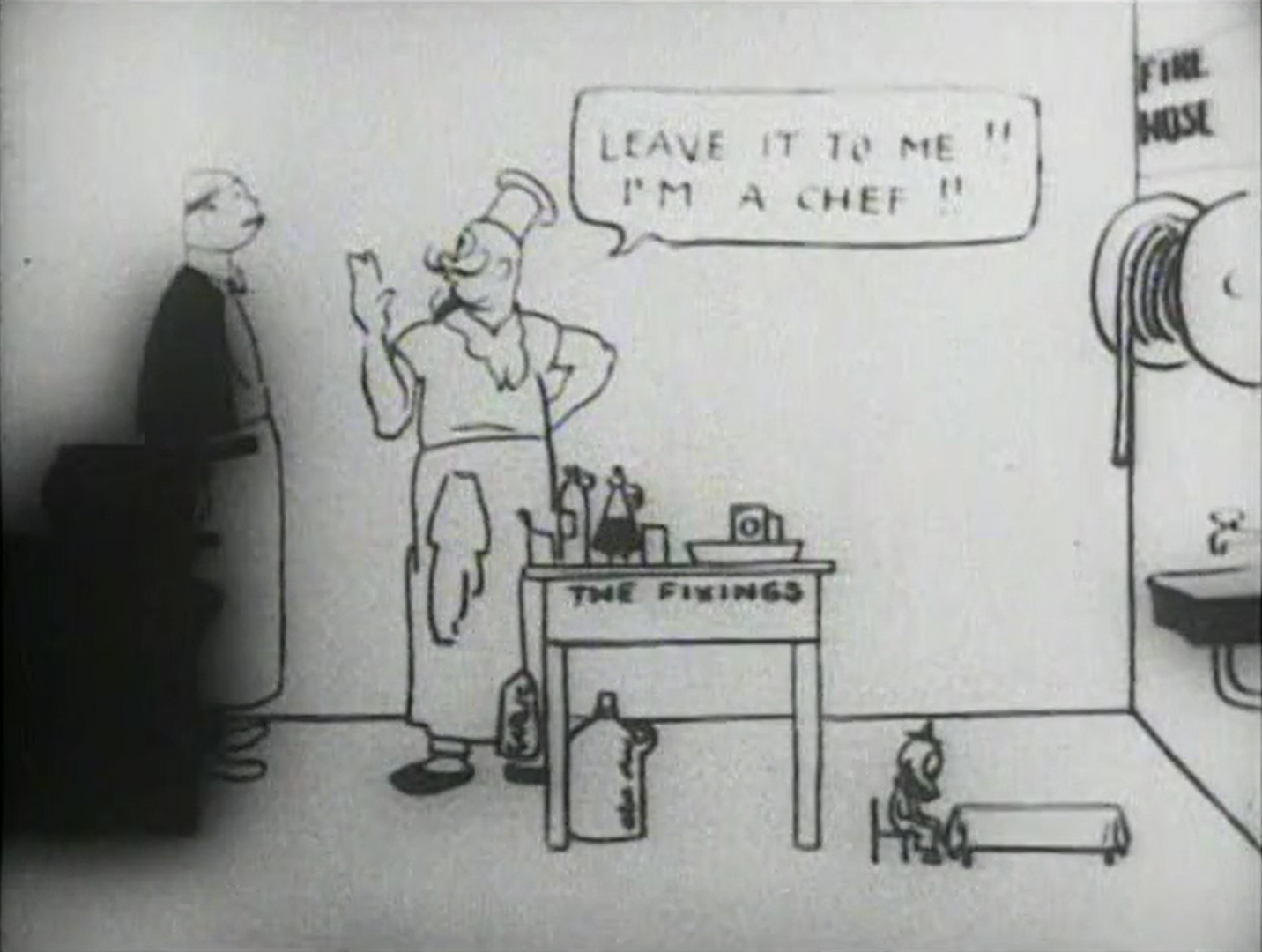
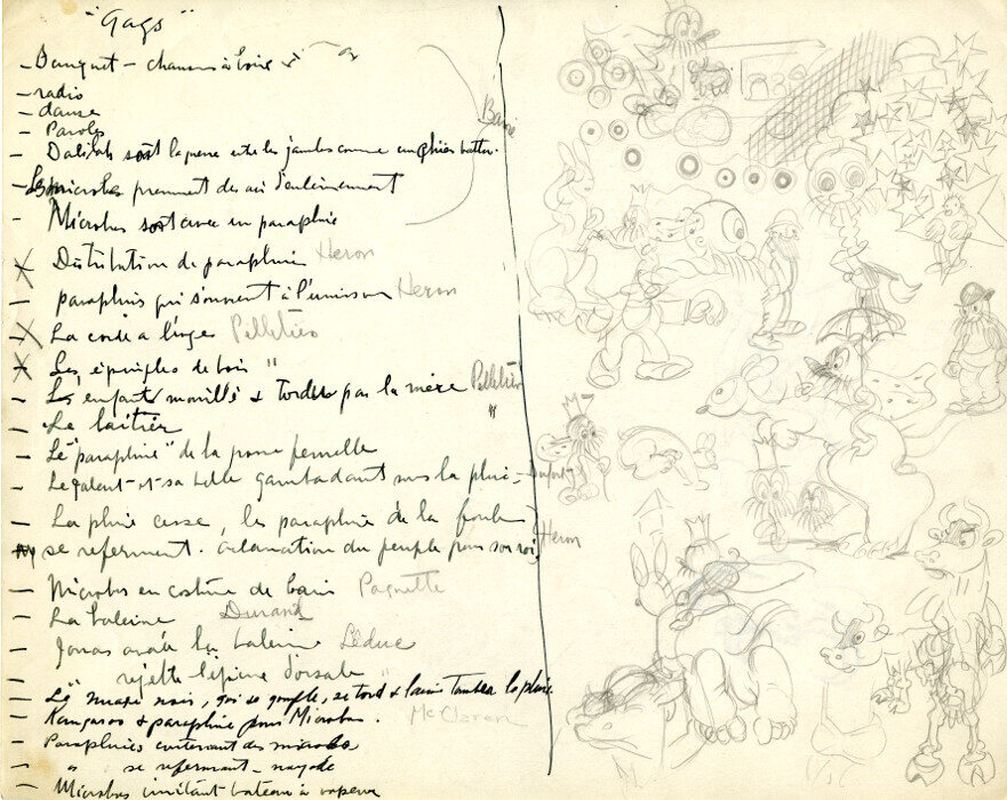
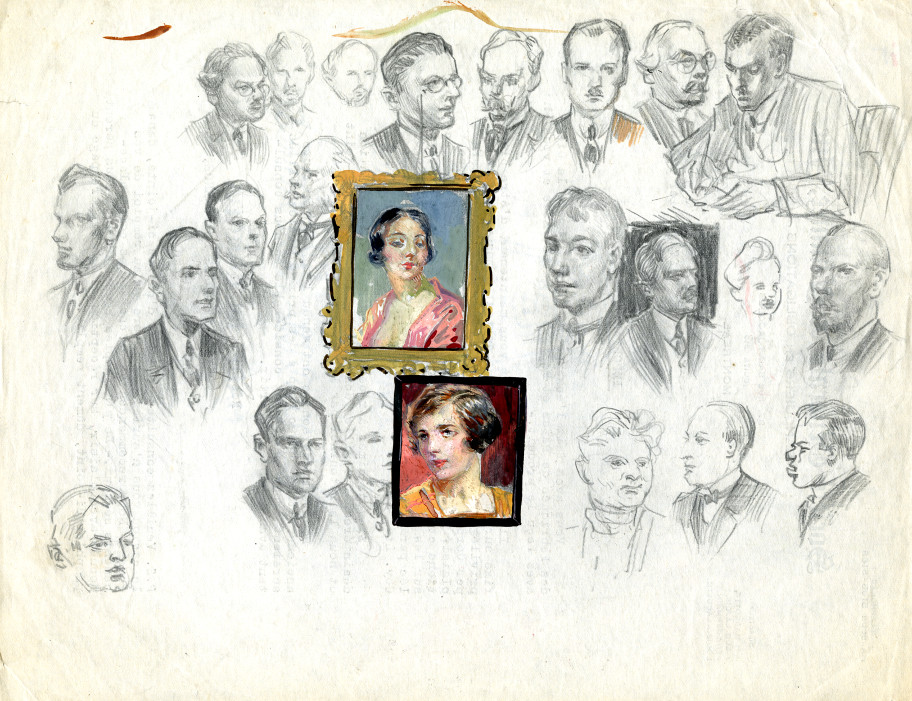
When the year 1900 arrived, Raoul Barré (1874-1932) bit into the new century with an appetite sometimes reminiscent of an epicurean, sometimes of a gastronome. The son of a bourgeois family who imported communion wine, this ambitious artist trained in Paris at the Beaux-Arts, this inventor of genius, this visionary and daring Quebecer, made his name in the places where modern ideas were emerging. Cinephiles know him as a pioneer of animation. A highly rated painter at art fairs, he also made his mark in publishing, participating in the rise of the mass-circulation press, and signing comic strips and caricatures. He was also a bon vivant, respected and loved by those closest to him.
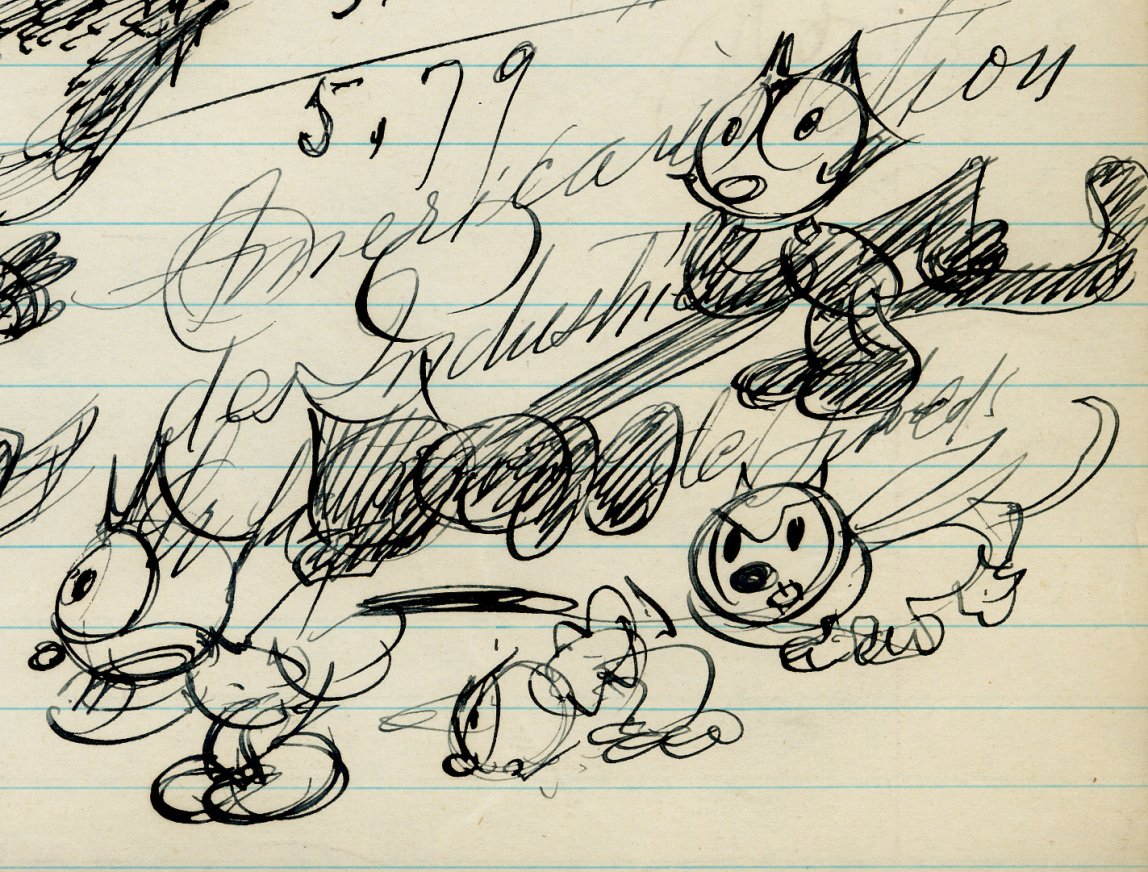
In 2004, the Cinémathèque québécoise presented a major exhibition devoted to all Barré's talents: painting, illustration, comics and cinema. The project was prompted by the acquisition of a major collection of documents and art drawings held by the filmmaker's niece, Madame Marie-Paule Barré (June 21, 1906 - December 08, 2009). This gift has given us a clearer picture of the artist's life. Furthermore, as Madame Barré had spent time in New York in 1927, and had seen her uncle working in the studio of Pat Sullivan, producer of Felix the Cat, she became a valuable witness in our eyes.
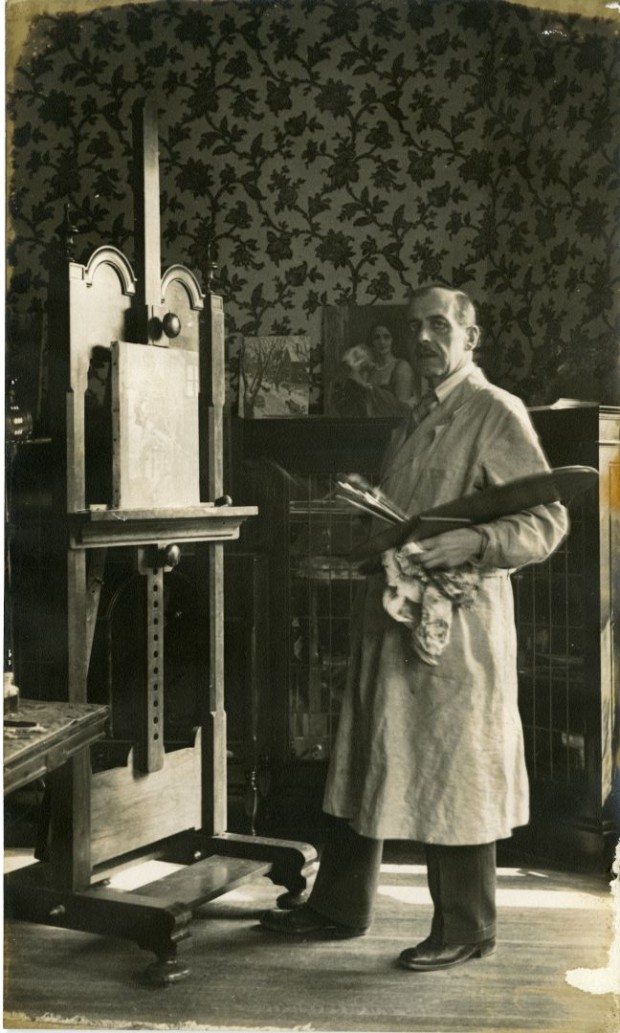
Raoul Barré at his easel. Coll. Cinémathèque québécoise : 2006.0371.PH.01
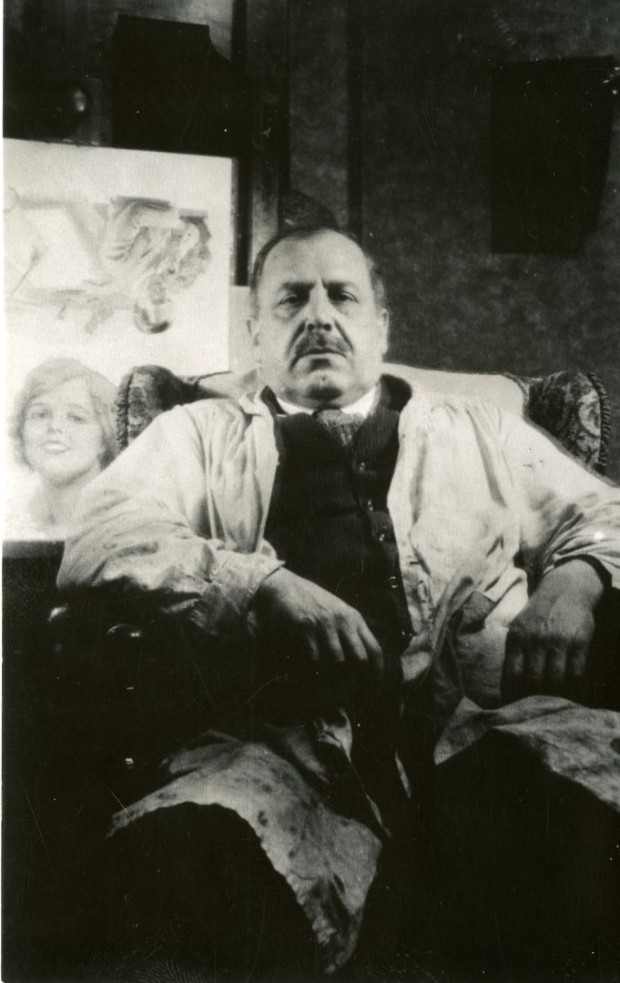
Photo of Raoul Barré. Coll. Cinémathèque québécoise : 2000.2339.PH.01
Since Barré travelled extensively, constantly moving from one discipline to another, and since both the "noble" and the "popular" arts were part of his career, he has rarely had the benefit of a comprehensive biography. Studying Barré requires drawing on the knowledge of specialists in several disciplines, in order to take a global, cross-disciplinary look at the work.
This dossier is an expanded version of the biography we published for the 2004 exhibition. For the fine arts section, we called on art historian Laurier Lacroix.