Back in Montreal in 1927, Raoul Barré embarked on bold, innovative projects.
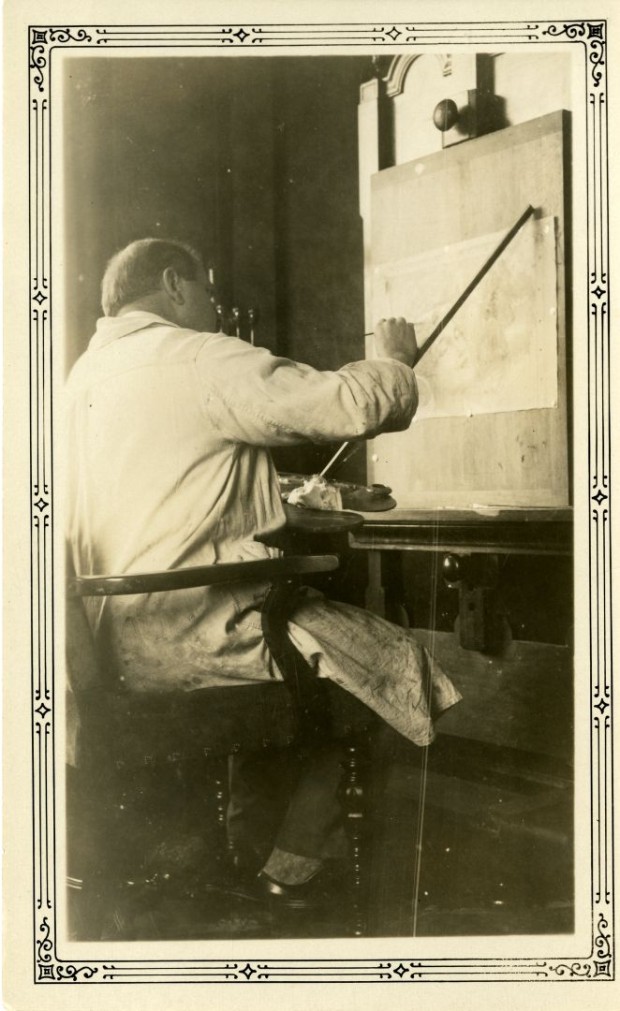
Convinced that animation could have pedagogical virtues, he developed an illustrated scenario for a project entitled Le Tourisme dans Québec (Tourism in Quebec City), aimed at helping people understand the relevance of developing foreign tourism, "an industry destined to spread millions of dollars throughout the province". He also asked Brother Marie-Victorin of the Université de Montréal to animate scientific diagrams in educational films about botany and the natural sciences.
The Microbus 1st project also had an educational aspect, but Barré took it in a completely different direction. Microbus is first and foremost a cartoon character, whom Barré describes as the "imperishable ruler of successive generations of microbes", and whose adventures are full of burlesque and satirical gags. To bring the film to fruition, Barré founded the Educational Art and Film Co. of Montréal, a kind of private school where students learned the rudiments of celluloid animation while working on a specific project. We don't know the identity of the students Barré hired. However, a document found in the archives bequeathed by Marie-Paul Barré seems to indicate a division of tasks among the students, whose surnames only appear.
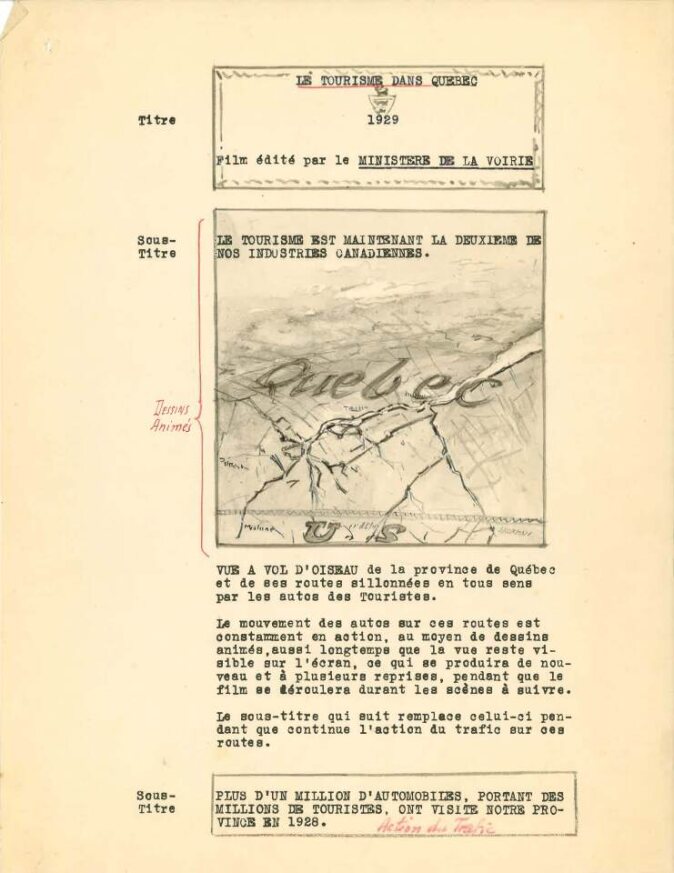
Le tourisme dans Québec (unfinished project), storyboard by Raoul Barré, 8 pages. Coll. Cinémathèque québécoise : 2005.0548.06.SC
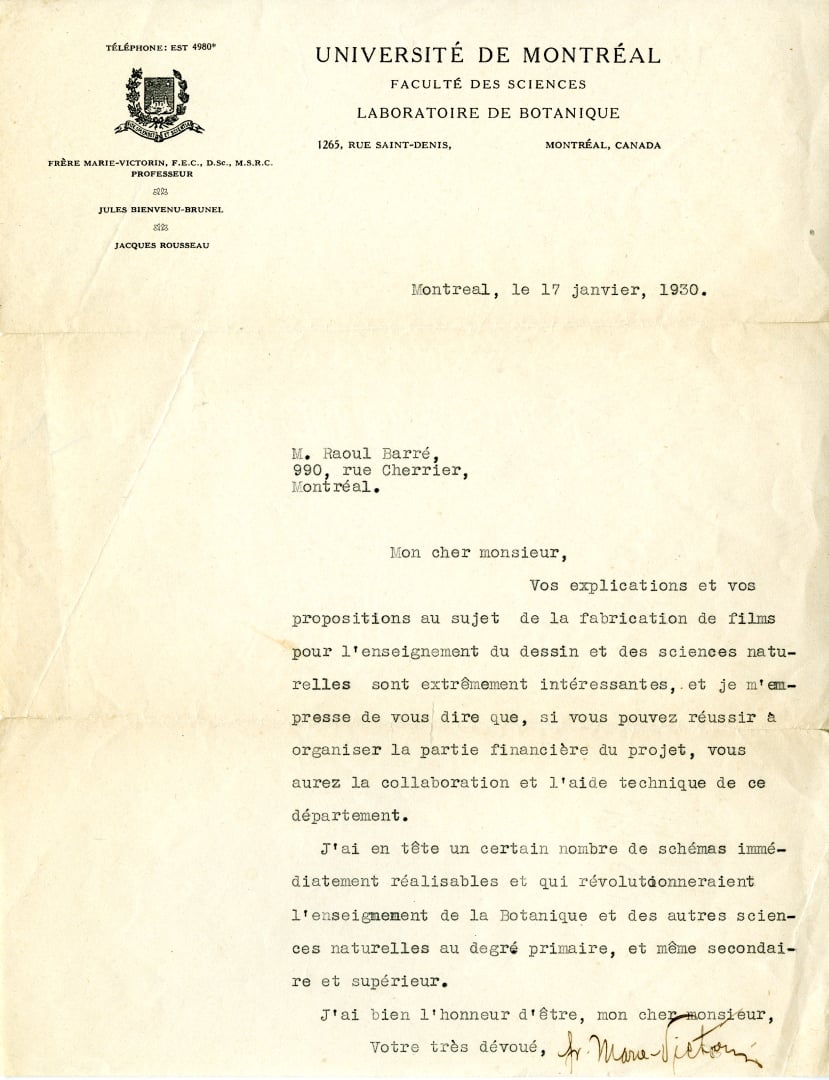
Frère Marie-Victorin's reply letter regarding Barré's project to animate natural science diagrams. Coll.Cinematheque Quebecois. 2005.0548.07.AR.01
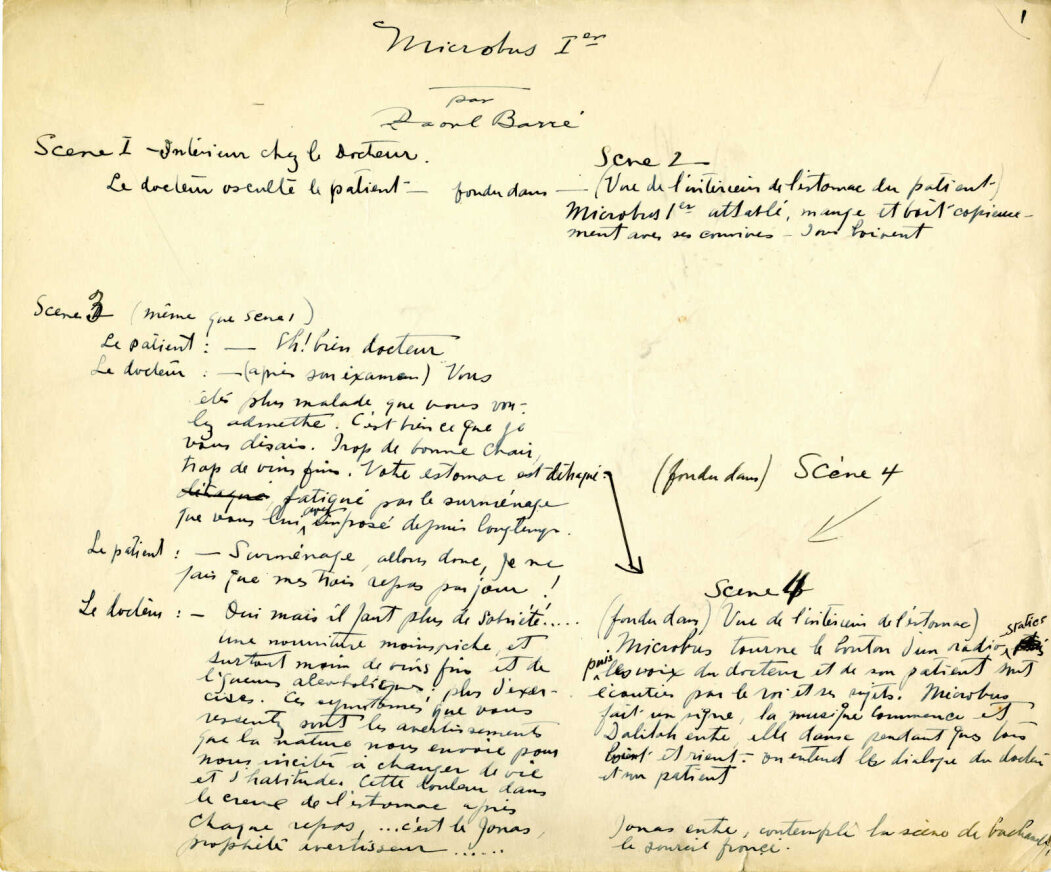
Handwritten script for the animated film project Microbus 1st (unfinished). 30 pages. Coll. Cinémathèque québécoise : 1987.0543.06.SC
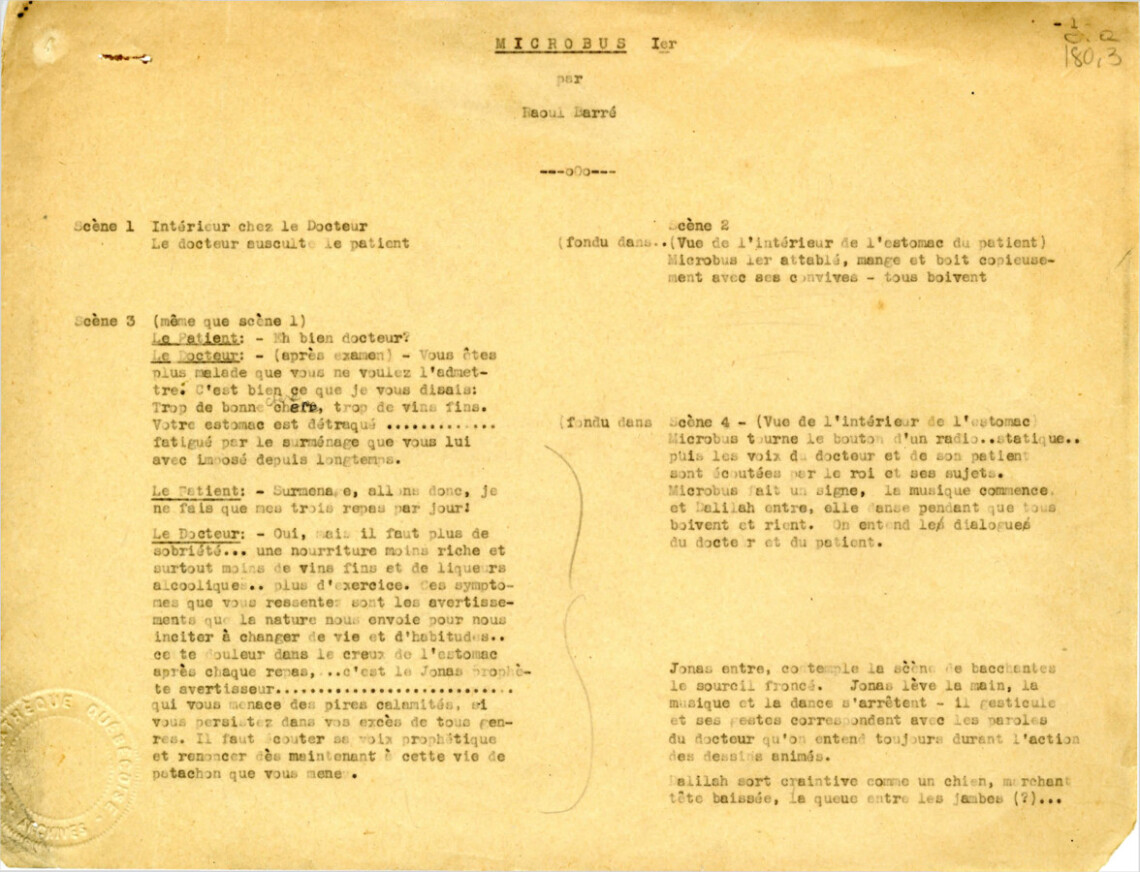
Typed script by Raoul Barré for the film animation project Microbus 1er (unfinished). 34 pages. Coll. Cinémathèque québécoise : 1987.0180.03.SC
Raoul Barré had the idea of co-producing Microbus 1er in France, relying on the complicity of his brother Hercule, the Canadian government's trade commissioner in Paris, to make the necessary arrangements.
The script of this unfinished work and the multitude of sketches, sets and studies Barré had drawn heralded a promising work, full of graphic fantasy and visual discoveries, with a zany, irreverent sense of humor.
Another Raoul Barré achievement, unsubstantiated due to lack of evidence, is said to be the creation of a series of stained glass windows for a church in New York (mentioned by Martin and Beaudet in Barré l'introuvable). Barré is also said to have designed and built an allegorical float for the Saint-Jean-Baptiste Day parade in Montreal shortly before his death. Indeed, the costs of this operation are detailed in one of his notebooks in the form of a budget.
Stricken with cancer, he died in 1932 before he could complete the project. The archives he left behind bear witness to his avant-garde spirit.
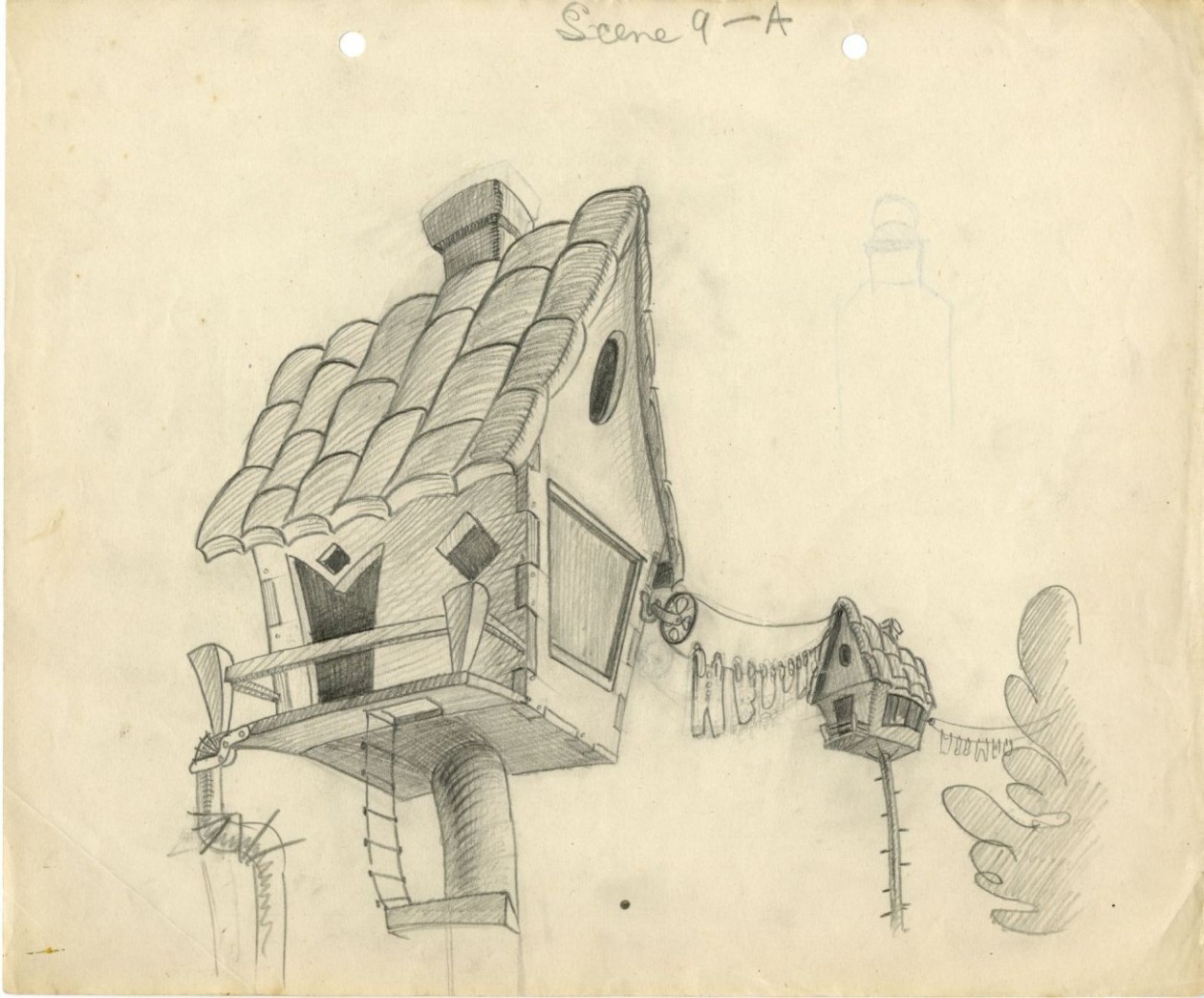
Drawing by Raoul Barré for the animated film project Microbus 1st. Coll. Cinémathèque québécoise : 1993.0134.01-05.AN
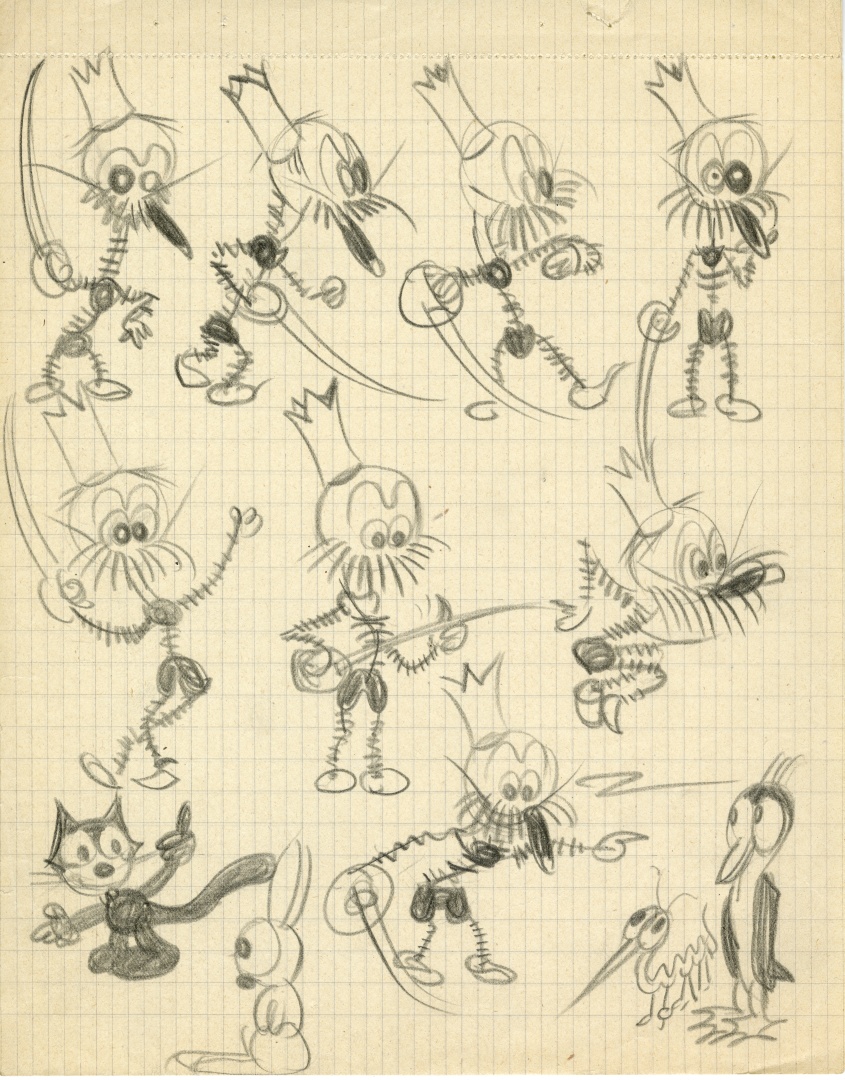
Sketches of various characters by Raoul Barré. Coll. Cinematheque québécoise. 1999.0097.01.AN.22
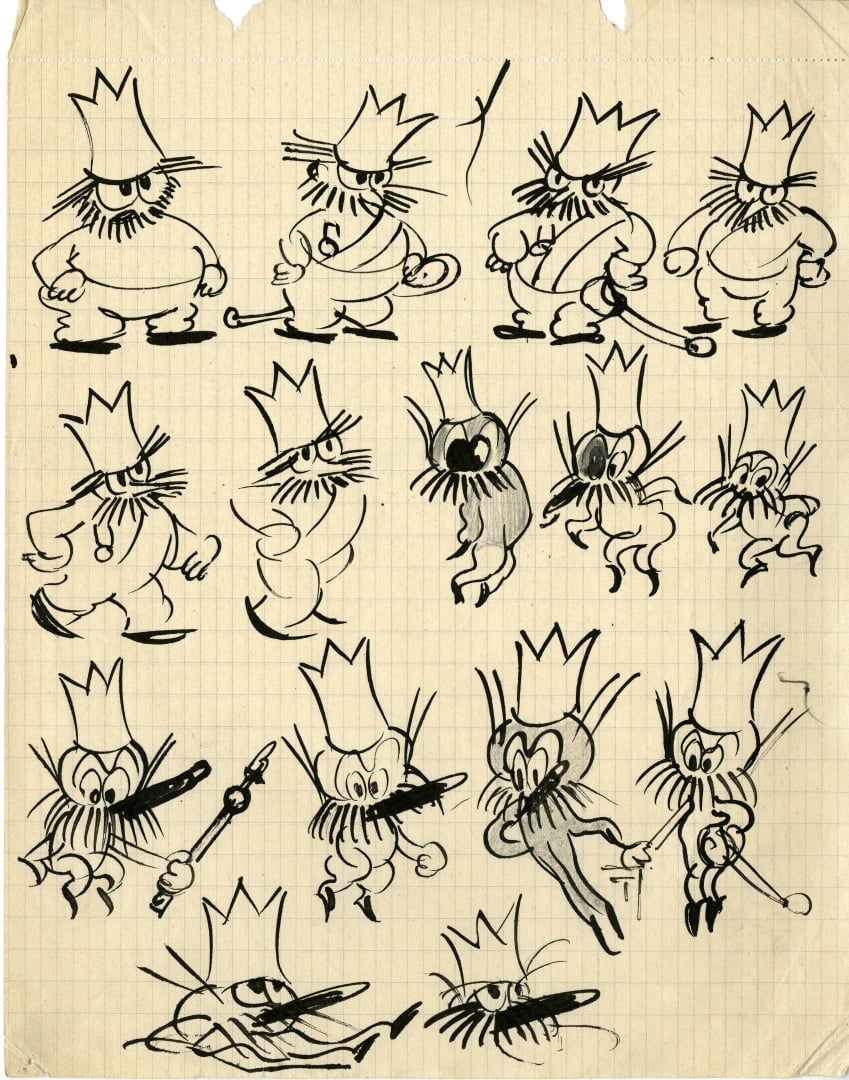
Sketches of Microbus 1er charater by Raoul Barré. Coll. Cinémathèque québécoise. 1999.0097.01.AN.22.