Joyce Wieland: classics and new restorations
To coincide with the exceptional circumstances of hosting the annual congress of the International Federation of Film Archives (FIAF), we are offering a program highlighting the strengths of our collections and our mandate: animated film gems, world premiere commissioned works, newly restored features, documentaries devoted to heritage questions and the reuse of archives.
This accomplished visual artist and filmmaker is one of the leading figures of North American experimental cinema of the 1960s. Since we preserve all her films, we have partnered with the Montreal Museum of Fine Arts and the Art Gallery of Ontario to restore, for the very first time, some of her key titles.
The two museums are currently presenting a retrospective of her visual works. This program is an opportunity to discover an artist whose singular approach is part of the experimental cinema movement of the East Coast of the 1960s, sensitive to the effervescence of structural cinema and the struggle for civil rights. During the same period, she also tackled the issue of Quebec and Canadian nationalism in a number of audacious films.
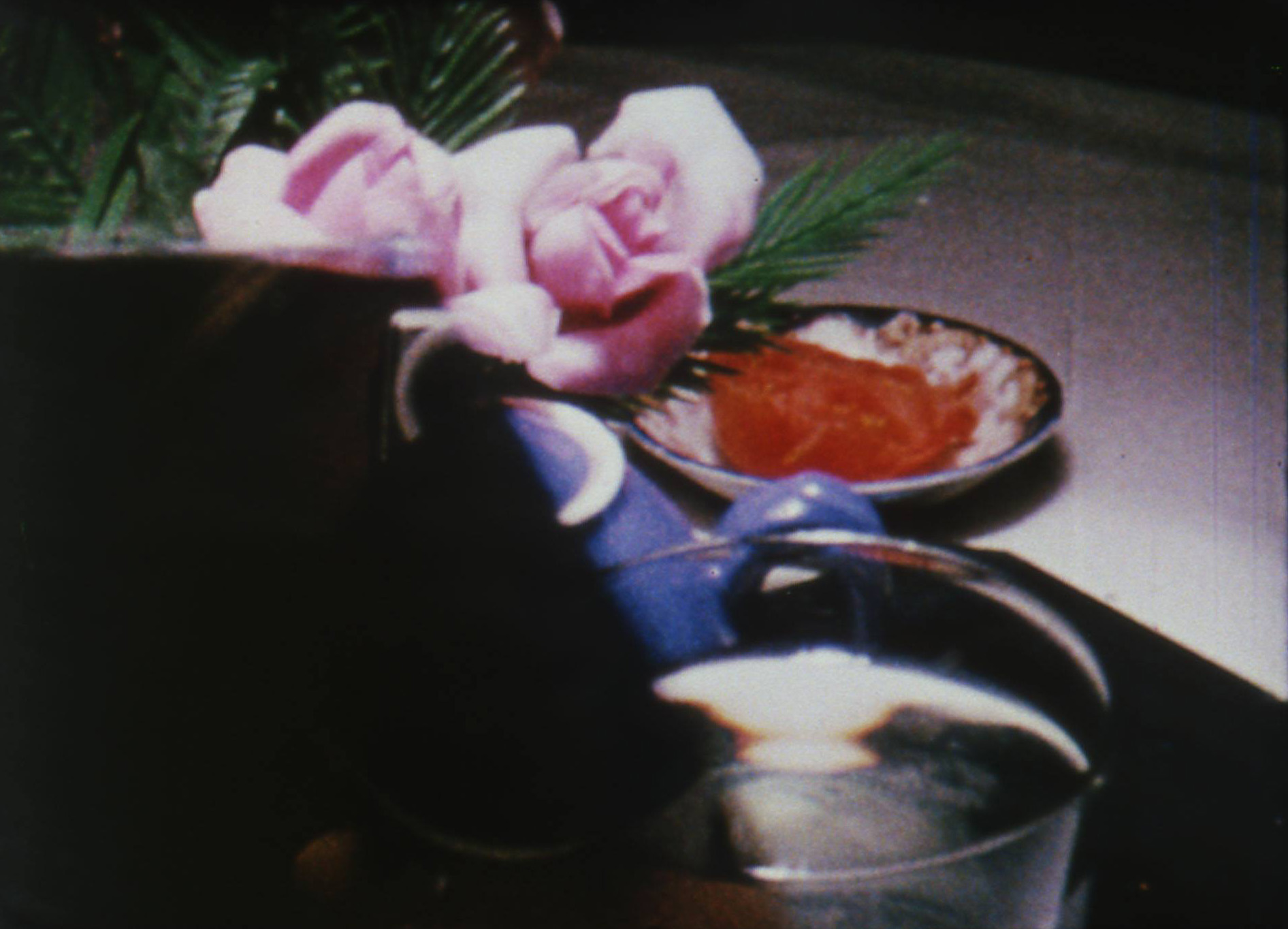
“I decided to make a film at my kitchen table, there is nothing like knowing my table. The high art of the housewife. You take prisms, glass, lights and myself to it. 'The Housewife is High.' Water Sark is a film sculpture, being made while you wait.” (Joyce Wieland)
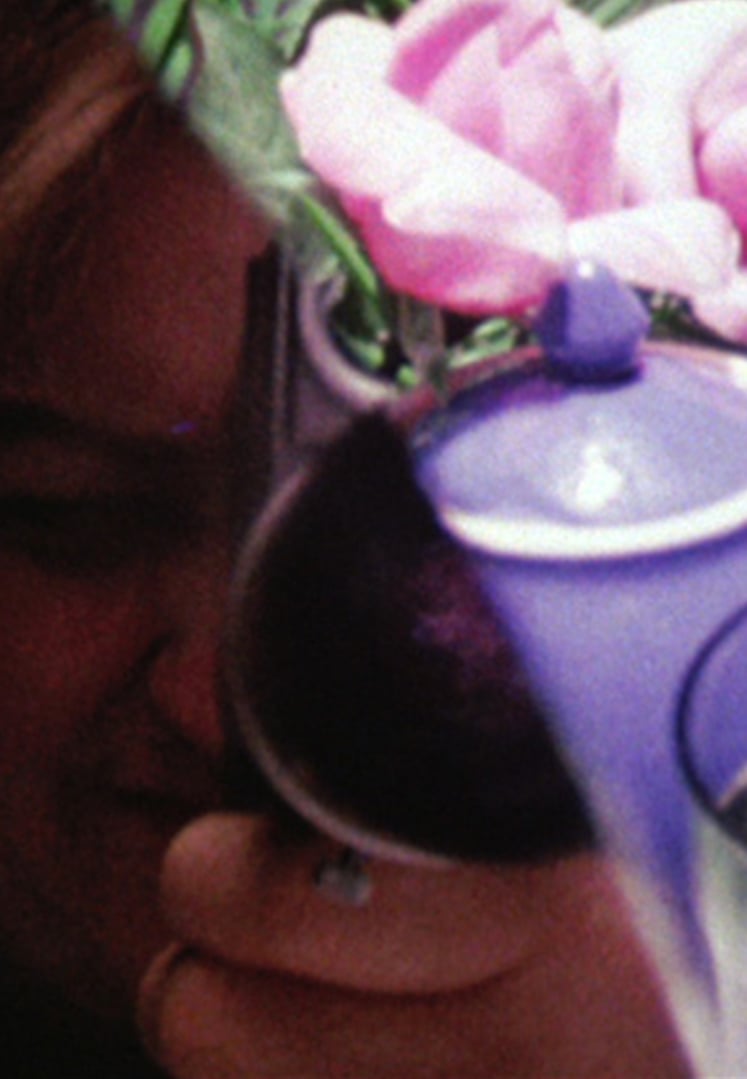
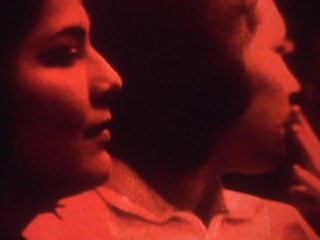
Handtinting is the apt title of a film made from outtakes from a Job Corps documentary which features hand-tinted sections. The film is full of small movements and actions, gestures begun and never completed. Repeated images, sometimes in colour, sometimes not. A beautifully realized type of chamber-music film whose sum-total feeling is ritualistic. (Robert Cowan)

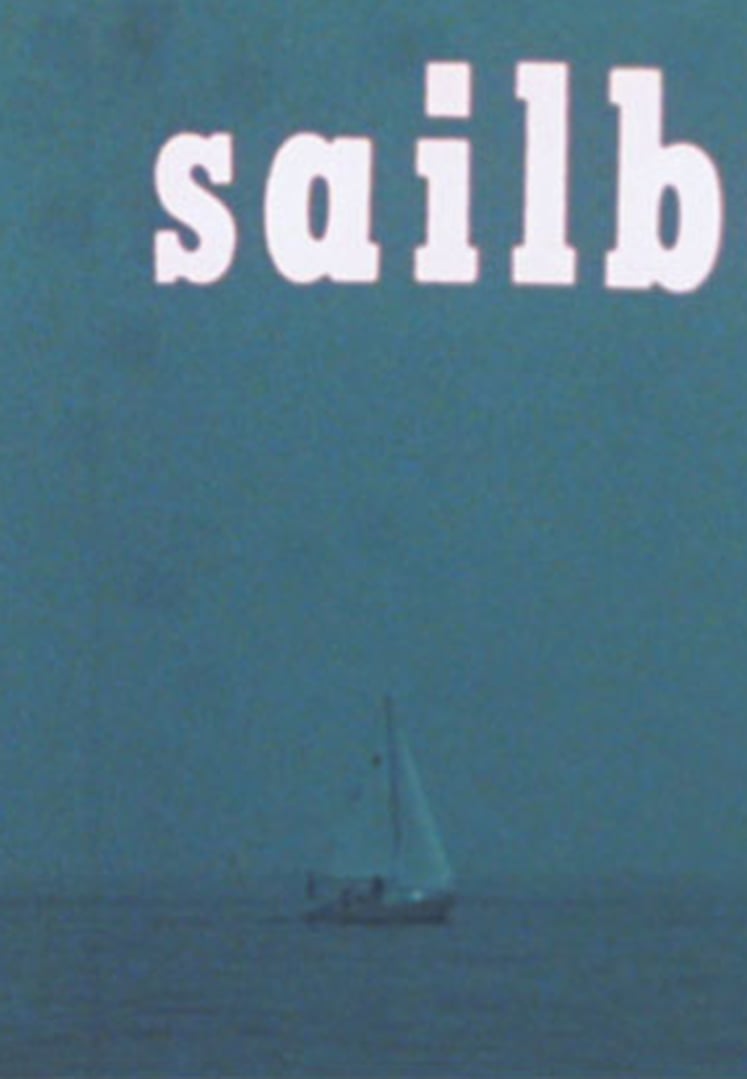
Sailboat has the simplicity of a child's drawing. A toy-like image of a sailboat sails without interruption on the water, to the sound of roaring waves, which seems to underline the image to the point of exaggeration, somewhat in the way a child might draw a picture of water and write word sounds on it to make it as emphatic as possible. The little image is interrupted at one point by a huge shoulder appearing briefly in the left-hand corner. (CFMDC)
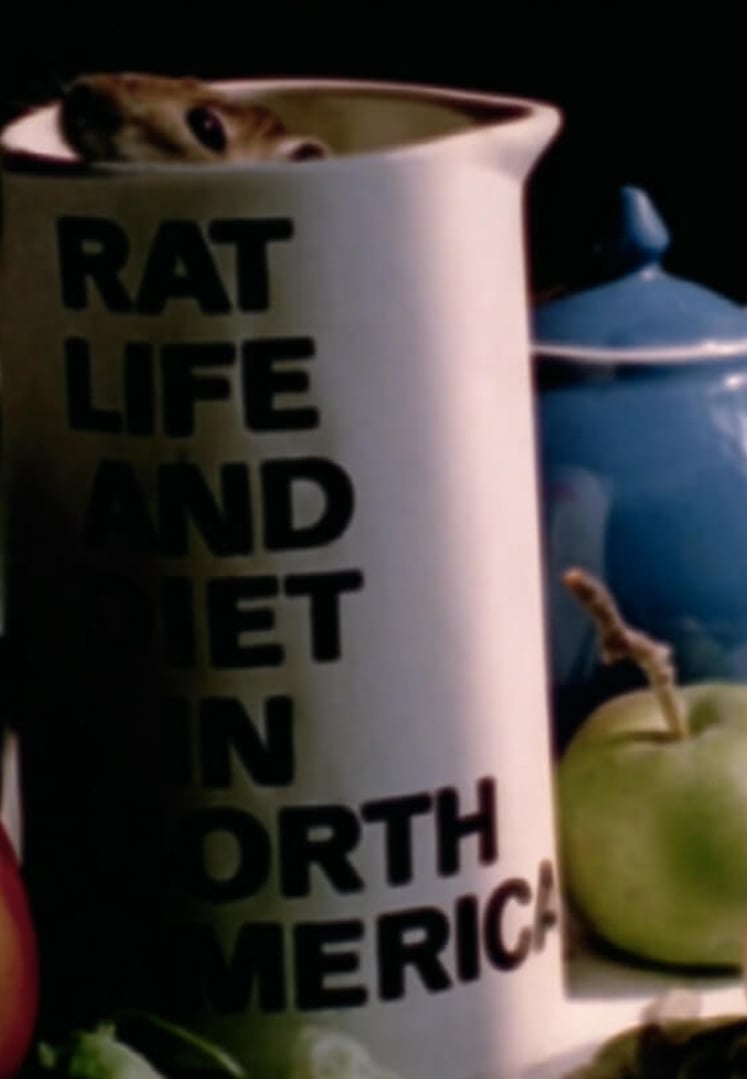
The film is not just a parable of oppression and rebellion, but also an incisive comment about the dangers of U.S. imperialism - cultural or otherwise. (TIFF Cinematheque)
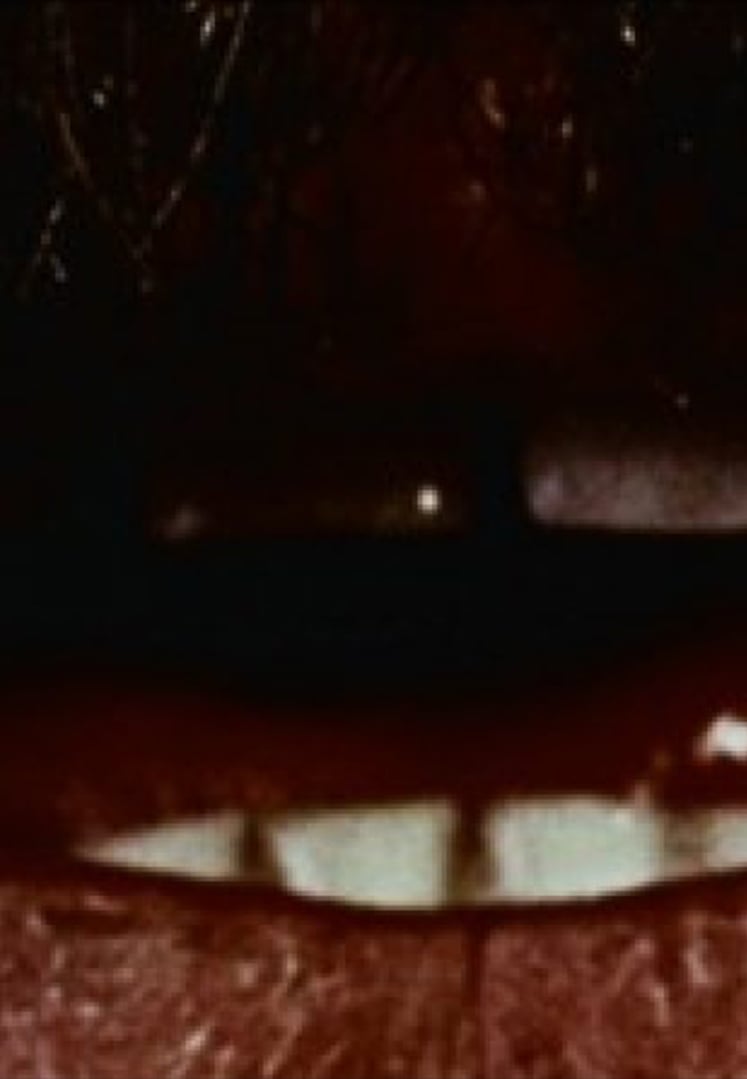
“He delivered three essays, without stopping, except for reel change and camera breakdown: 1) Mont Laurier; 2) Quebec history and race; 3) women's liberation. Everything which happened is recorded on film. It was a one-shot affair, I either got him on film or I missed. What we see on film is the mouth of a revolutionary, extremely close, his lips, his teeth, his spittle, his tongue which rolls so beautifully through his French, and finally the reflections in his teeth of the window behind me.” (Joyce Wieland)
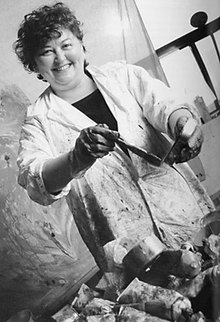
Joyce Wieland
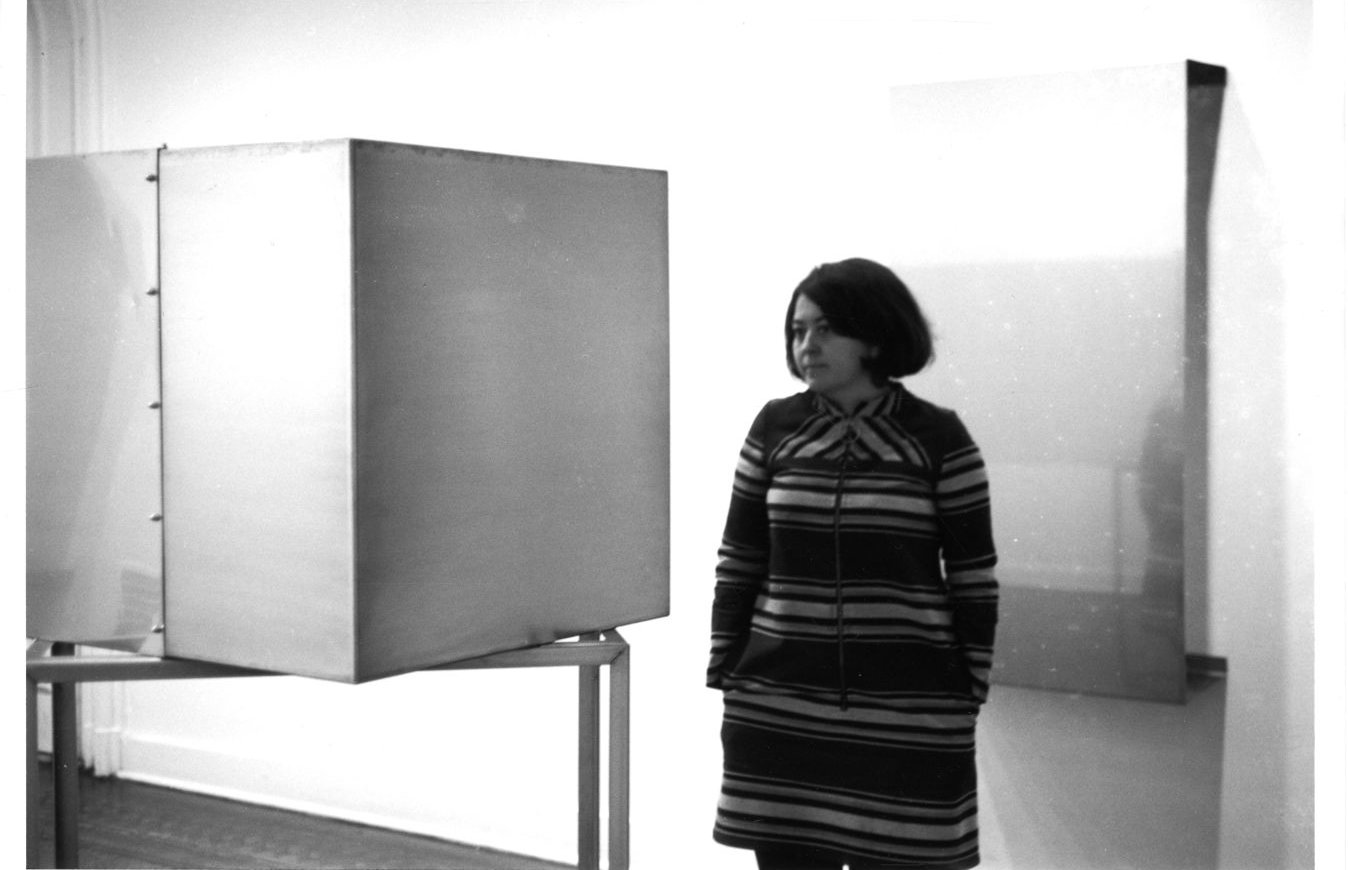
Joyce Wieland was a Canadian experimental filmmaker and mixed media artist. She first found success as a painter when she began her career in Toronto in the 1950s. In 1962, she moved to New York City and expanded her career as an artist by including new materials and mixed media work. During that time, she also rose to prominence as an experimental filmmaker and soon, institutions such as the Museum of Modern Art in New York were showing her films. In 1971, her True Patriot Love exhibition became the first solo exhibition by a living Canadian female artist at the National Gallery of Canada. In 1982, she was appointed an Officer of the Order of Canada, and in 1987, she received the Toronto Arts Foundation's Visual Arts Award. She was also a member of the Royal Canadian Academy of Arts. Her work explores themes of ecology, feminism, politics, and the rights of Indigenous peoples.
Explore
Read our dossier on the filmmaker
This restoration is part of the implementation of a measure in Quebec's Digital Cultural Plan.