Keeping silent cinema alive, by offering audiences a chance to rediscover films from the era with the accompaniment of talented pianists, is an essential component of the Cinémathèque's programming. As digital technology continues to invent new ways of creating images, it is more relevant than ever to remember how eloquent the images from the so-called silent era of film history truly were. It's fascinating to see how much these works and filmmakers contributed to modern cinema – not to mention that it is always a pleasure to return, for a few hours, to the era of images that speak for themselves.
Special screening as part of the Cinémathèque québécoise's 60th anniversary celebrations.
Accompanied by Gabriel Thibaudeau and Ilya Poletaev on piano and harpsichord
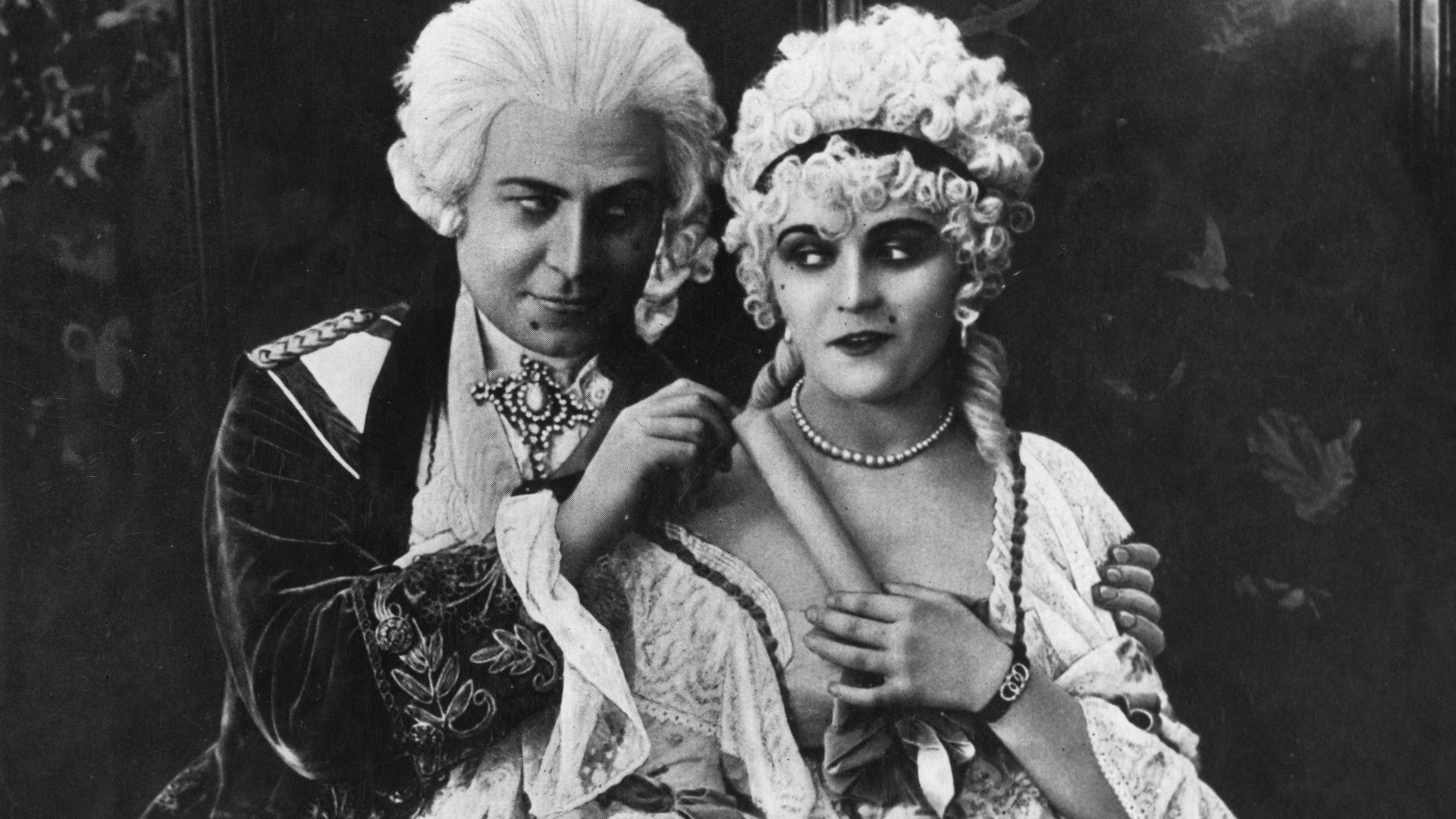
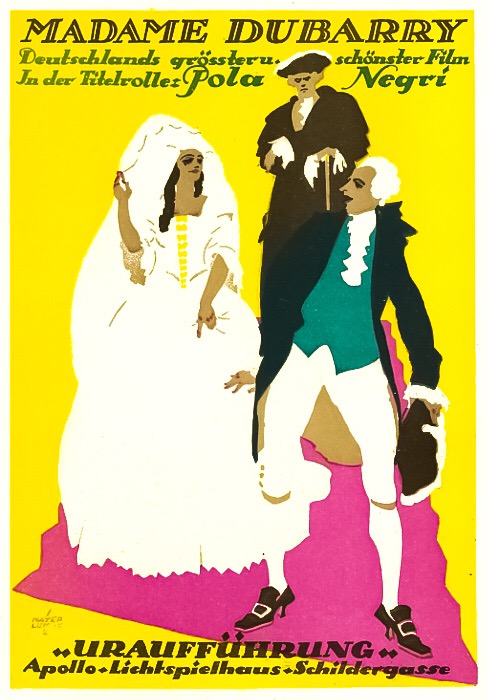
Shortly before the French Revolution, the irresistible rise of a dress designer, Jeanne Bécu, who uses her seductive charms to become Madame du Barry and mistress of Louis XV.
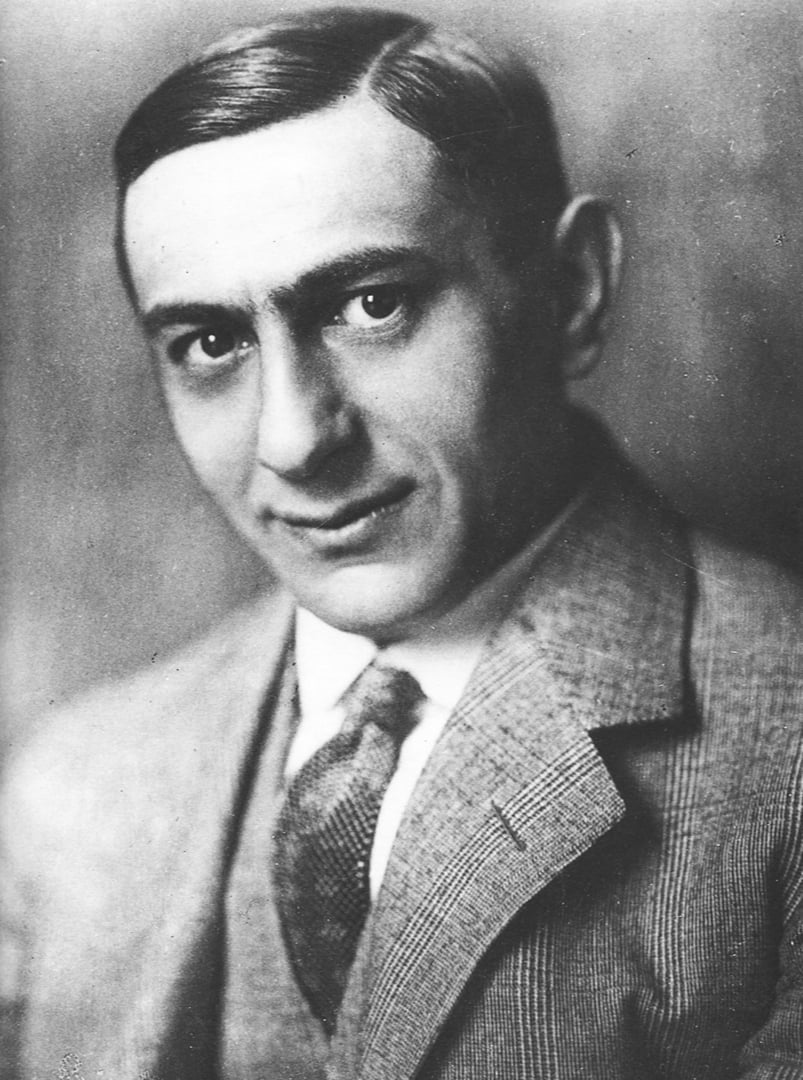
Ernst Lubitsch
Ernst Lubitsch was a German-born American film director who began his career as an actor. A prolific director, he made over fifty films in thirty years and left a mark on cinema history with his comedies, including Design for Living (1933), Ninotchka (1939), The Shop Around the Corner (1940), To Be or Not to Be (1942), and Heaven Can Wait (1943). Renowned for his mastery of ellipsis, anticipation, and surprise, Lubitsch stood apart from the expressionism of German cinema and the conventions of silent films. The celebrated Lubitsch Touch is defined by its elegant emotional restraint, creating a unique cinematic style where nothing feels overstated. It reflects an art of living, shaping the interactions between characters, as well as between the film and its audience. It also embodies his Jewish humor, offering a graceful resistance to the absurdities of human foolishness.
Explore
As part of the 60th anniversary of the Cinémathèque québécoise